
Blog
Stories, tips, and diving knowledge
Content for people discovering diving, and for those already part of this world.
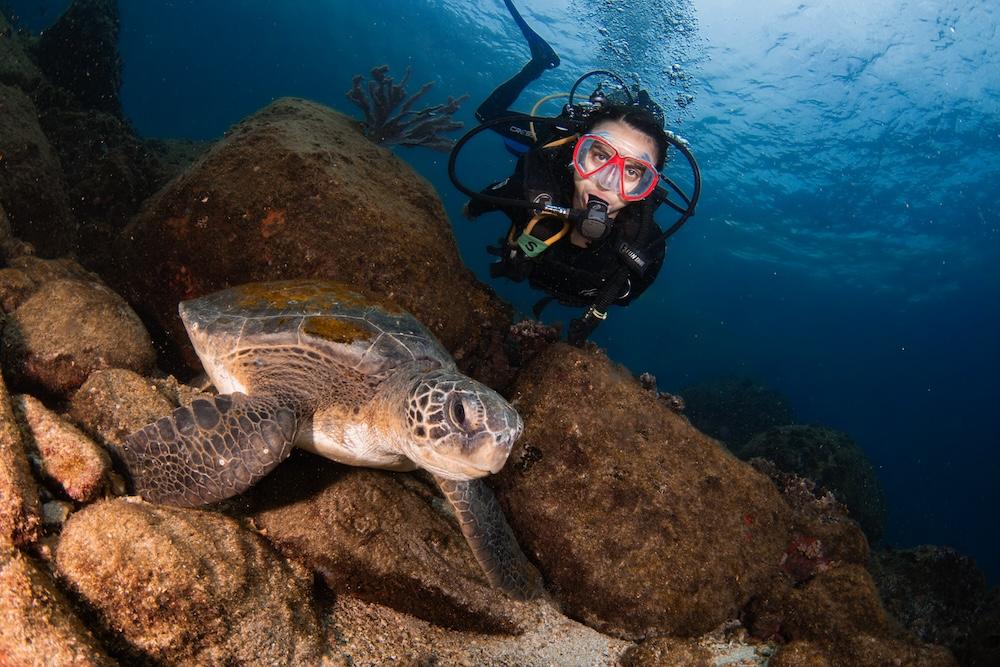
6 tips to improve your buoyancy while diving
Weighting, breathing, BCD use, trim, and practice: the adjustments that actually improve your buoyancy control, dive after dive.
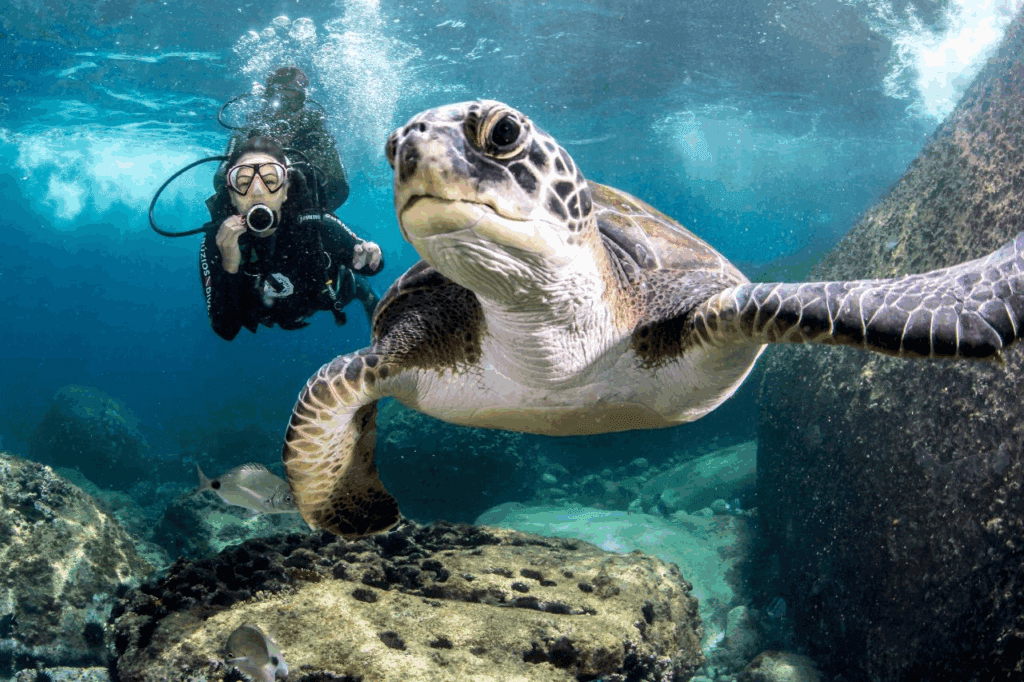
6 tips to improve your air consumption while diving
Buoyancy, breathing, body position, and relaxation: see what actually makes a difference in stretching your tank and extending your bottom time.
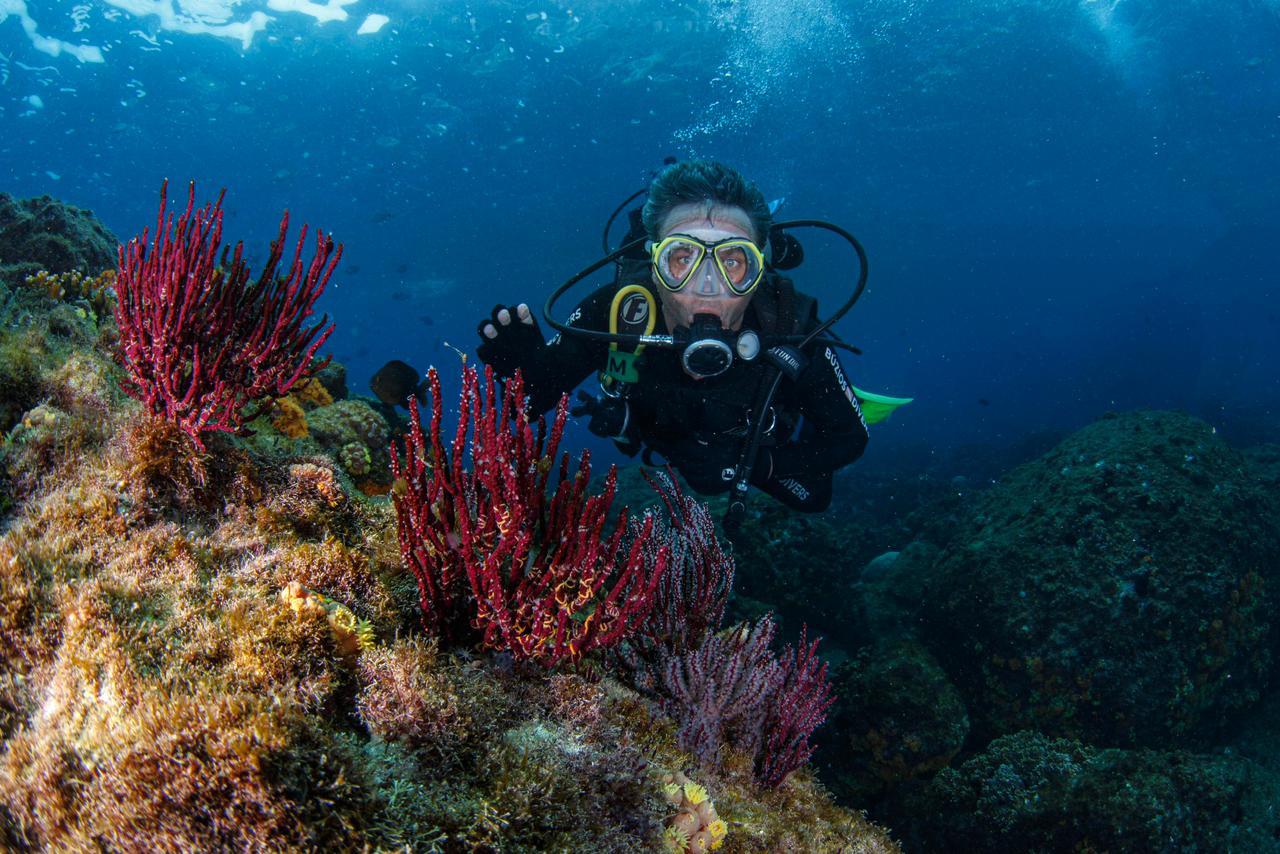
How long does the air in a scuba tank last?
The answer depends on depth: understand why the same tank lasts far longer in shallow water than deep, and how to estimate it realistically.
How much does a scuba diving course cost?
Understand the factors that make dive course prices vary so much from one place to another — and why the right answer depends on your specific case.
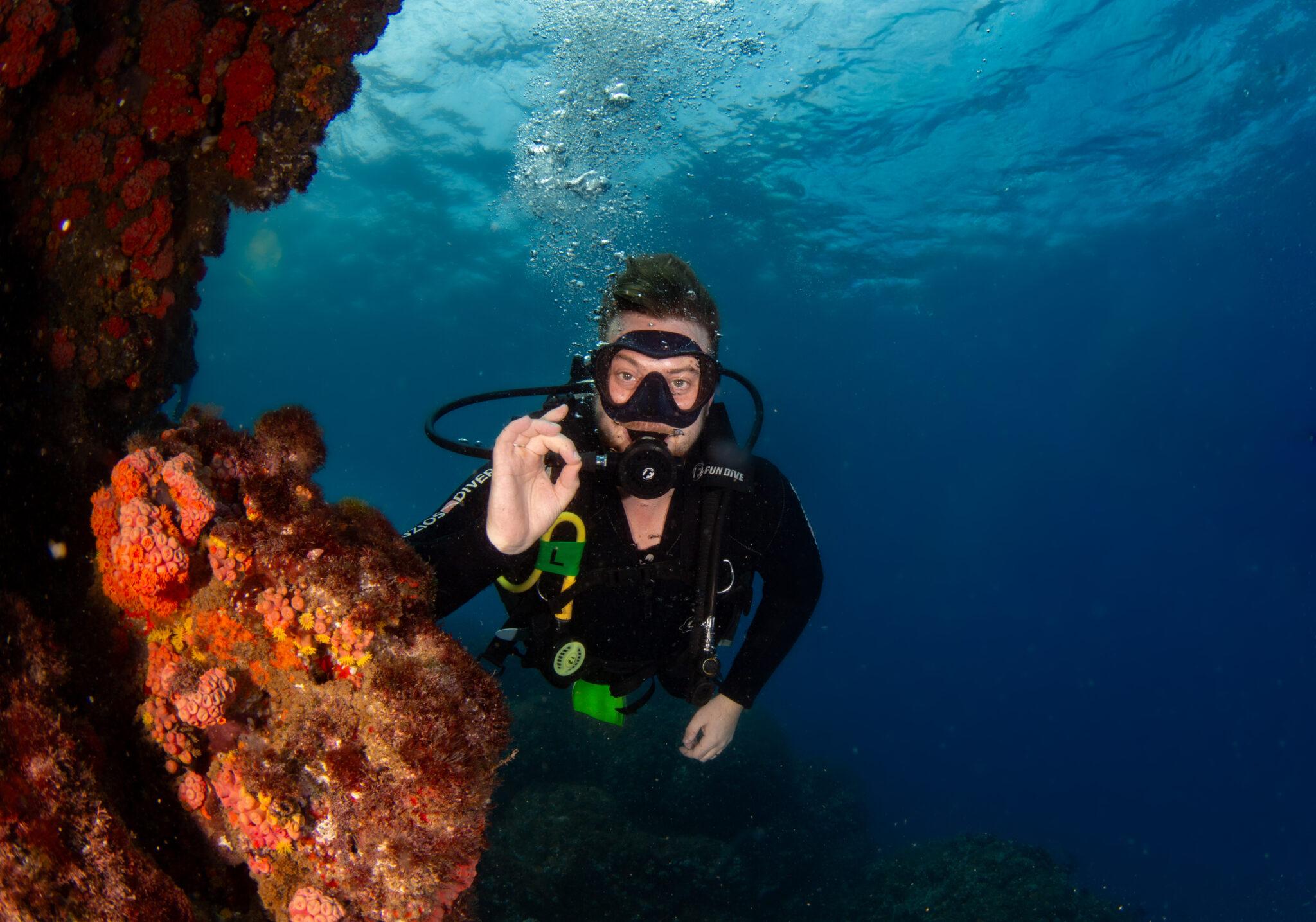
What are the scuba diving certifications?
From a try-dive to the Instructor level: understand the PADI certification ladder and where you can start climbing it.
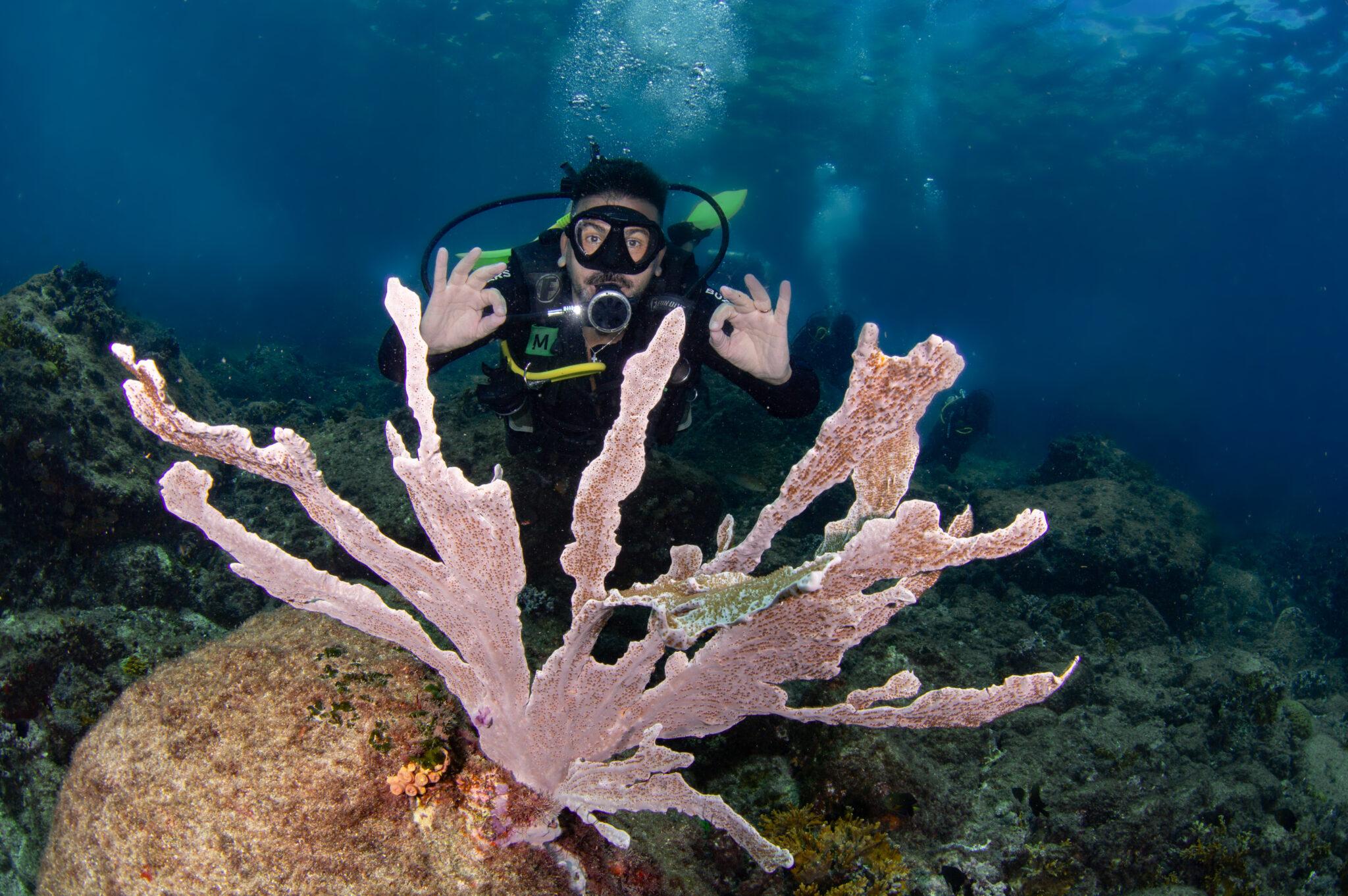
Can I go scuba diving wearing contact lenses?
Yes, you can dive wearing contact lenses — but there's one specific mask precaution every lens wearer should know before getting in the water.
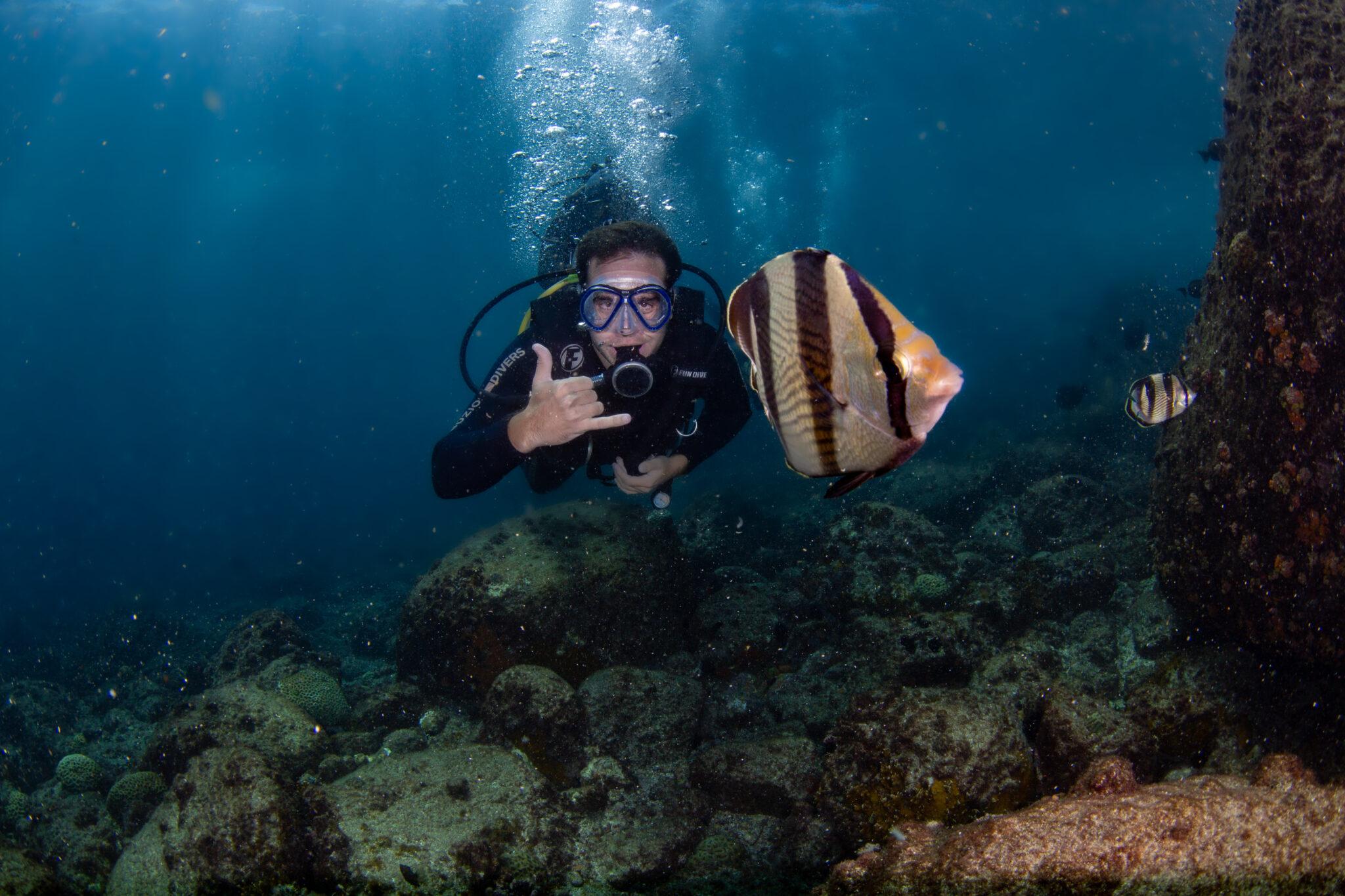
Is scuba diving safe?
An honest answer to the question we hear most from first-timers: yes, within your training and the safety rules — and you can try it with zero commitment.
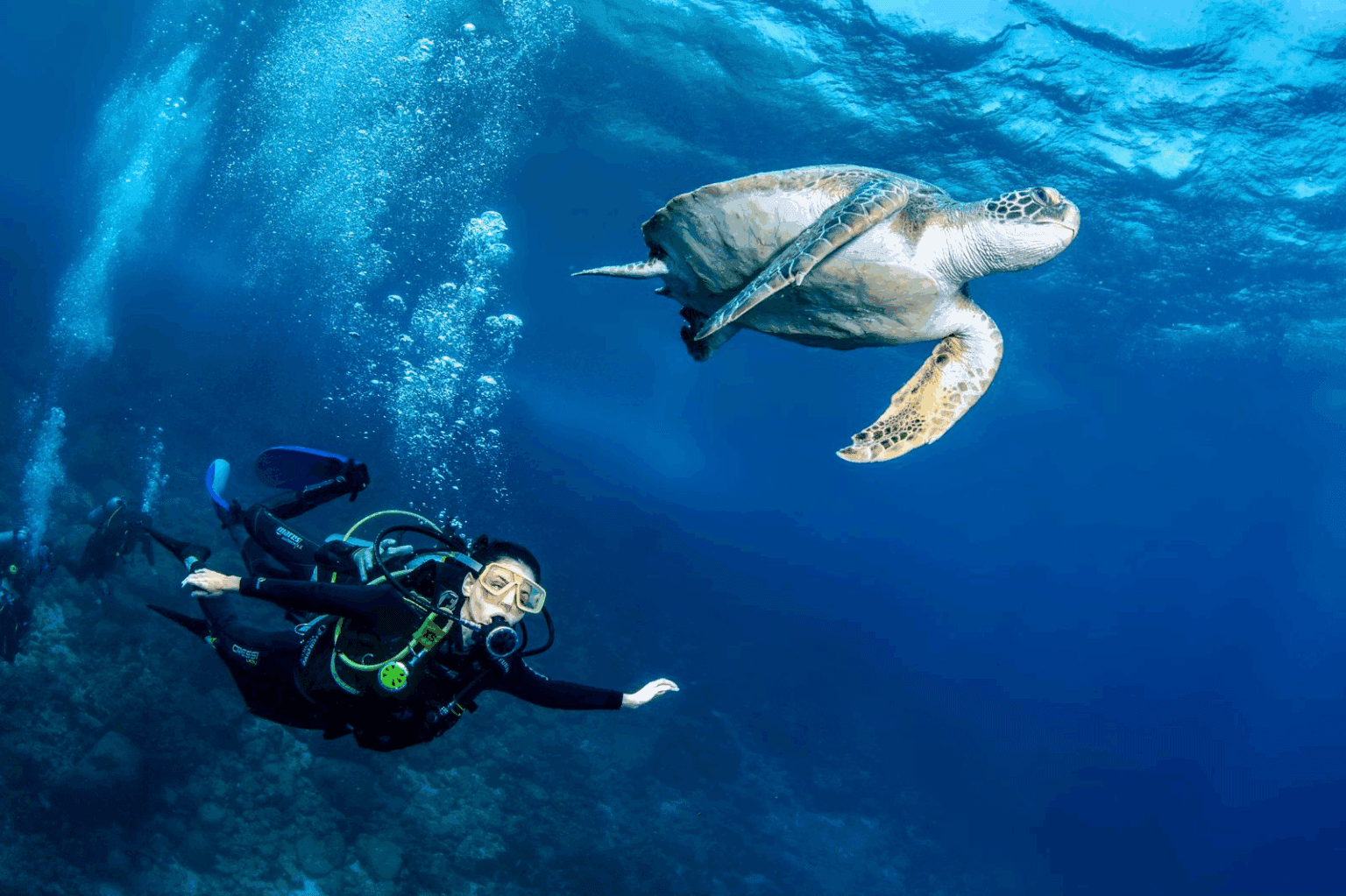
Why the pre-dive safety check matters
Meet BWRAF, the buddy check PADI teaches before every dive — and why even experienced instructors never skip it.
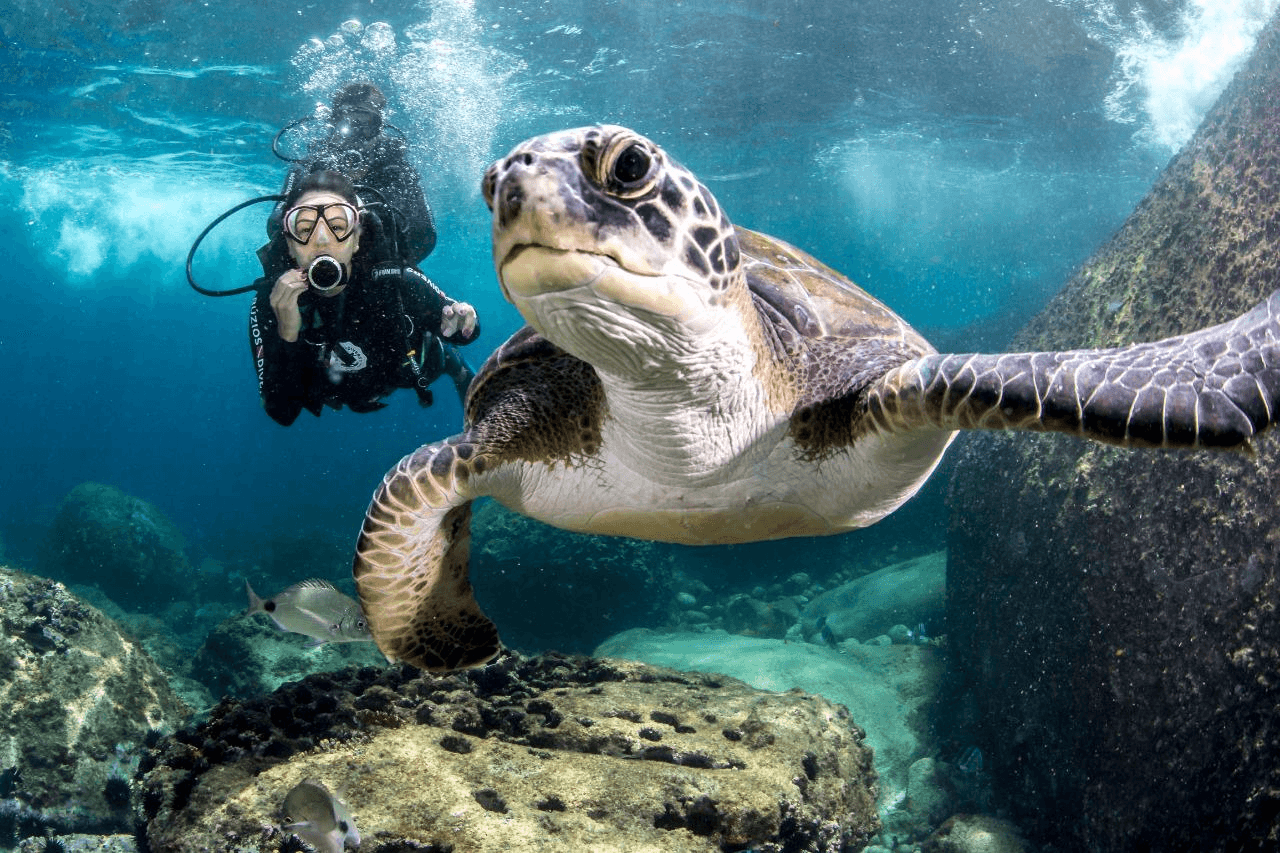
What does SCUBA stand for?
The quick answer to a question a lot of people have asked: where the word SCUBA comes from and what it actually means.
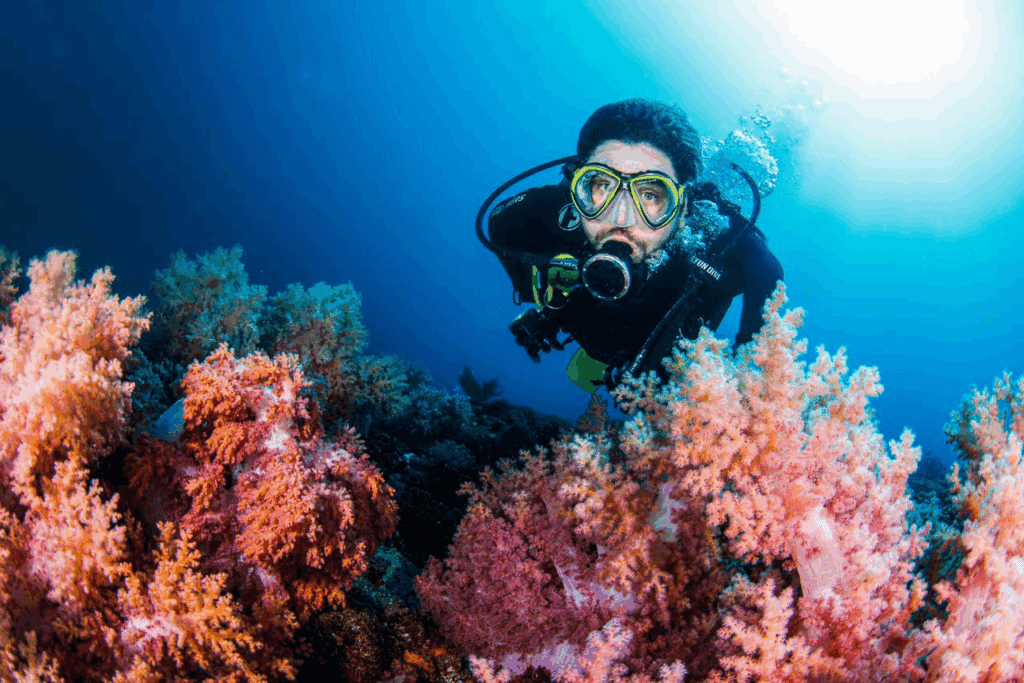
How many meters deep can you see marine life?
Understand how light behaves underwater, why colors fade with depth, and why the best dives happen in the ocean's 'living zone.'
Why can't you fly right after diving?
Understand why there's a minimum wait time before flying after diving — and what those intervals are, according to DAN and PADI.
Why dive with nitrox?
More bottom time, less fatigue, and a bigger safety margin: see who benefits most from nitrox and how to get certified.
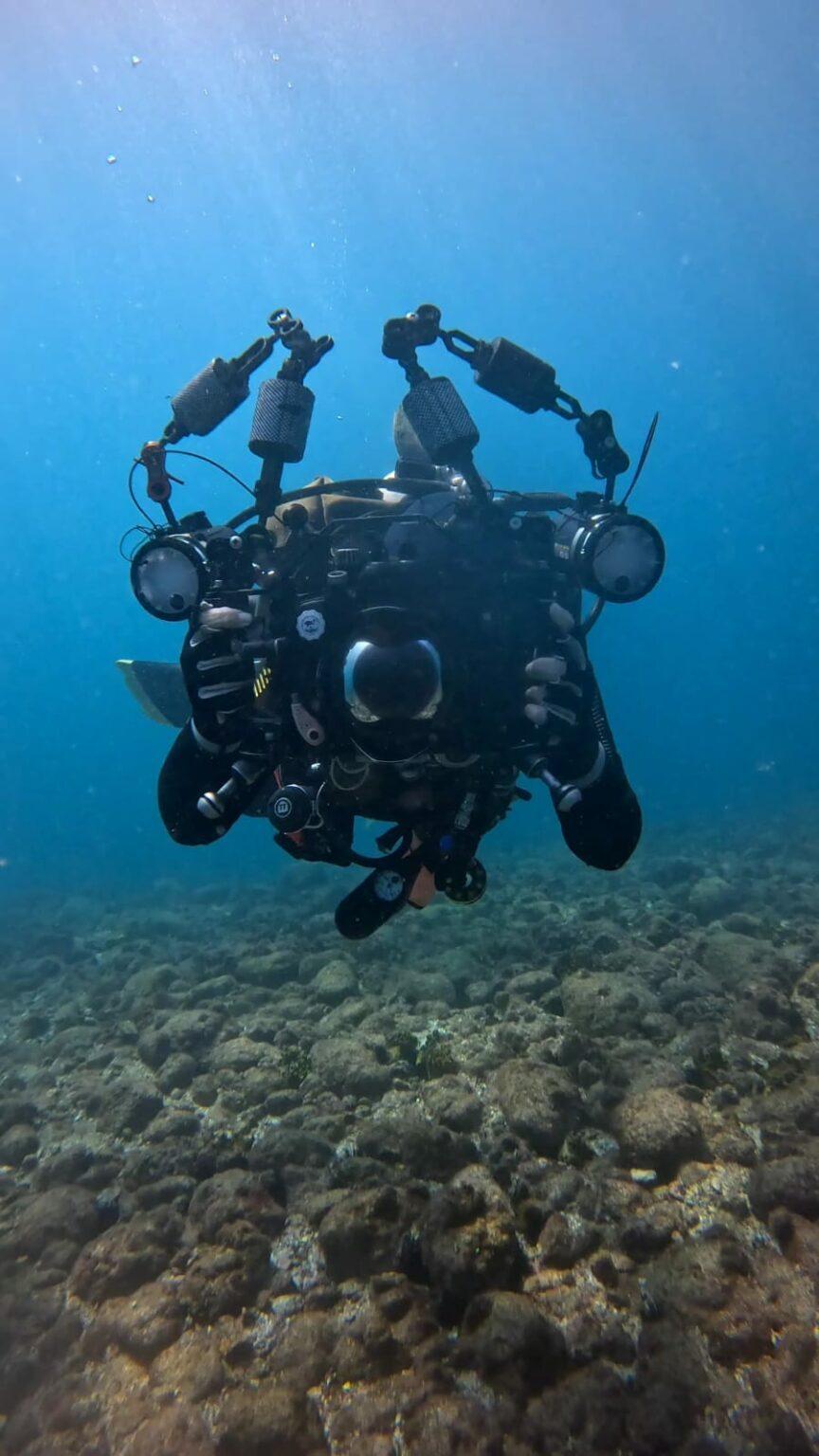
What is nitrox?
Understand what nitrox (enriched air) is, how it differs from regular air, and why it requires specific certification and care.
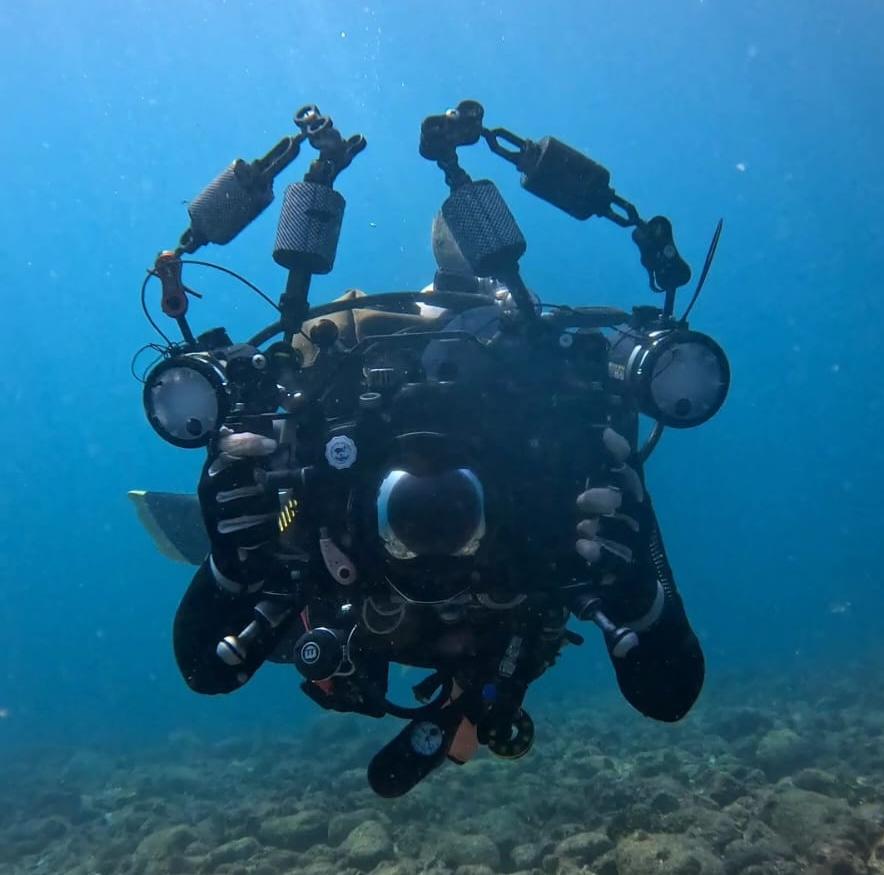
The different types of diving: free, scuba, technical, scientific, and commercial
From freediving to commercial diving, get to know the main types of diving that exist and what sets each one apart.
Health Conditions for Diving
Why the pre-dive health check exists: an overview of the main conditions covered by PADI/RSTC standards, and the reasoning behind each one.
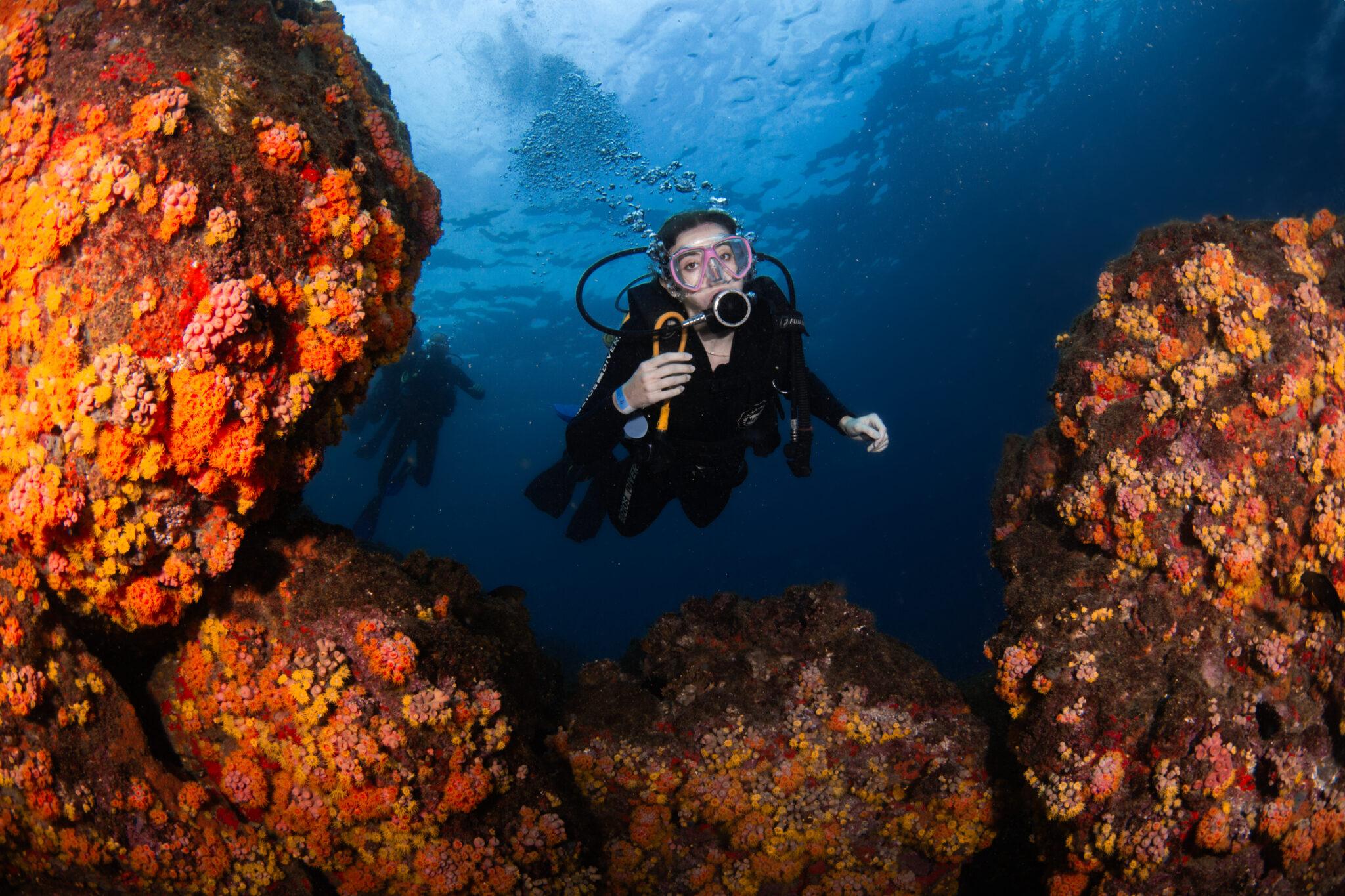
Why is Búzios a great diving destination?
Proximity, beach diversity, and an established diving community: the practical reasons behind Búzios' reputation among Brazilian divers.
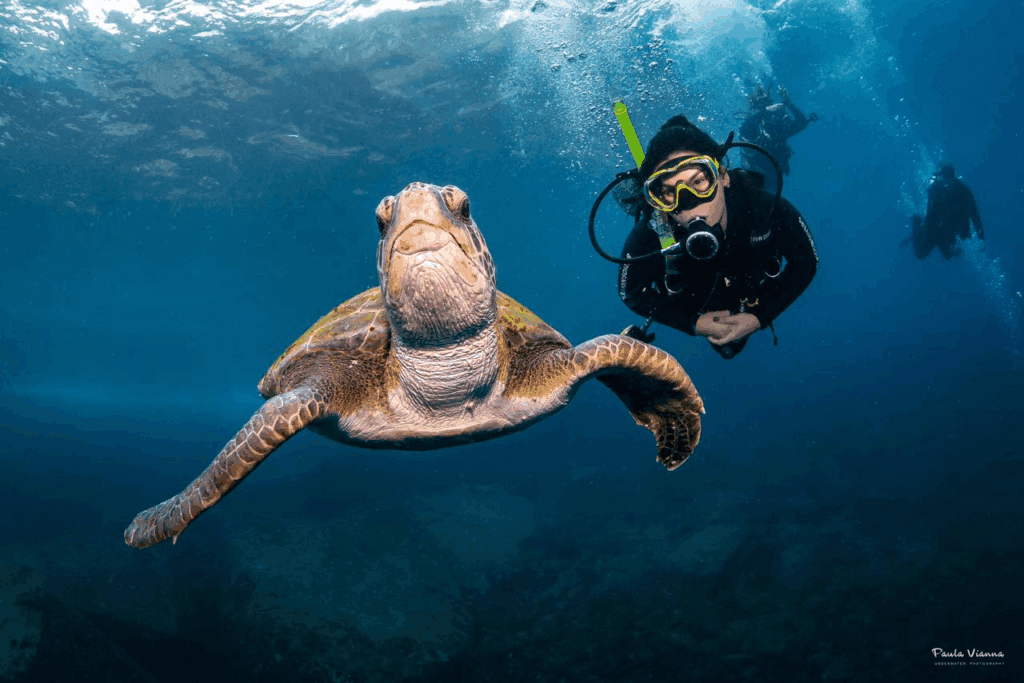
What is technical diving?
Diving beyond recreational limits: what defines technical diving, what gear it takes, and what the training path looks like.
Discover Scuba or Open Water: which is the right choice for you?
Two different entry points into the world of scuba diving. Understand the differences to choose with more clarity.
What's the difference between recreational and technical diving?
Understand the real differences between recreational and technical diving — depth, decompression stops, gear, and training.
Diving in Búzios: what to expect
An honest introduction to what makes Búzios such a sought-after diving destination — no exaggerated promises, just what's genuinely worth knowing before you go.
Why go on a night dive
The same dive site turns into a different world after sunset. Discover what makes night diving such a unique experience.
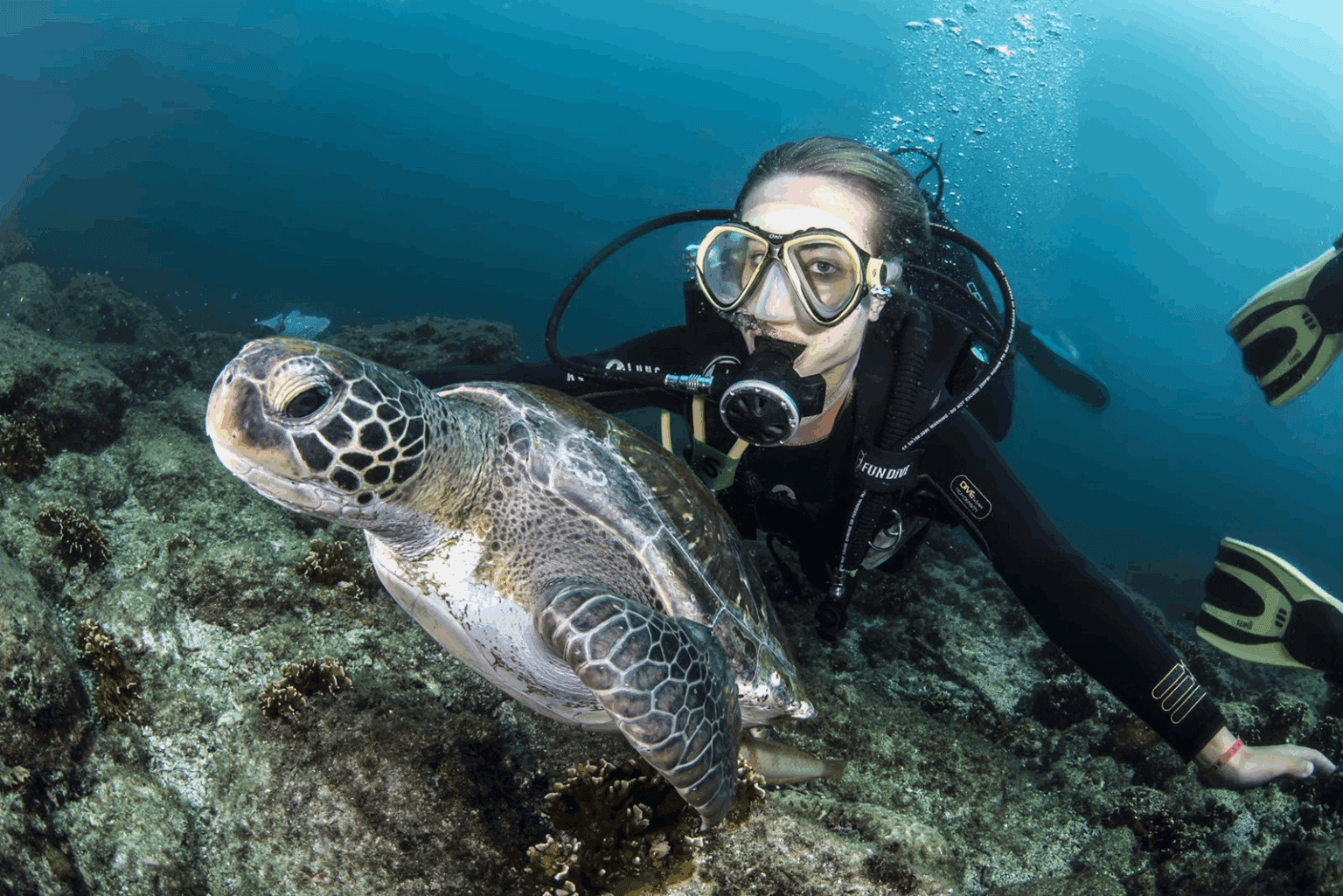
What you need to know before your first dive
Common questions from first-timers — health, fear, ears, glasses, and what actually matters before getting in the water.
How to choose a dive center
Not every dive operator is the same. Here are the criteria that actually matter when choosing where to dive.
How does a scuba dive actually work?
From the first briefing on the sand to the return to the boat: understand the step-by-step of a recreational dive, no mystery involved.
How to log your dives in the PADI app
Logging every dive is a simple habit that helps your progress, your memory, and future certifications. Here's where to start.
How to avoid seasickness on the boat
Simple, practical tips for arriving at the dive site feeling good, even if boats aren't your usual thing.
How divers communicate underwater
You can't talk underwater, but you can communicate very well — meet the standard hand signals used on every dive.
Why you should never touch marine life
'Look, don't touch' isn't just dive etiquette — it protects the animal, the reef, and you too.
Why sharks matter to the ocean
Sharks are often cast as villains of the sea, but they're a key piece in keeping reefs and marine life in balance.
The world's major coral reef systems
From the Great Barrier Reef to the Coral Triangle: get to know the planet's largest reef systems and why protecting them matters to every diver.
What to pack for a scuba diving trip
A practical packing checklist for a scuba diving trip: from your certification card to reef-safe sunscreen, item by item.
How to plan your first scuba diving trip
Choosing a destination, checking the season, booking a trustworthy dive center, and a few more practical steps to organize your first trip built around diving.
The best scuba diving destinations in the world
A quick tour of the world's most legendary dive destinations: the Red Sea, Raja Ampat, the Great Barrier Reef, the Maldives, the Galápagos, and Palau.
The best scuba diving destinations in South America
From the Galápagos to Malpelo, by way of Coiba and the Brazilian coast: an overview of South America's most legendary dive destinations.
The best scuba diving destinations in Brazil
From Fernando de Noronha to Bonito, by way of Búzios, Arraial do Cabo, and Abrolhos: an overview of Brazil's best-known dive destinations and what makes each one special.
The best dive sites in Rio de Janeiro state
Beyond Búzios, the coast of Rio de Janeiro state offers dive sites like Arraial do Cabo, Cabo Frio, and Ilha Grande — each with its own water, scenery, and diving style.
A 7-day itinerary for Búzios
A full week in Búzios: plenty of time for PADI Open Water certification, beach days, a regional day trip, and good nights on Rua das Pedras.
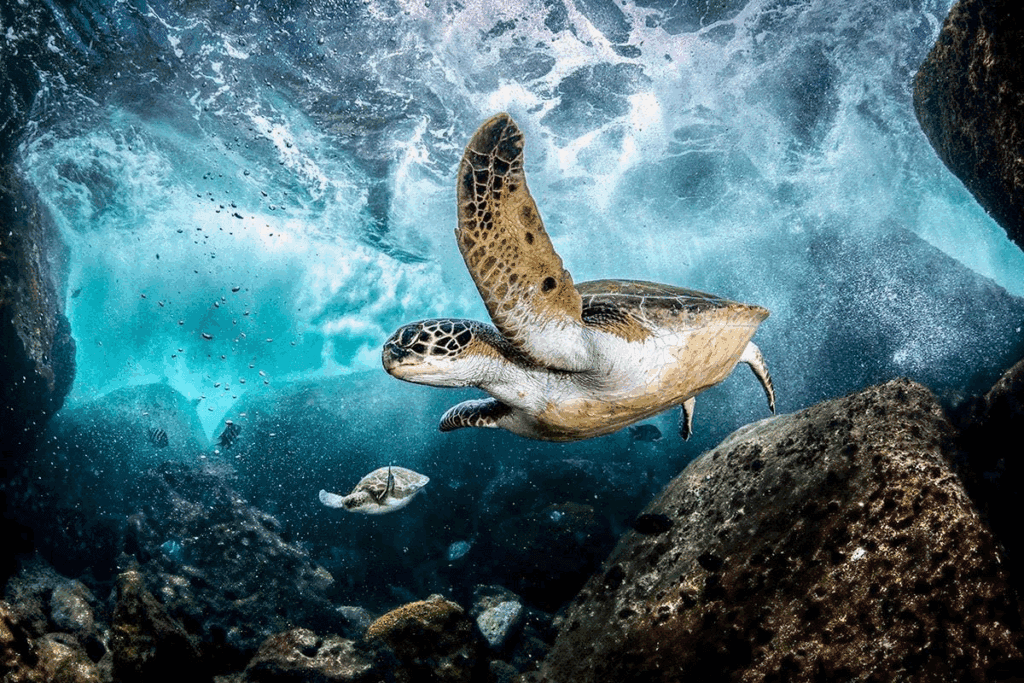
A 5-day itinerary for Búzios
A 5-day Búzios itinerary with enough room to complete the PADI Open Water course at a relaxed pace, mixed in with beach days and rest.
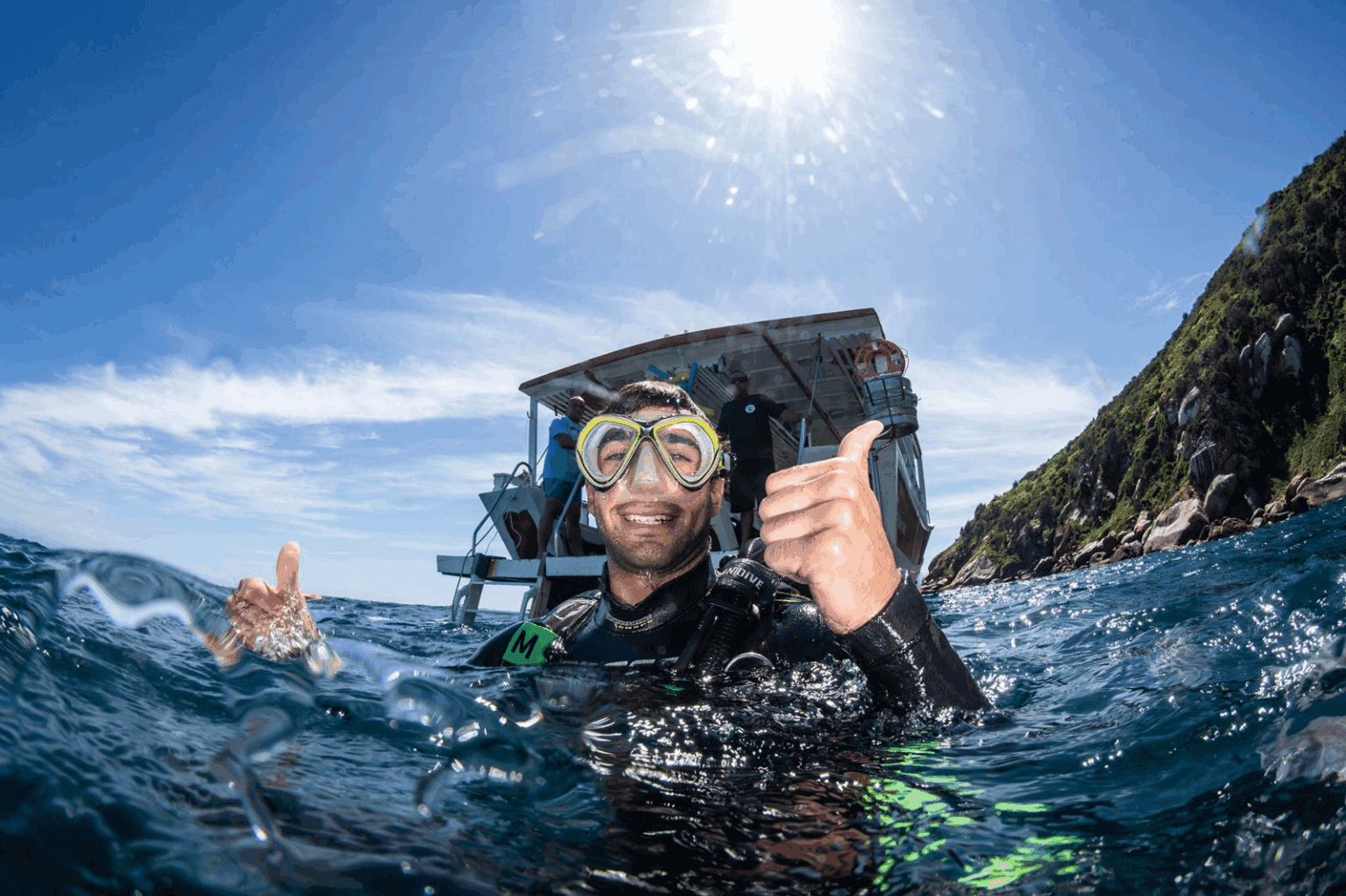
A 3-day itinerary for Búzios
A day-by-day 3-day Búzios itinerary, with room for two dives, a mix of beaches, and an unhurried evening or two on Rua das Pedras.
A 1-weekend itinerary for Búzios
A tight Friday-to-Sunday itinerary for anyone with just one weekend in Búzios: one beach, one dive, one night on Rua das Pedras.
Where to stay in Búzios: a guide by region and travel style
Búzios' neighborhoods each have a distinct personality — a guide to choosing where to stay based on the kind of trip you want to have.
The best restaurants in Búzios: a guide by style and neighborhood
Búzios has a surprisingly rich food scene for its size — a guide by style and neighborhood, without betting on 'best restaurant' rankings.
The best beaches in Búzios
Búzios has more than twenty beaches, each with its own character — a quick guide by vibe, from calm family waters to surf and diving spots.
How to prepare for a dive at Ilha da Âncora
Ilha da Âncora is one of the region's most sought-after sites, known as a turtle sanctuary — here's how to arrive ready to make the most of it.
The best dive sites in Búzios
A tour through the main dive sites around Búzios — what to expect in terms of visibility, marine life, and difficulty at each one.
The first female diver in history
The legendary story of a diver during the Persian Wars, in the 5th century BC — one of the earliest Western records linking diving to acts of courage.
What was the Aqua-Lung, and how it changed diving
The first practical self-contained diving system in history, created in 1943 by Cousteau and Gagnan — and how it gave rise to modern recreational diving.
Émile Gagnan: the genius behind the dive regulator
The French engineer behind the demand valve that made the Aqua-Lung possible — an invention still at the heart of every dive regulator used today.
Jacques Cousteau: the pioneer of scuba diving
How a French naval officer with a passion for the ocean helped invent the Aqua-Lung and forever changed the way the world dives and sees the seas.
The history of scuba diving
From the earliest freedivers to diving bells, helmet suits, and the 1943 Aqua-Lung — the centuries-long journey that gave rise to modern scuba diving.
The history of the major scuba diving certification agencies
Where PADI, NAUI, CMAS, and SSI come from — the origin of the certification agencies that still shape how the world learns to dive.
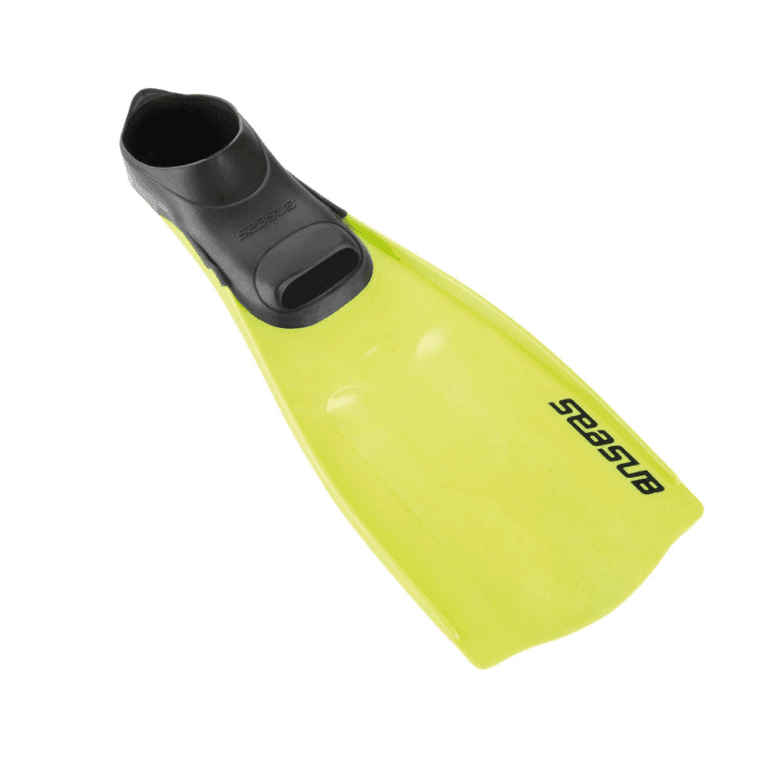
Why owning your own scuba diving gear is worth it
Buy or keep renting? See how fit, hygiene, familiarity, and buoyancy factor into the decision — and when renting is still the smarter call.
How a scuba diving regulator works
From tank to mouthpiece: understand the two-stage mechanism that turns compressed air into natural breathing underwater.
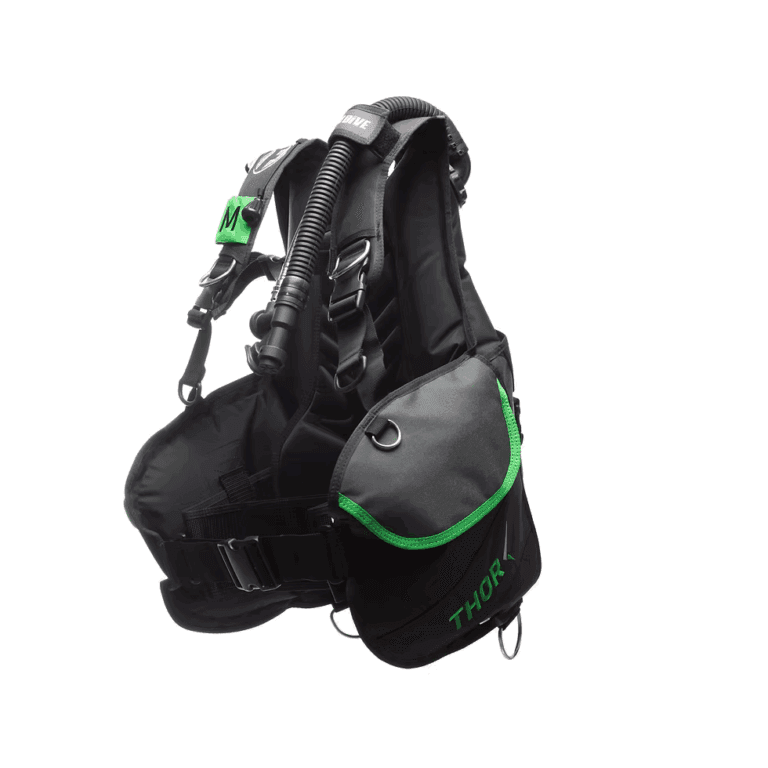
How to choose a buoyancy control device (BCD)
Jacket, wing, or hybrid, lift capacity, and integrated weights: a guide to choosing the right BCD for your diving style.
How to take care of your scuba diving gear
A piece-by-piece guide — regulator, wetsuit, fins, mask, tank, and computer — to keep your gear lasting longer and working better.
How to choose a dive computer
Display, algorithm, nitrox, battery, and connectivity: a guide to understanding dive computer differences before you buy one.
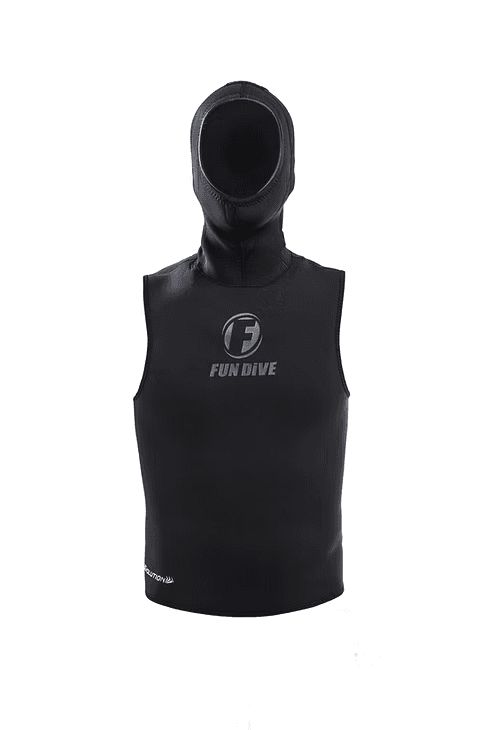
How to choose the right wetsuit for diving
Thickness, suit type, material, and zipper placement: what to consider to pick the right wetsuit for the water you dive in.
How to choose the right scuba diving regulator
First stage, second stage, balanced or not: a straightforward guide to what to consider before choosing your regulator.
How to choose the right scuba diving fins
Open heel or full foot, stiff or flexible blade, long or short: understand the differences before choosing your fins.
How to choose the right scuba diving mask
Seal, silicone skirt, field of view, and lenses: what actually matters when choosing — or buying — your dive mask.