
The world's major coral reef systems
From the Great Barrier Reef to the Coral Triangle: get to know the planet's largest reef systems and why protecting them matters to every diver.
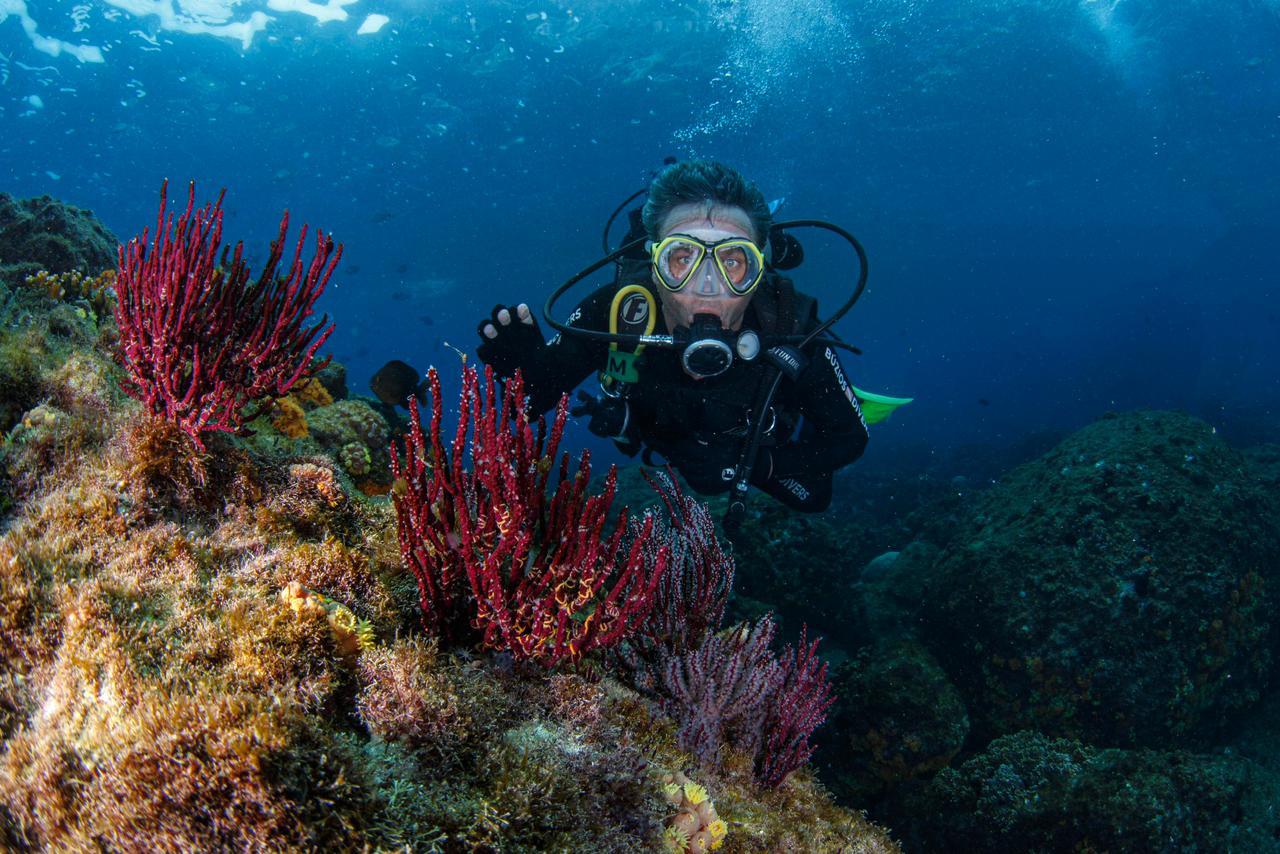
The world's coral reefs are structures built over thousands of years by tiny organisms — coral polyps — and, despite covering less than 1% of the ocean floor, they're home to roughly a quarter of all known marine life. For divers, knowing the planet's major reef systems helps put into perspective the scale and importance of what you see underwater.
The Great Barrier Reef, in Australia, is the largest in the world: more than 2,300 km along Australia's northeast coast, made up of nearly 3,000 individual reefs and hundreds of islands. It's so large it's visible from space, and it holds a biodiversity that includes thousands of species of fish, mollusks, and other marine organisms.
Second in size is the Mesoamerican Reef System, stretching over a thousand kilometers along the coasts of Belize, Mexico, Honduras, and Guatemala in the Caribbean Sea. It's the largest reef system in the Western Hemisphere and one of the region's most sought-after dive destinations, with warm water and generous visibility for much of the year.
The Red Sea, between Egypt and the Arabian Peninsula, hosts a coral reef system considered unusually resilient to rising water temperatures, which has drawn scientific interest in the mechanisms that let these corals tolerate warmer water than corals in most other parts of the world can withstand.
The New Caledonia Barrier Reef, in the South Pacific, is the world's second-largest double-barrier reef system and a UNESCO World Heritage site, recognized for the diversity of its reef structures and the relative preservation of its waters, which see less mass tourism than other destinations.
Finally, the so-called Coral Triangle — a region spanning waters off Indonesia, the Philippines, Malaysia, Timor-Leste, Papua New Guinea, and the Solomon Islands — is considered by the scientific community to be the global epicenter of reef marine biodiversity, holding the greatest variety of coral and reef fish species found in any single region on Earth.
These systems now face a common threat: ocean warming, which can trigger coral bleaching — a process where coral expels the algae it lives with symbiotically and depends on for food and color, becoming more vulnerable to disease and potentially dying if the thermal stress continues. Mass bleaching events have already affected parts of the Great Barrier Reef and other systems in recent decades.
That's why responsible diving practices — keeping your distance and good buoyancy control so you don't touch coral, using reef-safe sunscreen, and respecting the limits of protected areas — go beyond good manners and become an active part of conserving these ecosystems. Every diver who moves carefully through a reef helps keep these structures standing for the next generation of divers.
You might also like
The best scuba diving destinations in the world
A quick tour of the world's most legendary dive destinations: the Red Sea, Raja Ampat, the Great Barrier Reef, the Maldives, the Galápagos, and Palau.
Why you should never touch marine life
'Look, don't touch' isn't just dive etiquette — it protects the animal, the reef, and you too.
Why sharks matter to the ocean
Sharks are often cast as villains of the sea, but they're a key piece in keeping reefs and marine life in balance.