
What is technical diving?
Diving beyond recreational limits: what defines technical diving, what gear it takes, and what the training path looks like.
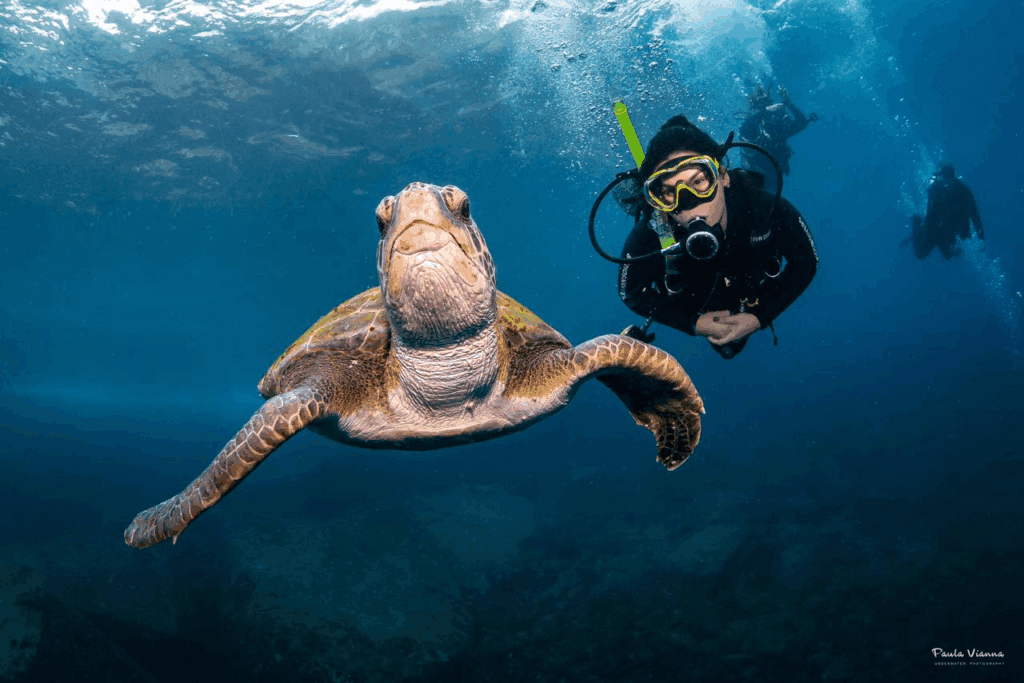
Technical diving is the term used for scuba diving that goes beyond the limits of recreational diving. A dive counts as technical when it goes beyond 40 meters (130 feet) and/or involves planned decompression stops — in other words, situations where the diver can't simply end the dive and go straight to the surface at any point.
That definition usually also covers dives in overhead environments, like the inside of large wrecks or submerged cave systems, where the surface isn't physically reachable in a direct line. In all of these cases, the level of planning, equipment redundancy, and safety margin needs to be far higher than on an ordinary recreational dive.
Gear used in technical diving is more robust and redundant. Divers commonly use twin tanks (doubles) as their main gas source, plus extra cylinders — called stage or deco cylinders — carried on the side and dedicated to specific mixes for the decompression stops. Rebreathers, which recycle part of the exhaled gas, are also used by many technical divers to make gas last longer on extended dives.
Beyond regular compressed air, technical diving often uses gas mixes like nitrox (with more oxygen) and trimix (which adds helium to reduce narcosis and oxygen toxicity risk at greater depths). Each mix is chosen according to the planned depth and the phase of the dive — descent, bottom time, or decompression.
More than the gear, technical diving demands a different mindset: detailed planning of every dive before getting in the water, gas and decompression calculations, strict safety protocols, and team discipline. There's no room for improvising — every stage of the dive is defined ahead of time.
The path into technical diving almost always runs through a solid recreational foundation first. After certifications like Advanced Open Water and Rescue Diver, and after building up real experience across different conditions, a diver can pursue introductory technical courses — like PADI TecRec or equivalent programs from agencies like TDI — which progressively teach mixed-gas use, decompression procedures, and, further along, wreck or cave diving.
It's worth noting that technical diving isn't the natural next step for everyone — it's a specific path, for divers looking to explore deep wrecks, caves, or greater depths after already building solid recreational experience. For most divers, including everyone diving with us here in Búzios, the recreational limits already deliver a lifetime of great dives and great stories.
You might also like
What's the difference between recreational and technical diving?
Understand the real differences between recreational and technical diving — depth, decompression stops, gear, and training.
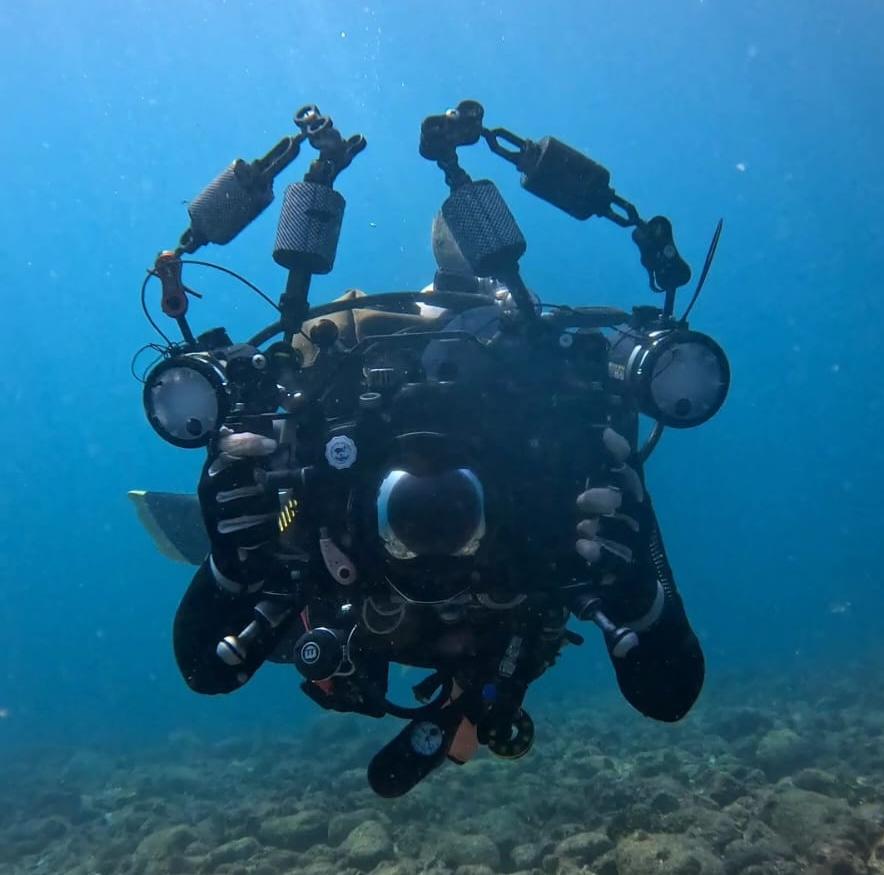
The different types of diving: free, scuba, technical, scientific, and commercial
From freediving to commercial diving, get to know the main types of diving that exist and what sets each one apart.
What are the scuba diving certifications?
From a try-dive to the Instructor level: understand the PADI certification ladder and where you can start climbing it.