
6 tips to improve your buoyancy while diving
Weighting, breathing, BCD use, trim, and practice: the adjustments that actually improve your buoyancy control, dive after dive.
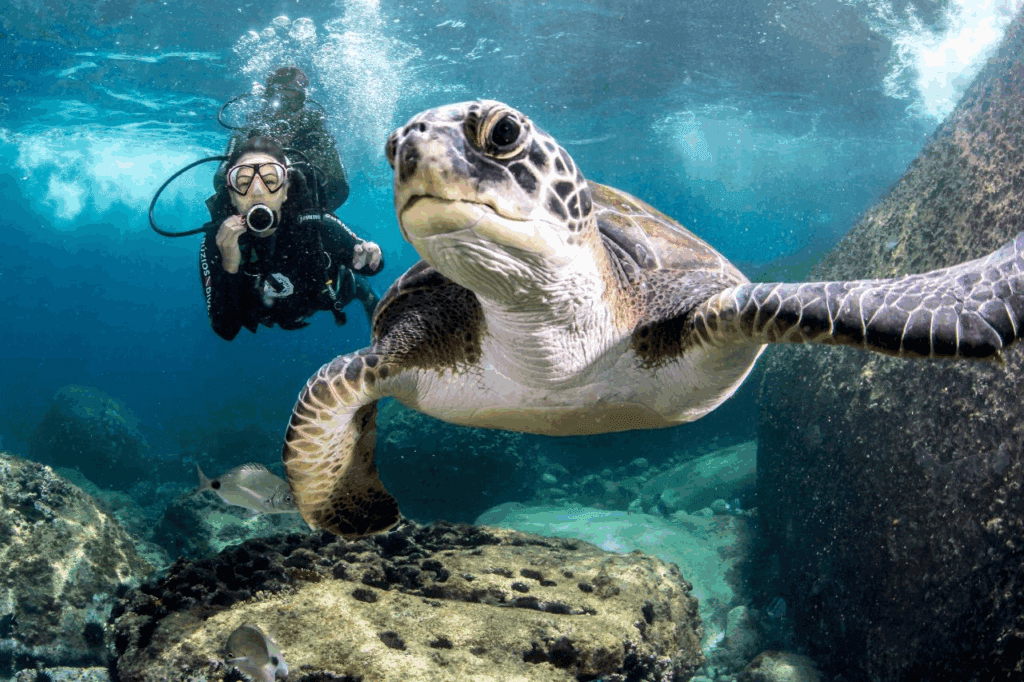
Buoyancy is one of the most important skills in scuba diving — maybe the most important one after breathing correctly. A diver with good buoyancy control swims with less effort, uses less air, avoids unwanted contact with coral and the seafloor, and simply enjoys the dive more. The good news is that, like any other skill, it improves with practice and a few targeted adjustments. Here are six tips to help you improve.
1. Proper Weighting
It all starts with weighting. Many beginner divers carry too much weight, which makes it hard to stay neutrally buoyant and forces them to keep inflating the BCD to compensate. The goal is to use the minimum weight needed to descend while still being able to hold a safety stop with a nearly empty tank — a simple weight check, done with the BCD lightly inflated and a full tank, is floating with the water near eye level once you exhale fully.
2. Calm, Steady Breathing
Breathing is the second key piece, and maybe the most subtle one. Slow, deep breaths, never held, allow for small, fine buoyancy adjustments: breathing in a little more makes you rise slightly, and a longer exhale helps you sink or settle. Holding your breath to try to lock in your buoyancy is a dangerous practice and should always be avoided.
3. Mindful BCD Use
The BCD comes in for the bigger adjustments, not to compensate for irregular breathing. The trick is to add or release air in small bursts, waiting for the effect of each one before adding more — inflating too much at once usually causes a sudden, hard-to-control rise or drop.
4. Trim and Horizontal Position
Body position, or trim, matters directly too. Staying horizontal in the water, with tank and weights well distributed, reduces drag and stops you from tipping head-down or feet-down — an unbalanced position forces you to keep swimming just to hold the right depth, which wastes energy and air.
5. Hovering Practice
Like any motor skill, buoyancy improves with practice. Hovering drills — staying still, suspended in the water, without touching the bottom or moving — do a lot to sharpen that body awareness. For divers who want to go further, PADI offers the Peak Performance Buoyancy specialty course, built specifically around refining these fine adjustments.
6. Staying Relaxed Underwater
Relaxation matters more than it might seem, too. Anxiety and tension lead to jerky movements and irregular breathing, which throws buoyancy off even for someone who already knows the theory. That calm tends to come naturally with experience, dive after dive.
It's worth noting that buoyancy and air consumption are directly linked — we've covered that in more detail in another article with tips to improve air consumption while diving, but the short version is: the less effort a diver spends fighting their own buoyancy, the less air they use.
Like any diving skill, buoyancy isn't learned all at once — it gets refined dive after dive, with attention to weighting, breathing, and body position. At Búzios Divers, our instructors track that progress closely during courses and dive trips, with specific feedback for each diver.
You might also like
6 tips to improve your air consumption while diving
Buoyancy, breathing, body position, and relaxation: see what actually makes a difference in stretching your tank and extending your bottom time.
What you need to know before your first dive
Common questions from first-timers — health, fear, ears, glasses, and what actually matters before getting in the water.
How does a scuba dive actually work?
From the first briefing on the sand to the return to the boat: understand the step-by-step of a recreational dive, no mystery involved.