
Why sharks matter to the ocean
Sharks are often cast as villains of the sea, but they're a key piece in keeping reefs and marine life in balance.
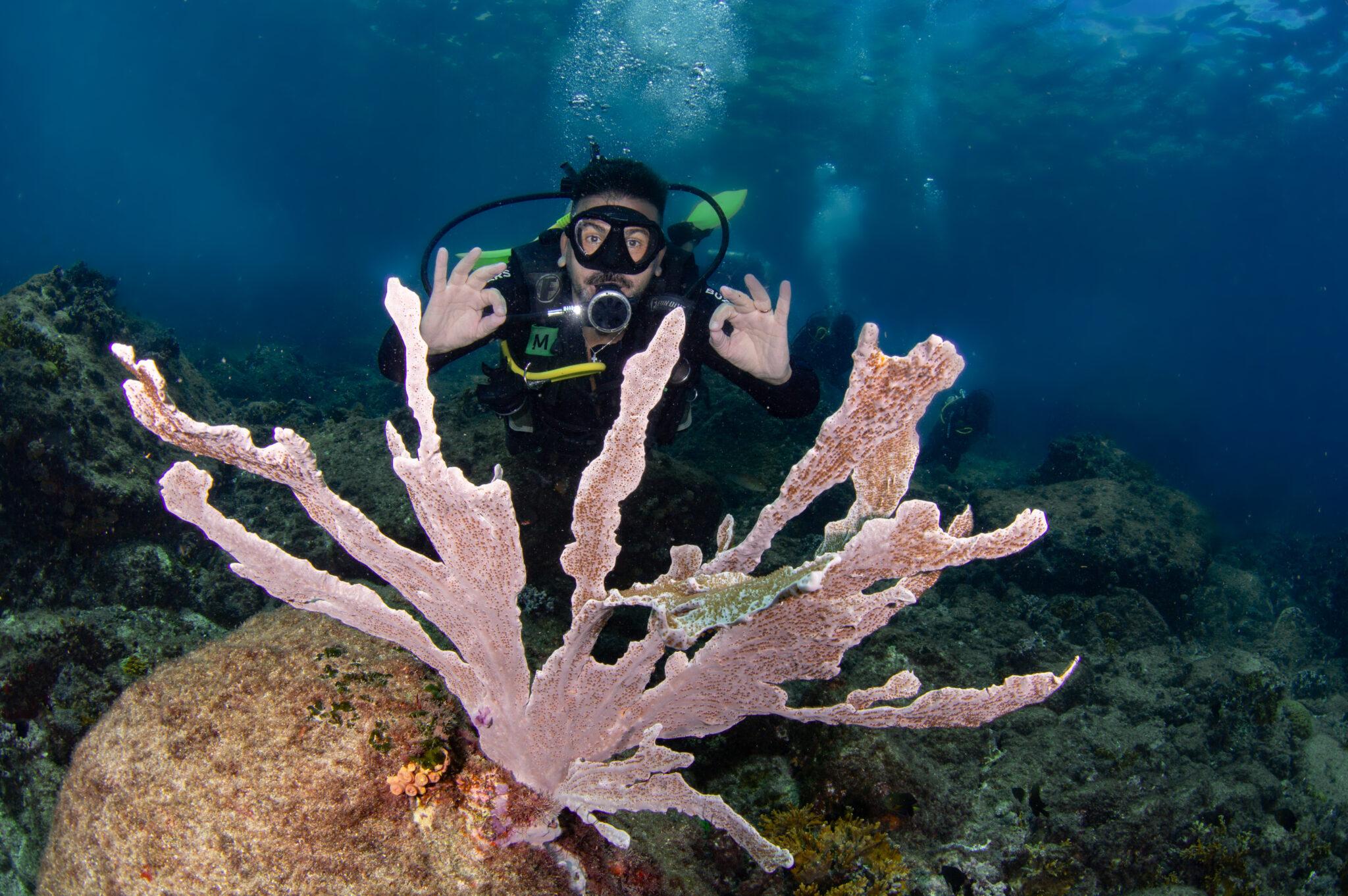
Sharks matter to the ocean far more than their reputation as villains of the sea would suggest. They're apex predators — they sit at the top of the marine food chain and play a role no other animal fills in quite the same way. For anyone diving in destinations like Búzios, where marine life is rich and varied, understanding that role changes how you see the whole ecosystem.
As top predators, sharks keep other species' populations in check, preventing certain fish from multiplying unchecked and depleting resources like algae and coral. They tend to prey mainly on weaker, sick, or injured individuals, which acts as a form of natural selection — it strengthens fish populations over time and makes the ecosystem more resilient to disease and environmental change.
That effect goes beyond direct predation. Just the presence of sharks changes how other species behave — herbivorous fish, for instance, avoid lingering too long in areas with more shark activity, giving certain parts of the reef a chance to regenerate. Marine biologists call this the 'landscape of fear,' and it helps maintain a more diverse mosaic of habitats, benefiting coral, invertebrates, and fish of every size. Without that pressure, the system tends to lose balance, with specific species growing unchecked while overall biodiversity drops.
Despite that ecological role, sharks face serious threats, most of them human-caused. Overfishing, accidental capture in fishing nets (bycatch), destruction of coastal habitats, and the illegal fin trade (finning) are among the main factors pushing several species toward risk. Because many sharks grow slowly and have few offspring over their lifetime, their populations take a long time to recover after sharp declines.
A decline in shark populations doesn't stay contained to sharks alone — the effect ripples through the rest of the ecosystem, potentially affecting coral reef health, local artisanal fishing, and even water quality in coastal areas. That's why protecting sharks is, in practice, often treated as protecting the ocean as a whole.
Divers and coastal visitors also have a role to play in this story. Choosing dive operators that follow good environmental practices, never touching or feeding marine life during a dive, keeping a respectful distance from any animal, and supporting serious conservation and research initiatives are simple habits that add up over time.
For most divers, spotting a shark during a dive tends to be one of the most memorable moments of the experience — not a reason for panic. In practice, shark encounters on recreational dives are usually calm: the animal generally keeps its distance and goes on its way, curious in its own manner but with no interest in interacting with people.
At the end of the day, sharks are far more guardians than threats to the ocean. The health of reefs, the diversity of marine life, and even the sustainability of dive tourism in regions like Búzios all depend, to some extent, on their presence. Diving with respect and curiosity is a simple way to acknowledge that role — and to help make sure future generations get to be amazed by these animals too.
You might also like
Why you should never touch marine life
'Look, don't touch' isn't just dive etiquette — it protects the animal, the reef, and you too.
The world's major coral reef systems
From the Great Barrier Reef to the Coral Triangle: get to know the planet's largest reef systems and why protecting them matters to every diver.
Diving in Búzios: what to expect
An honest introduction to what makes Búzios such a sought-after diving destination — no exaggerated promises, just what's genuinely worth knowing before you go.