
How to choose the right scuba diving regulator
First stage, second stage, balanced or not: a straightforward guide to what to consider before choosing your regulator.
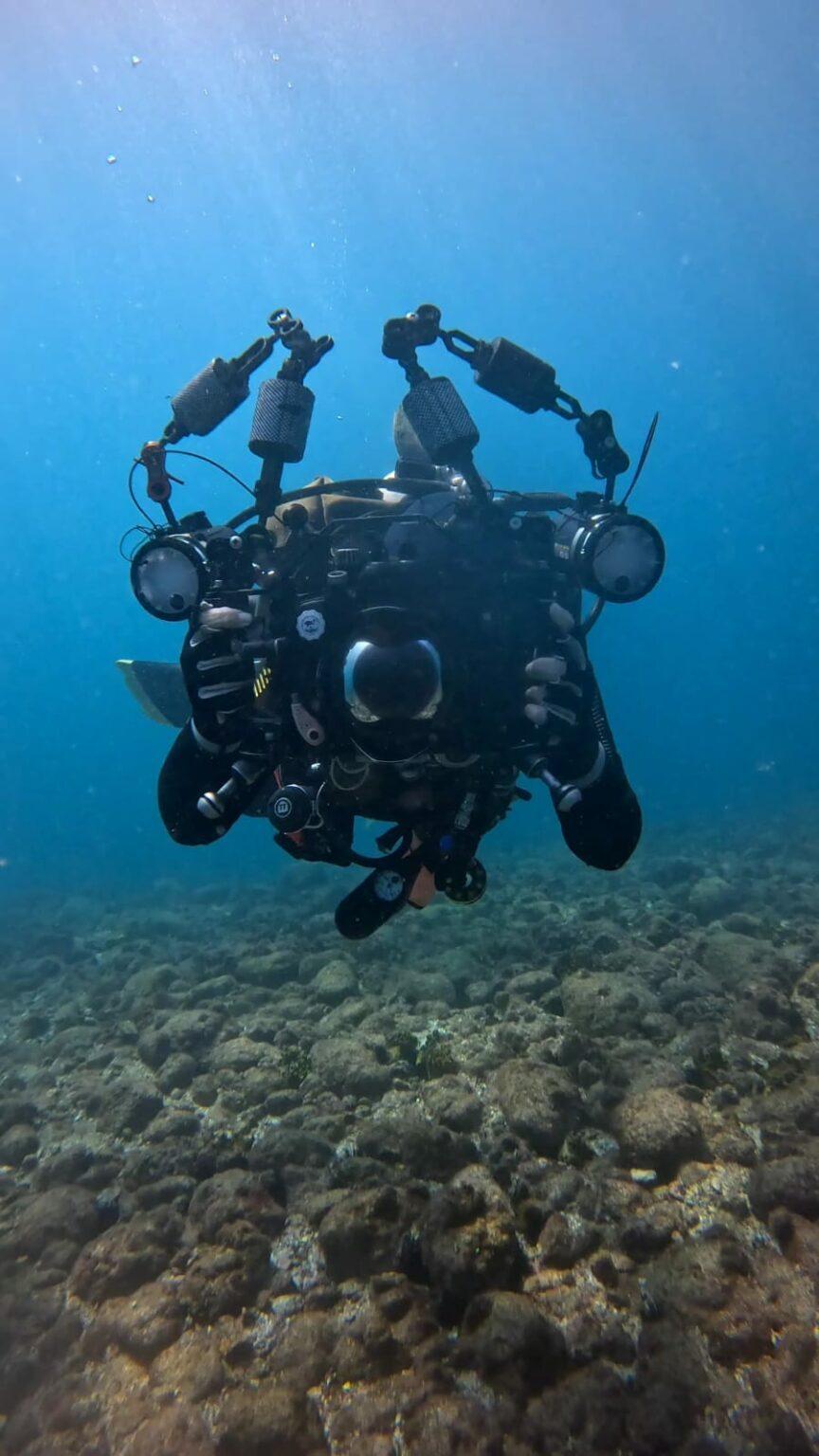
The regulator is one of the most critical pieces of gear in the whole kit, because it's what lets you breathe air from the tank at a safe, comfortable pressure, dive after dive. Choosing well comes down to understanding a few simple technical concepts that make a real difference underwater — useful whether you're thinking about buying your own or just want to understand the borrowed gear you're already using.
A regulator has two stages. The first stage connects to the tank and steps the stored pressure down to an intermediate level. There are two main types: balanced diaphragm first stages, which do a good job isolating internal components from sand, sediment, and contaminated water, delivering steady airflow regardless of tank pressure or depth — a solid choice if you dive in a wide range of conditions — and piston first stages, simpler and generally more affordable, which work well in warm, clean water, though unbalanced piston models can show small variations in airflow as the tank empties.
The second stage is the part you put in your mouth. Like the first stage, it can be balanced or unbalanced. A balanced second stage keeps airflow smooth at any depth or pressure, which is especially valuable on deeper or longer dives. Unbalanced models are more affordable and work fine for recreational diving in shallow water, though they can require a bit more breathing effort as tank pressure drops over the course of a dive.
If you plan to dive in cold water, this deserves extra attention: regulators without specific cold-water protection can free-flow or fail at low temperatures, so it's worth looking for models with sealed mechanisms built for that environment — rarely a concern in the waters around Búzios, but a real factor for anyone traveling to colder destinations.
Hoses vary too: traditional rubber hoses are tough and durable but a bit stiffer, while flexible hoses are lighter and more pliable, giving you more freedom of movement — a difference you notice most on long dives or in less conventional positions, like underwater photography.
Comfort matters a lot day to day, especially on longer dives: lighter regulators put less strain on your jaw, and the second-stage mouthpiece needs to fit well without causing irritation. Some models also offer manual airflow adjustment, letting you fine-tune your breathing based on current or depth — a genuinely useful feature, though one that tends to push up the price.
On maintenance: every regulator needs an annual service at a specialized shop, regardless of brand or price paid. Before buying, it's worth checking whether technical support and spare parts are actually available in your area — an excellent regulator that nobody nearby can service stops being a good practical choice.
There are well-established brands in the market — Scubapro, Aqualung, Cressi, Mares, and Apeks among them — with a long track record of reliability, but the right brand for you depends on your type of diving, your budget, and where you'll get it serviced, not on which one is generically "the best." If you're just starting out, you don't need to worry about this decision right away: the gear provided on courses and guided dives already goes through regular servicing and is well suited to recreational diving, and buying your own regulator usually makes more sense once you've dived enough to know what you value.
You might also like

How a scuba diving regulator works
From tank to mouthpiece: understand the two-stage mechanism that turns compressed air into natural breathing underwater.
How to take care of your scuba diving gear
A piece-by-piece guide — regulator, wetsuit, fins, mask, tank, and computer — to keep your gear lasting longer and working better.

6 tips to improve your air consumption while diving
Buoyancy, breathing, body position, and relaxation: see what actually makes a difference in stretching your tank and extending your bottom time.