
How to choose a buoyancy control device (BCD)
Jacket, wing, or hybrid, lift capacity, and integrated weights: a guide to choosing the right BCD for your diving style.
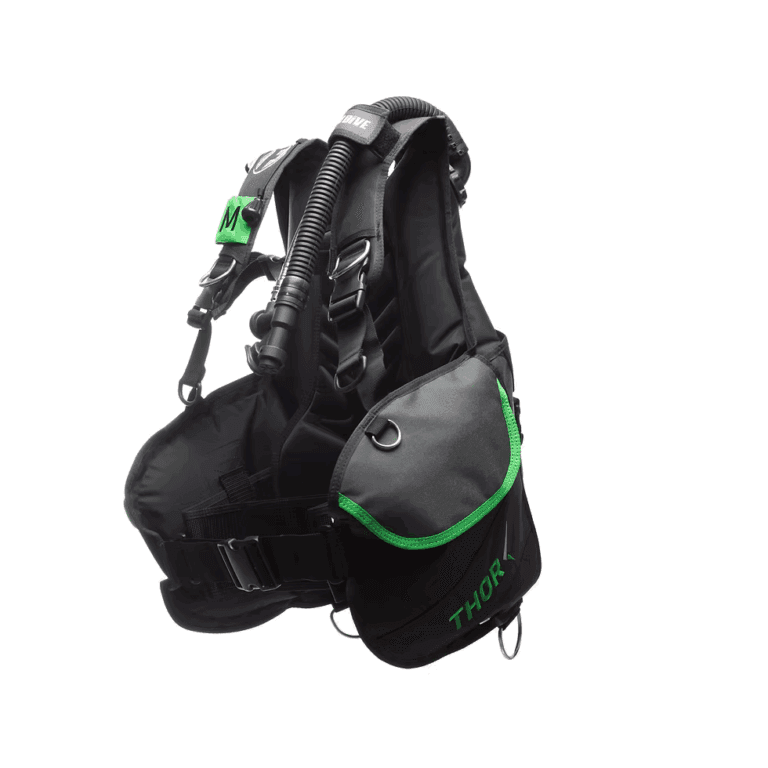
The buoyancy control device — the BCD — is one of the most important pieces of scuba gear, responsible for managing your buoyancy and keeping you comfortable and safe throughout the dive. Choosing the right one comes down to understanding a handful of key factors, from the style of the vest to lift capacity and extra features.
There are three main BCD styles. The jacket style is the most common and generally recommended for recreational divers: it inflates around the torso and offers good balance on the surface, and it's intuitive for beginners. The backplate-and-wing style is more popular among technical divers, since it inflates behind the back and allows more freedom of movement, favoring a horizontal position in the water — a clear advantage for anyone diving doubles or in more demanding environments. There's also a hybrid style, blending elements of both, aiming for a balance between surface comfort and control at depth.
Fit is one of the most critical factors: a BCD that doesn't fit well can cause discomfort and get in the way of buoyancy control right when you need it most. Pay attention to whether it's neither too tight nor too loose, whether it offers an adjustable chest strap that helps distribute weight more evenly, and whether the shoulder straps are padded enough not to bother you on longer dives.
Lift capacity — how much buoyancy the vest can generate when inflated — also needs to be factored in. It has to support the full weight of your setup: tank, weights, and other gear, so it's worth checking your own weight and the weight of the equipment you typically carry. The diving environment matters too: fresh water, being less dense, usually requires a bit more weight (and, consequently, more lift capacity) than salt water to reach the same neutral buoyancy.
Many modern BCDs come with integrated weight pockets, doing away with the traditional weight belt and adding comfort. When evaluating this system, check whether the pocket capacity fits the amount of weight you normally use, and whether quick weight release in an emergency is simple and intuitive — a safety detail worth testing on land before relying on it in the water.
Extra features factor into the decision too, depending on your diving profile: additional pockets for a light or camera, stainless steel D-rings to clip on gear, a reliable, easy-to-operate inflator system, and adjustable straps that fit the tank size you typically use.
The type of diving you do helps guide the final choice. For casual recreational diving, a jacket-style BCD with integrated weights and good lift capacity is usually enough. For technical diving, with double tanks or environments like caves and wrecks, wing-style BCDs tend to offer more flexibility and load capacity. For anyone who travels often to dive, it's worth prioritizing a light, compact BCD that's easier to pack.
In the end, the best way to decide is to try different models before buying — the feel of fit and comfort is quite personal and only really confirms itself in practice. If you're still early in your diving journey, there's no need to worry about this choice right now: the BCD used on Búzios Divers courses and guided dives is already fitted to your build for each activity, giving you a solid sense of what works for you before investing in your own gear.
You might also like

6 tips to improve your buoyancy while diving
Weighting, breathing, BCD use, trim, and practice: the adjustments that actually improve your buoyancy control, dive after dive.
How to choose the right scuba diving regulator
First stage, second stage, balanced or not: a straightforward guide to what to consider before choosing your regulator.
How to take care of your scuba diving gear
A piece-by-piece guide — regulator, wetsuit, fins, mask, tank, and computer — to keep your gear lasting longer and working better.