
Why you should never touch marine life
'Look, don't touch' isn't just dive etiquette — it protects the animal, the reef, and you too.
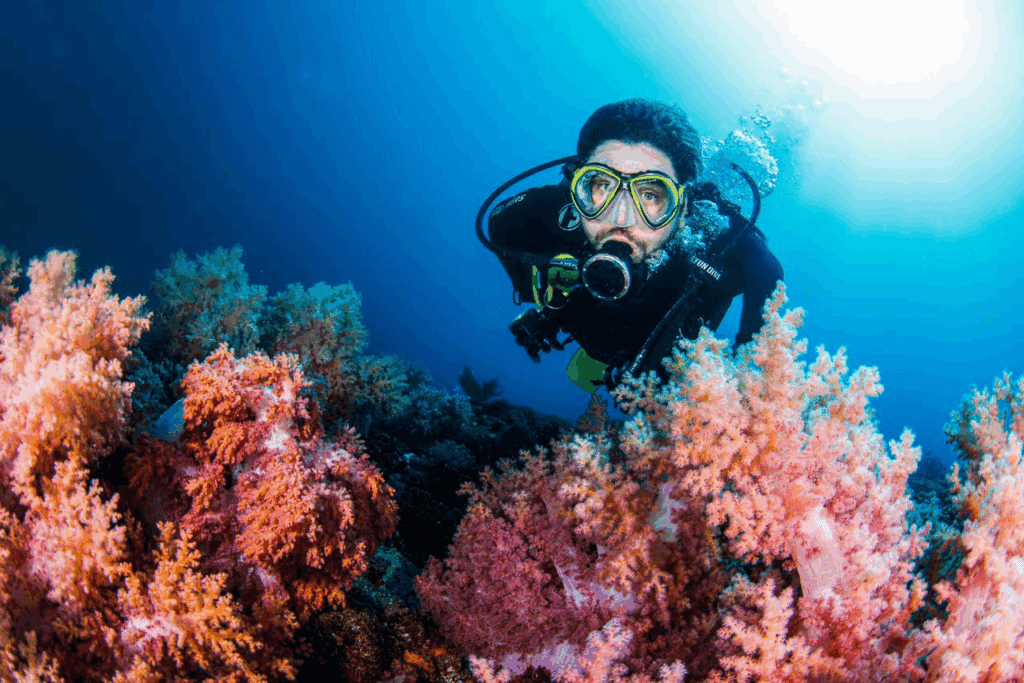
Why you should never touch marine life is one of the first rules every good dive briefing reinforces, for a simple reason: what looks like a harmless, curious gesture can cause real harm to the animal, the reef, and in some cases even the diver. 'Look, don't touch' is the central principle of responsible diving, and it's worth understanding the reasoning behind it, not just memorizing the rule.
Many fish and other marine animals have a protective mucus layer on their skin or scales that acts as a natural barrier against bacteria, parasites, and infection — functionally similar to our own skin. When a hand touches that animal, even without meaning to cause harm, it can strip away part of that protective layer and open the door to infections the animal has no way to treat in the wild.
Coral deserves special attention: despite looking like rock or plants, coral is made up of colonies of living animals, and every visible structure is the result of years — sometimes decades — of slow growth. A hand's touch or even a careless fin kick can break coral polyps that took a very long time to form, damage that won't be repaired by the time of a future visit.
There's also a behavioral effect. Wild animals that are frequently touched or chased by divers can shift their natural patterns — avoiding areas where they used to feed or rest, spending extra energy fleeing contact, or, in cases where they've been fed by humans, developing a dependency on interaction that leaves them more vulnerable. Keeping a distance preserves the animal's natural behavior, which is exactly what makes a dive interesting in the first place.
This rule also protects the diver. Many species have defense mechanisms — spines, stinging cells, a defensive bite — that only activate when the animal feels threatened by contact or by someone getting too close. Keeping your distance and never touching drastically reduces the risk of stings, burns, or scratches, which in the vast majority of cases happen precisely when someone tries to grab or pet an animal.
In practice, 'look, don't touch' gets much easier with good buoyancy. A diver with well-tuned weighting and breathing can hover close to a reef without bumping into coral with their hands, knees, or fins — which, besides protecting the environment, also makes for a smoother dive and better air consumption. Training buoyancy is, in that sense, both a technical skill and a gesture of respect for the environment.
This etiquette extends to small habits that add up: keeping your hands occupied holding your own gear instead of reaching out to touch something, avoiding chasing animals for a closer photo, and never feeding fish or other species, even when it seems like a kind gesture. Instructors and guides reinforce these practices because it's the sum of small individual choices that keeps a dive site healthy year after year.
In the end, diving without touching isn't a limitation — it's exactly what ensures the same reef, with the same coral and the same marine life, stays there, intact and vibrant, for the next diver who visits after you.
You might also like
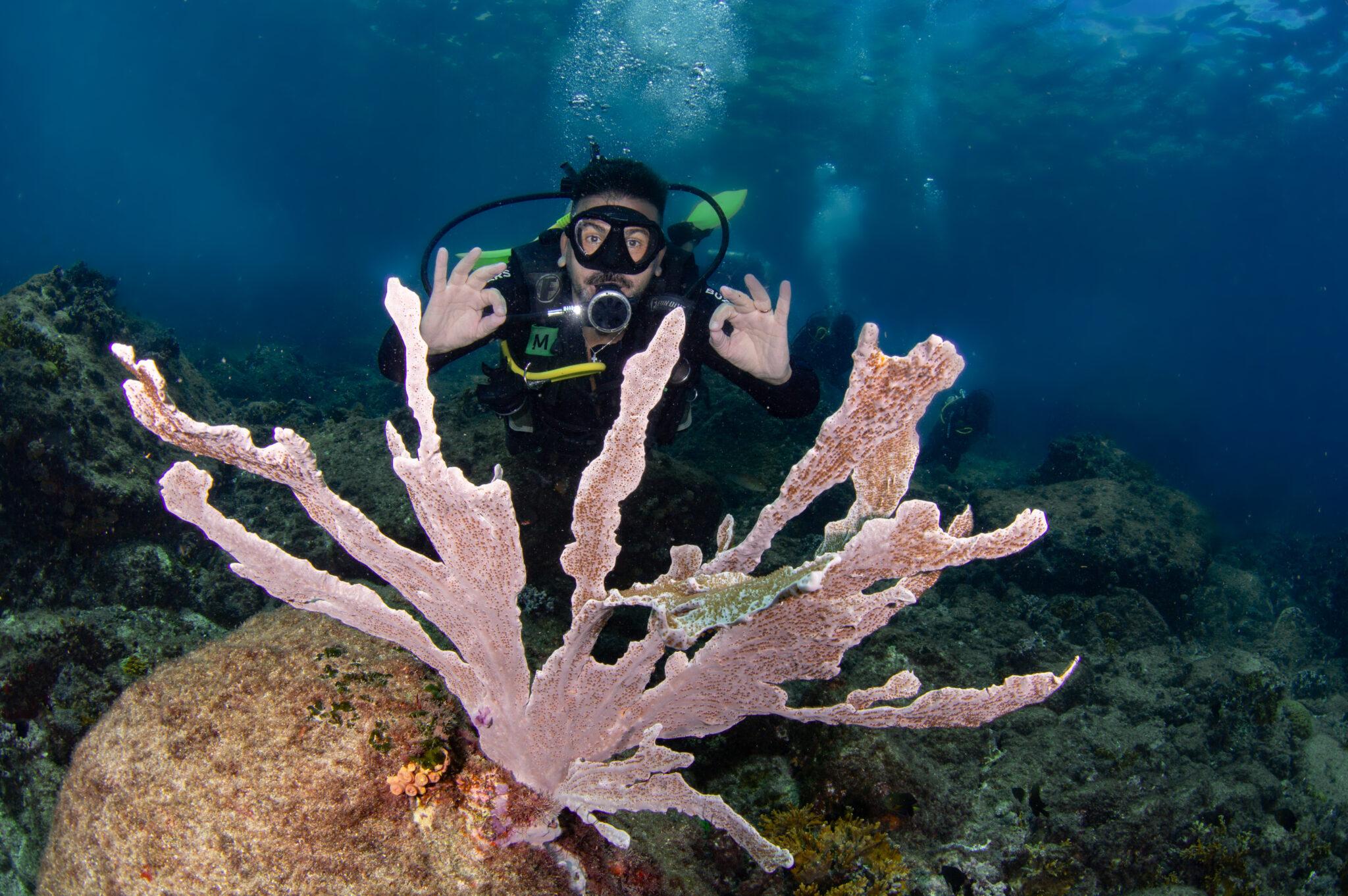
Why sharks matter to the ocean
Sharks are often cast as villains of the sea, but they're a key piece in keeping reefs and marine life in balance.
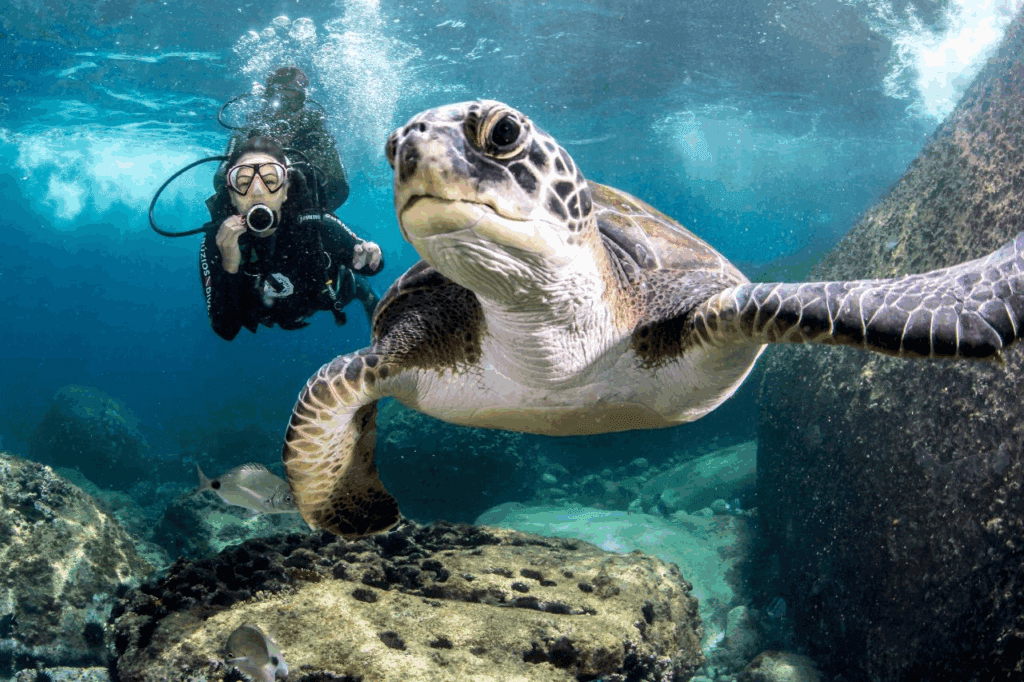
6 tips to improve your buoyancy while diving
Weighting, breathing, BCD use, trim, and practice: the adjustments that actually improve your buoyancy control, dive after dive.
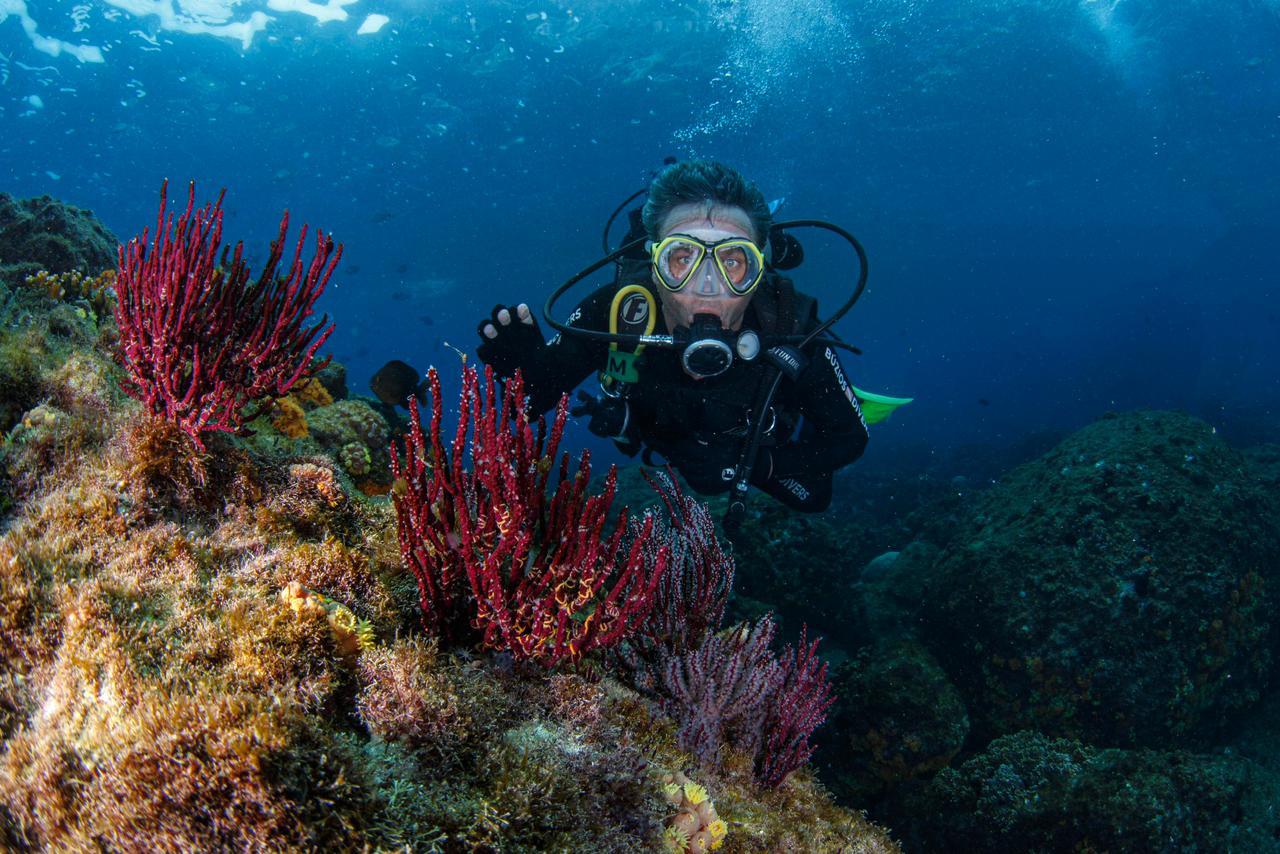
The world's major coral reef systems
From the Great Barrier Reef to the Coral Triangle: get to know the planet's largest reef systems and why protecting them matters to every diver.