
6 tips to improve your air consumption while diving
Buoyancy, breathing, body position, and relaxation: see what actually makes a difference in stretching your tank and extending your bottom time.
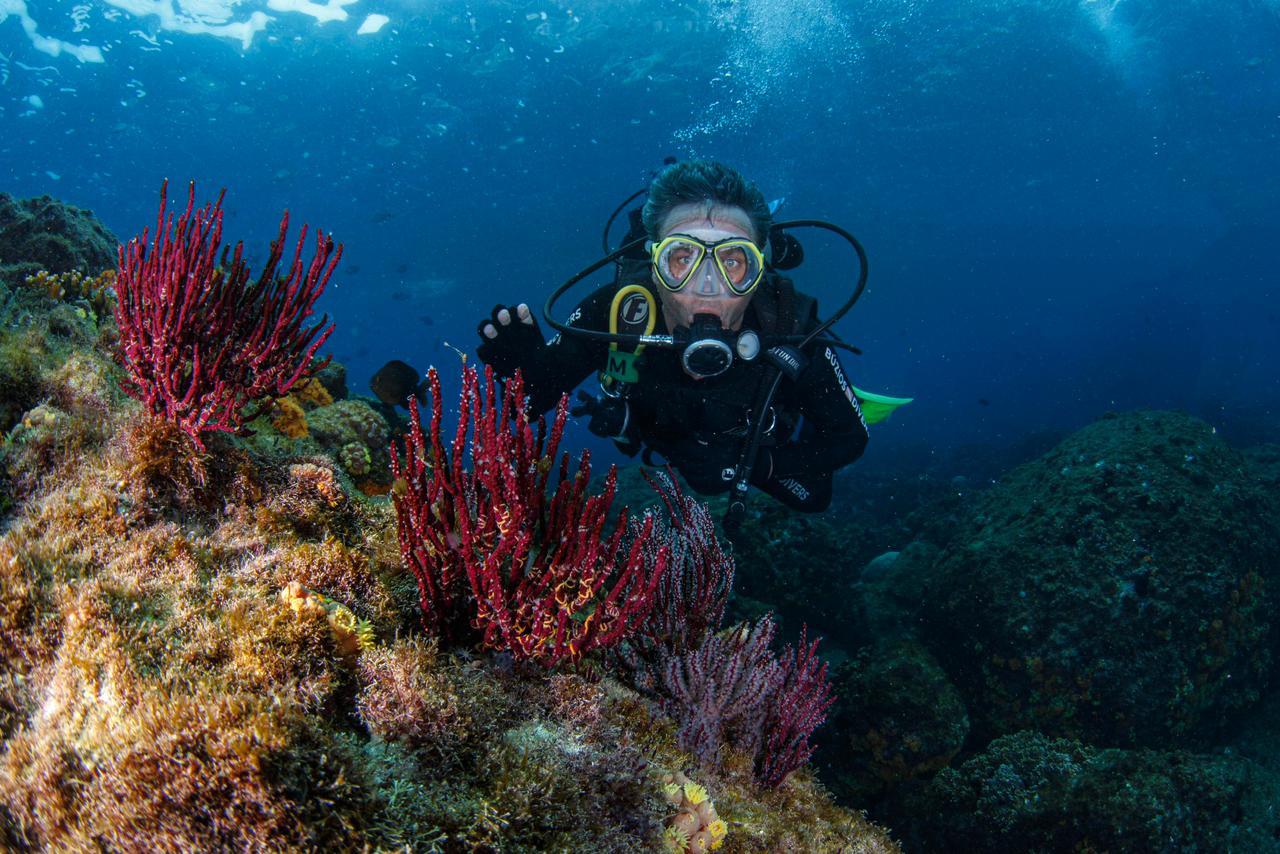
Improving air consumption is a goal shared by divers of every level, and the good news is that most of that efficiency comes from trainable habits, not natural talent or bigger lungs. We've already covered why depth affects tank duration so much in another article; here the focus is the other side of the equation — what you can actually do, in practice, to use less air on every dive. Here are six tips.
1. Balanced Buoyancy
Buoyancy may be the most decisive point of all. A diver with poorly adjusted weighting or sloppy trim burns energy — and air — constantly just to stay at the right depth, kicking to compensate or inflating and deflating the BCD nonstop. A diver with good buoyancy and a balanced, horizontal position in the water — proper trim — moves with almost no effort, and that translates directly into using less air.
2. Slow, Deep Breathing
The most efficient technique is slow, deep breathing, never short or panting — and just as important, never holding your breath, which is both inefficient and unsafe while breathing compressed air. Slow, full breaths make better use of every volume of air inhaled and help the body settle into a calmer rhythm, which on its own already reduces consumption.
3. Relaxation and Experience
Anxiety and tension speed up heart rate and breathing, causing a diver to burn through air much faster than someone calm at the same depth. That's why beginners often use noticeably more air than experienced divers doing the exact same dive: the confidence that comes from practice, dive after dive, naturally cuts down that stress-related extra consumption.
4. Streamlined Position
Staying streamlined and reducing drag matters too. Loose gear, dangling hoses, accessories flapping around, and a misaligned body position all increase the water's resistance against the diver, demanding more physical effort — and more air — to cover the same distance. Keeping everything secured and your body aligned is a simple way to swim more economically.
5. Staying Warm
Feeling cold makes the body burn more energy to maintain its temperature, which speeds up breathing and air use; the same happens with general thermal stress or discomfort. A wetsuit matched to that day's water temperature helps keep the body comfortable from the start to the end of the dive.
6. Physical Fitness
You don't need to be an athlete, but a body in better cardiorespiratory shape tends to keep a more efficient breathing pattern under light to moderate exertion, which shows up as less air used over the course of a dive.
None of these tips deliver results overnight — better air consumption comes with repetition, dive after dive, paying attention to each of these points. At Búzios Divers, our instructors track that progress closely and give specific feedback to each diver throughout courses and dive trips.
You might also like
How long does the air in a scuba tank last?
The answer depends on depth: understand why the same tank lasts far longer in shallow water than deep, and how to estimate it realistically.
6 tips to improve your buoyancy while diving
Weighting, breathing, BCD use, trim, and practice: the adjustments that actually improve your buoyancy control, dive after dive.
Why the pre-dive safety check matters
Meet BWRAF, the buddy check PADI teaches before every dive — and why even experienced instructors never skip it.