
Émile Gagnan: the genius behind the dive regulator
The French engineer behind the demand valve that made the Aqua-Lung possible — an invention still at the heart of every dive regulator used today.
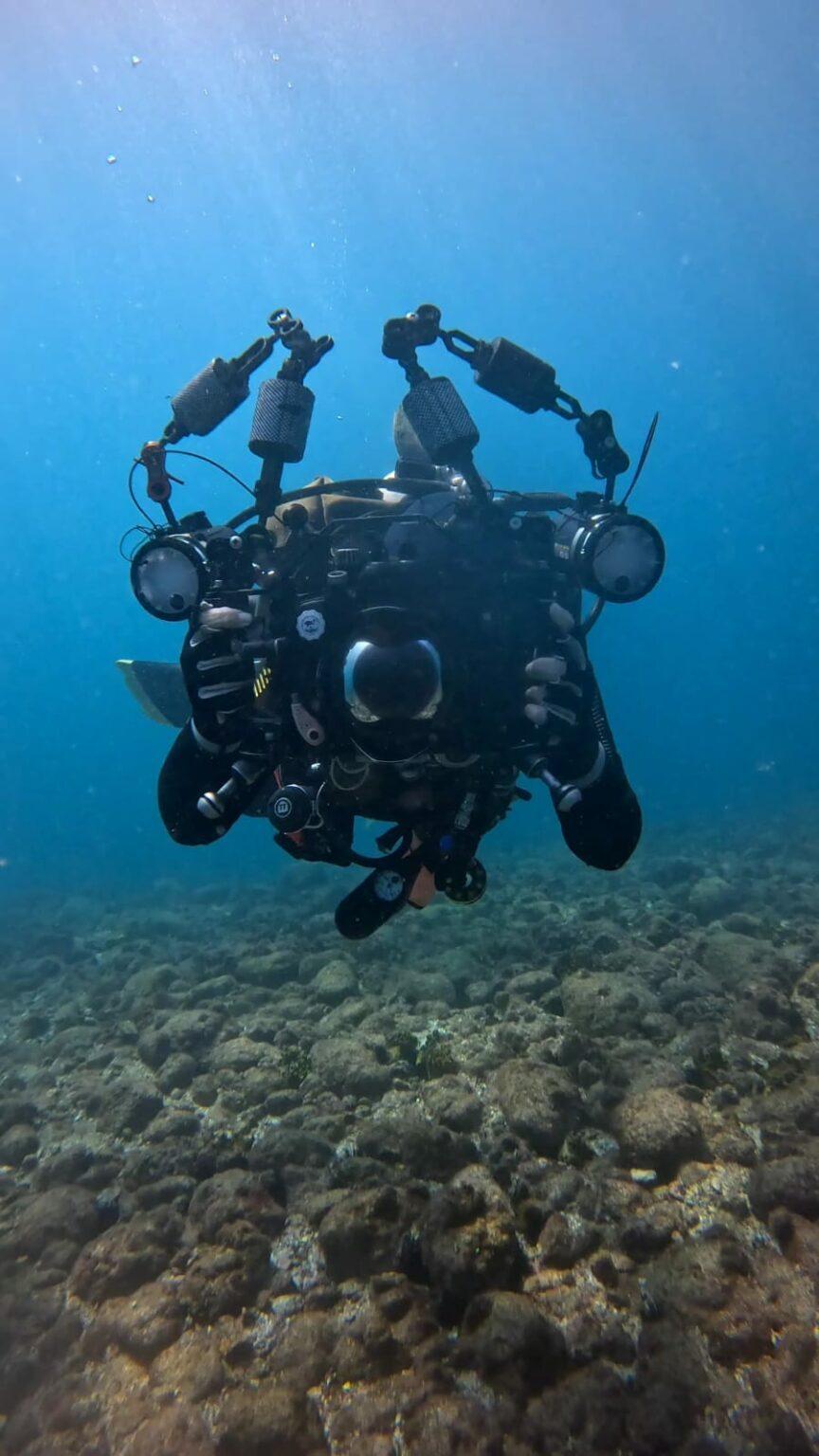
If Jacques Cousteau is the most remembered name in the history of scuba diving, Émile Gagnan is the engineering mind that made it all possible. A French engineer specialized in gas equipment, Gagnan was the technical brain behind solving a problem that had held diving back for centuries: how to deliver compressed air to a diver automatically, safely, and efficiently.
Born around 1900, Gagnan worked for the French company Air Liquide when, during World War II, he was assigned to adapt a gas regulator used in automobiles — which, due to gasoline shortages in occupied France, had been converted to run on cooking gas. That automotive gas valve, designed for a completely different purpose, would go on to become the technical foundation of one of the most important inventions in diving history.
In 1943, Cousteau approached Gagnan looking for a solution for self-contained diving. Starting from the automotive regulator, Gagnan developed what became known as the demand valve: a mechanism that releases compressed air from the tank only the moment the diver inhales, and cuts off the flow as soon as they stop drawing breath.
That technical detail — deceptively simple, but extremely hard to get right — is what set the Aqua-Lung apart from every earlier attempt at self-contained diving. By releasing air only on demand, Gagnan's system avoided waste, automatically adjusted air pressure to the diver's depth, and made breathing underwater feel almost as natural as breathing on the surface.
The Aqua-Lung's patent, filed by Cousteau and Gagnan under the name CG45 (their initials followed by the year of the invention), became the foundation on which the entire diving regulator industry was built in the decades that followed. Practically every demand regulator used today — including the modern models used in recreational courses and dives — follows the same basic principle Gagnan perfected back then.
Despite his decisive contribution, Gagnan is often overshadowed by Cousteau's fame, which grew into a public persona through films, books, and television shows. But without Gagnan's engineering, Cousteau's vision of truly free diving would never have left the drawing board.
The next time you breathe underwater through a regulator, it's worth remembering: that simple, automatic act exists thanks to the quiet work of an engineer who solved, with a single valve, a problem humanity had been trying to crack for centuries.
You might also like

Jacques Cousteau: the pioneer of scuba diving
How a French naval officer with a passion for the ocean helped invent the Aqua-Lung and forever changed the way the world dives and sees the seas.
What was the Aqua-Lung, and how it changed diving
The first practical self-contained diving system in history, created in 1943 by Cousteau and Gagnan — and how it gave rise to modern recreational diving.
How a scuba diving regulator works
From tank to mouthpiece: understand the two-stage mechanism that turns compressed air into natural breathing underwater.