
The best scuba diving destinations in South America
From the Galápagos to Malpelo, by way of Coiba and the Brazilian coast: an overview of South America's most legendary dive destinations.
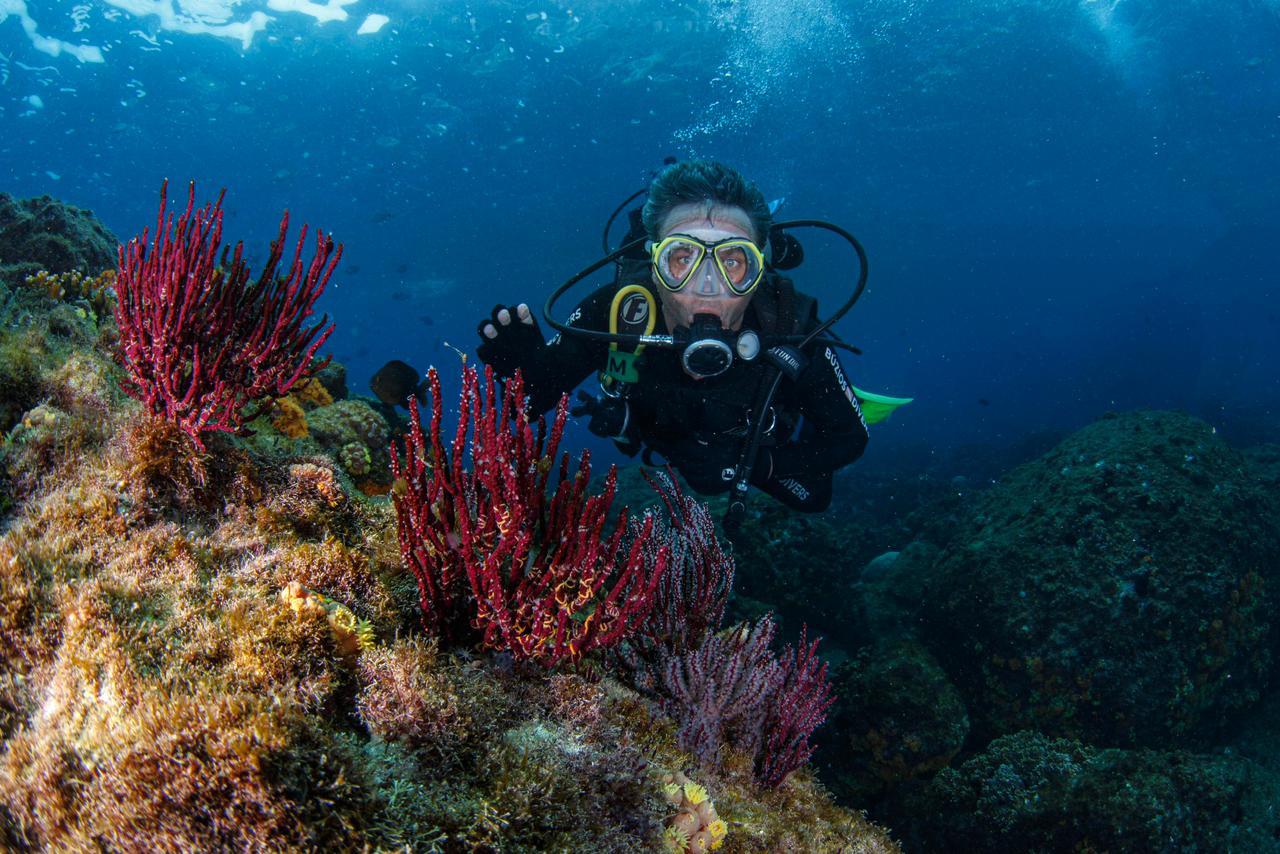
South America's dive destinations include some of the most legendary sites in diving worldwide — places that show up on any 'bucket list' alongside names like the Red Sea or the Great Barrier Reef. The difference is that they're all on the same continent, which makes it far easier to check off more than one.
The Galápagos Islands, in Ecuador, are perhaps the best-known name on the list. The archipelago sits where several ocean currents converge, including the cold Humboldt Current, creating a rare combination of cold water and abundant nutrients. It's one of the few places on Earth with consistent sightings of large hammerhead shark schools, along with seasonal whale shark encounters, playful sea lions, and marine life as dense as the land wildlife that made the islands famous. Because of the cold water and strong currents, it's generally recommended for more experienced divers.
Malpelo, a remote Colombian island in the Pacific Ocean about 500 km off the mainland, is only reachable by multi-day liveaboard trips. The island is a UNESCO World Heritage site, famous for hosting one of the largest concentrations of hammerhead sharks on the planet, along with Galápagos sharks and, occasionally, whale sharks. It's considered an advanced, technical dive, reserved for divers already comfortable with open water and strong current.
In Panama, Coiba National Park, also a UNESCO World Heritage site, offers a slightly more accessible version of the same formula: nutrient-rich water, large pelagics like sharks, and, depending on the season, whale encounters, surrounded by one of the largest protected rainforest areas in Central America.
Brazil contributes its own share to this list: Fernando de Noronha, an archipelago with some of the clearest water in the South Atlantic and a UNESCO World Heritage site; Arraial do Cabo and the Lakes Region, known for the upwelling phenomenon that brings in cold, marine-life-rich water; and Abrolhos, in Bahia, Brazil's first national marine park and a stopover for humpback whales during breeding season.
It's worth noting these destinations have quite different profiles: the Galápagos and Malpelo demand more experience, planning, and budget due to their remote logistics and currents, while much of the Brazilian coast, including Búzios, is diveable by beginners, with more sheltered water and an established dive center scene year-round.
A good way to think about it is as a progression: start with accessible, well-structured destinations like Búzios to build dive hours and confidence, then gradually work toward more demanding destinations like the Galápagos or Malpelo as experience and certifications allow. In that sense, South America offers the whole continent as a roadmap for growth as a diver.
You might also like
The best scuba diving destinations in Brazil
From Fernando de Noronha to Bonito, by way of Búzios, Arraial do Cabo, and Abrolhos: an overview of Brazil's best-known dive destinations and what makes each one special.
The best scuba diving destinations in the world
A quick tour of the world's most legendary dive destinations: the Red Sea, Raja Ampat, the Great Barrier Reef, the Maldives, the Galápagos, and Palau.
Why is Búzios a great diving destination?
Proximity, beach diversity, and an established diving community: the practical reasons behind Búzios' reputation among Brazilian divers.