
How to choose the right scuba diving mask
Seal, silicone skirt, field of view, and lenses: what actually matters when choosing — or buying — your dive mask.

Choosing the right dive mask directly affects your comfort, your safety, and the quality of your view underwater. It's a small piece of gear, but it's literally your window into the underwater world — worth understanding what to look for before settling on a model, whether you're buying your own or just asking for a better fit from rental gear.
By far the most important factor is the seal. A mask that seals well against your face keeps water out and stays comfortable for the entire dive. There's a simple way to test this before buying: press the mask against your face without using the strap and inhale gently through your nose, creating a light vacuum. If it stays in place without falling, the shape matches your facial contour — every face is different, so the same model can seal perfectly on one person and leak on another.
The silicone skirt, the part that touches your skin, also matters. Higher-quality silicone tends to be softer and more flexible, which improves both comfort and long-term seal. You'll also choose between clear silicone, which lets in more light and slightly widens peripheral vision, and black or opaque silicone, which blocks internal reflections and helps you focus better in bright sun — neither is objectively "better," it comes down to preference and the conditions you usually dive in.
Field of view varies quite a bit between single-lens and dual-lens masks. Single-lens masks generally open up a wider view; dual-lens masks are the ones that accept prescription lenses, so they make more sense if you don't see well without glasses or contacts. One technical detail that matters in practice: low-internal-volume masks sit closer to the face, which makes equalizing easier and slightly improves peripheral vision — something you notice more on deeper dives.
The lenses themselves vary too. Tempered glass is the market standard, safe and durable for underwater use. Many masks come with a factory anti-fog treatment, which helps a lot, though no treatment lasts forever — it's worth reapplying a proper anti-fog product from time to time. Mirrored or tinted lenses cut glare in clear, sunny water, but they also dim your view a bit in murkier water or on deeper dives, where light is already naturally scarce.
The strap-and-buckle system sounds like a minor detail, but it makes a real difference day to day. Wide straps spread pressure more evenly around your head, and quick-adjust buckles — the kind you can operate even with gloves on — make it easy to fine-tune the fit as you get in the water or mid-dive, without taking the mask off.
On price: the most expensive mask isn't automatically the right one for you, but very cheap models tend to use stiffer silicone and a less reliable seal, which undermines exactly the two things that matter most. It's worth thinking of a mask as an investment in comfort and safety, not just another item on the shopping list.
Once you've picked one, test it in a controlled setting — a pool or shallow water — before taking it into a more demanding dive. Check for leaks and make sure it stays comfortable after extended time on your face. If you're still deciding between renting and buying your own mask, it's worth reading about the advantages of owning your own gear — plenty of divers start out with rental equipment and only later invest in the pieces that make the biggest difference to personal comfort, and the mask is usually first on that list.
You might also like
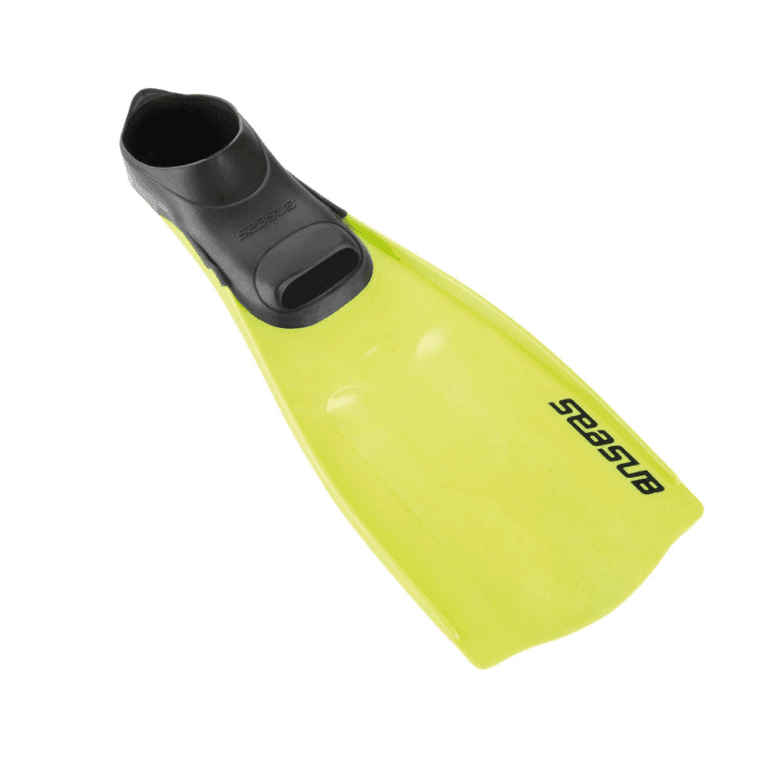
How to choose the right scuba diving fins
Open heel or full foot, stiff or flexible blade, long or short: understand the differences before choosing your fins.
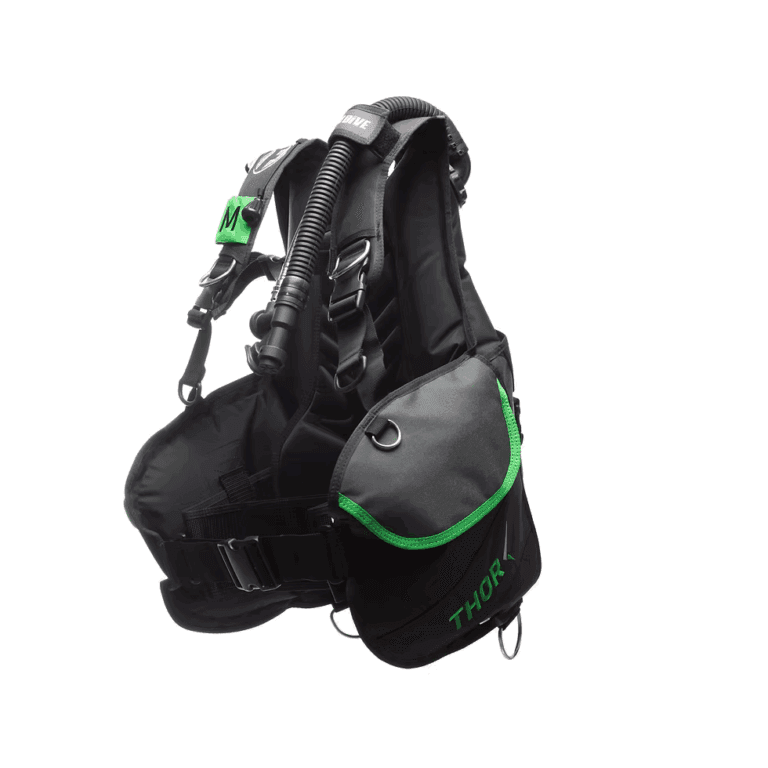
How to take care of your scuba diving gear
A piece-by-piece guide — regulator, wetsuit, fins, mask, tank, and computer — to keep your gear lasting longer and working better.

What you need to know before your first dive
Common questions from first-timers — health, fear, ears, glasses, and what actually matters before getting in the water.