
Why owning your own scuba diving gear is worth it
Buy or keep renting? See how fit, hygiene, familiarity, and buoyancy factor into the decision — and when renting is still the smarter call.
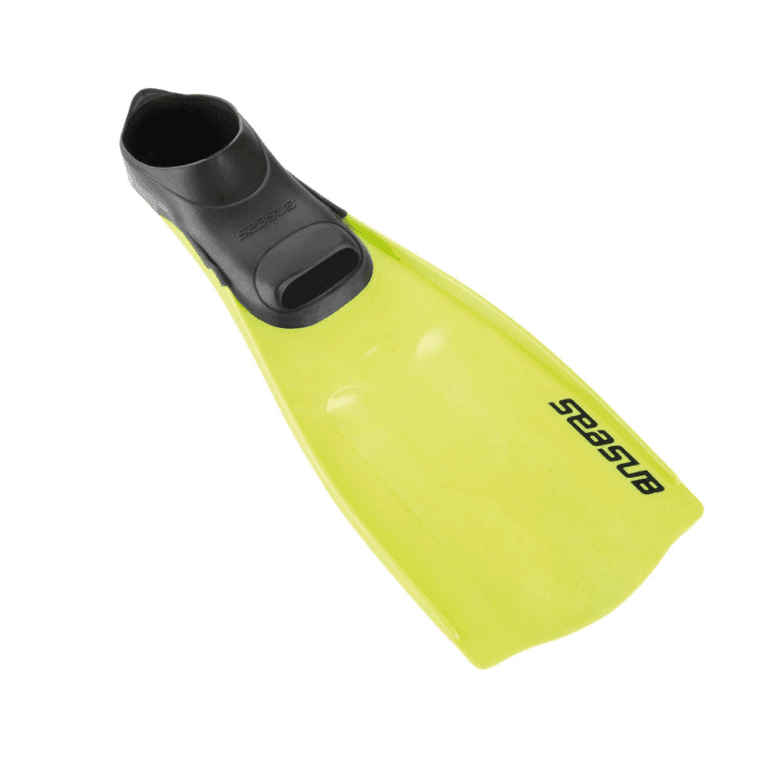
After a handful of dives, a common question comes up: is it worth buying your own scuba gear, or is it better to keep renting for every trip? There's no single right answer, but for anyone who plans to dive regularly, owning your own gear brings advantages that go well beyond comfort.
The first advantage is fit. Every face is shaped differently, and a mask that seals well on one person can leak on another. The same goes for a wetsuit, which needs to match your body without gaps or tightness, and for fins, where the wrong fit can cause blisters and tired legs. With your own gear, that fit is dialed in once and stays with you on every dive after that.
Hygiene is another relevant point. Rental gear passes through many different people over the course of a season, and even with thorough cleaning and disinfection between uses, pieces like the regulator mouthpiece, wetsuit, and boots are inevitably shared. Having your own gear removes that concern entirely.
There's also familiarity, which ties directly into safety. Knowing exactly where every valve, buckle, and pocket on your own BCD is, without having to search or think about it, makes a real difference in a stressful or emergency situation underwater. That kind of muscle memory only builds up by diving with the same gear again and again.
Buoyancy also becomes more predictable. Every BCD, tank, and wetsuit model has its own buoyancy characteristics, and switching rental gear on every dive means re-adjusting your weighting each time. With a fixed set of gear, that adjustment happens once and stays consistent dive after dive, which makes buoyancy control noticeably easier.
On cost, it's worth thinking long-term. For someone who dives only rarely, renting almost always makes more sense. For someone diving frequently, though, the running total spent on rentals tends to catch up with — and eventually exceed — the cost of buying, especially for the more personal pieces like mask, fins, and wetsuit. It's worth asking your dive shop about the costs involved and deciding calmly, piece by piece, with no rush to replace everything at once.
None of this means renting is a bad choice — quite the opposite. For anyone trying diving for the first time, like in a Discover Scuba Diving experience, or diving only occasionally on trips, renting is the more practical and sensible option: all the technical gear is provided and fitted by the team, with no investment needed before you even know whether you'll enjoy the activity.
In practice, most divers follow a gradual path: they start out renting everything, and as they dive more often, they invest first in the most personal pieces — usually mask and fins — and gradually in the rest of the gear over time. There's no rush and no obligation: what matters is diving safely and comfortably, whether with your own gear or rented.
You might also like
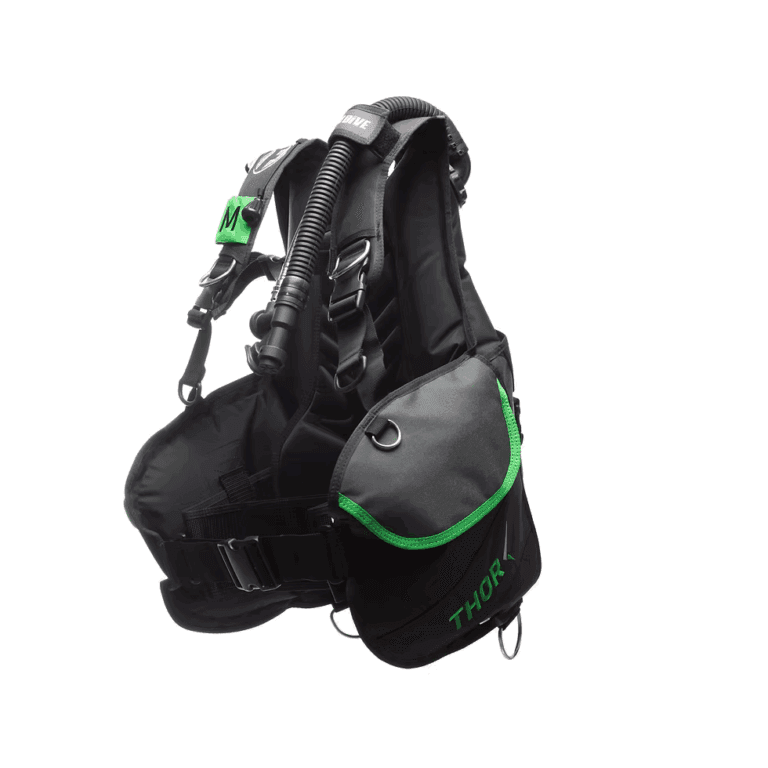
How to take care of your scuba diving gear
A piece-by-piece guide — regulator, wetsuit, fins, mask, tank, and computer — to keep your gear lasting longer and working better.
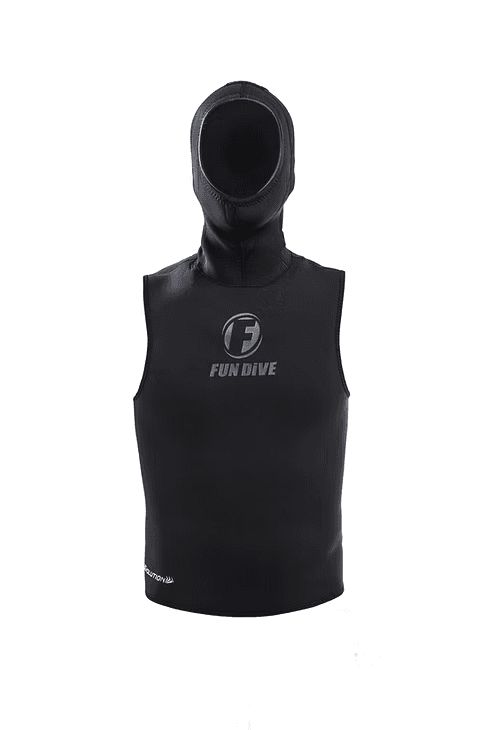
How to choose the right wetsuit for diving
Thickness, suit type, material, and zipper placement: what to consider to pick the right wetsuit for the water you dive in.
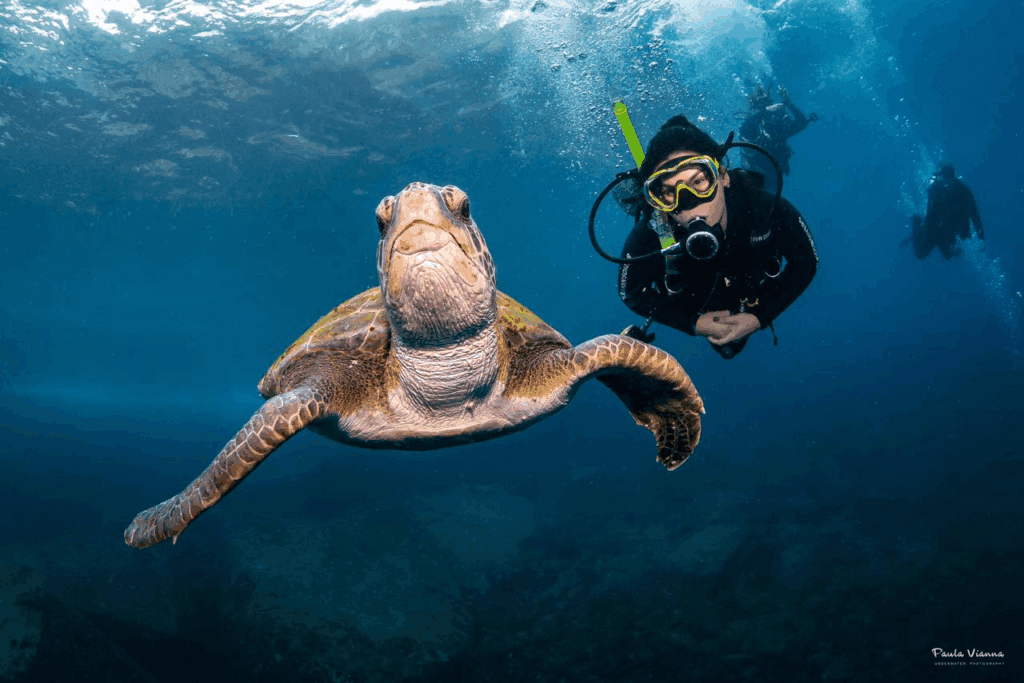
Discover Scuba or Open Water: which is the right choice for you?
Two different entry points into the world of scuba diving. Understand the differences to choose with more clarity.