
The best dive sites in Rio de Janeiro state
Beyond Búzios, the coast of Rio de Janeiro state offers dive sites like Arraial do Cabo, Cabo Frio, and Ilha Grande — each with its own water, scenery, and diving style.
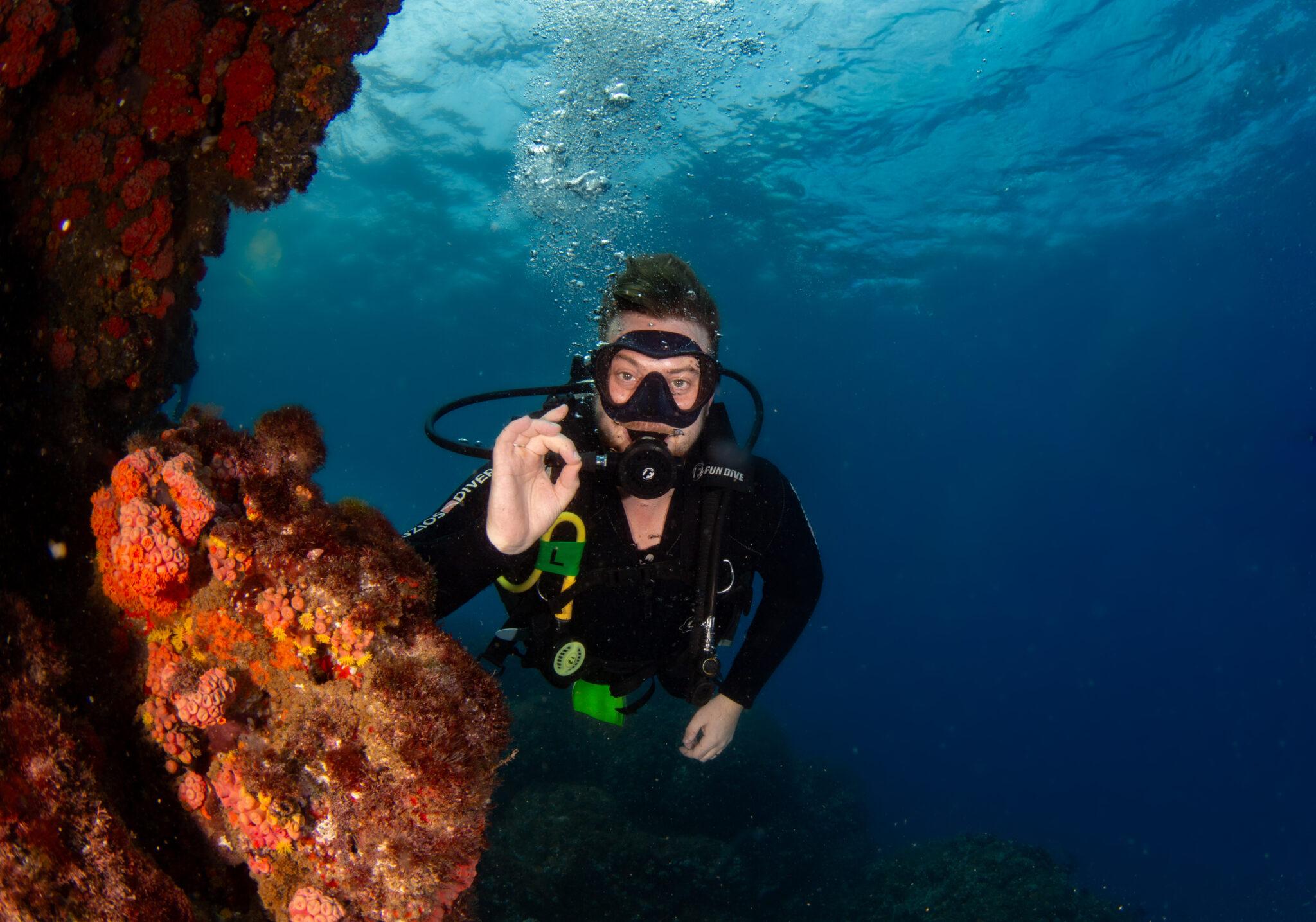
Rio de Janeiro's dive sites go well beyond Búzios: the state's coastline runs from the Costa Verde near Angra dos Reis all the way to the Região dos Lagos (Lakes Region), forming one of the richest stretches of coast in Brazil for divers. Each area has its own personality in terms of temperature, visibility, and marine life, which makes the state almost a complete destination on its own.
Arraial do Cabo, less than an hour from Búzios, is probably the best-known name outside the peninsula itself. The town is famous for an upwelling phenomenon: cold, deep currents rise to the surface carrying nutrient-rich water, which boosts marine life and, on low-turbidity days, leaves the water strikingly clear — earning Arraial do Cabo the popular nickname 'Brazil's Caribbean'.
Much of the coastline around Arraial do Cabo sits within marine protected areas, which helps preserve fish biomass and dive site quality over the years. The region is also popular with divers interested in wreck diving, with sites historically used for wreck diving specialty courses.
Cabo Frio, the neighboring town practically joined to Arraial do Cabo, shares the same upwelling phenomenon and is known for its dunes and fine white-sand beaches. Together with Arraial do Cabo and Búzios, it forms what's often called the Região dos Lagos — a triangle compact enough to explore in a single, longer trip.
Further along the Costa Verde, near Angra dos Reis, lies Ilha Grande: an archipelago of islands and bays covered in preserved Atlantic Forest, with generally warmer and calmer water than the Lakes Region. The underwater scenery shifts to granite rock formations, and sea turtle encounters are common at the more sheltered sites.
The difference in temperature and visibility between these regions tends to follow a seasonal pattern: the upwelling that makes Arraial do Cabo and Cabo Frio's water colder and clearer is stronger at certain times of year, while Ilha Grande tends to keep warmer, more stable water year-round. A good local operator will always give you the most realistic expectation for the timing of your trip.
In practice, many divers use Búzios as a base and take day trips to nearby sites, while others plan trips specifically to experience the cold, nutrient-rich water of Arraial do Cabo, or the more tropical scenery of Ilha Grande. Neither option rules out the other — they're complementary diving styles within the same state.
If you've already dived in Búzios and are thinking about your next destination, Rio de Janeiro offers a rare advantage: real variety of scenery and conditions without ever leaving the state, backed by solid dive operator infrastructure in each of these towns.
You might also like
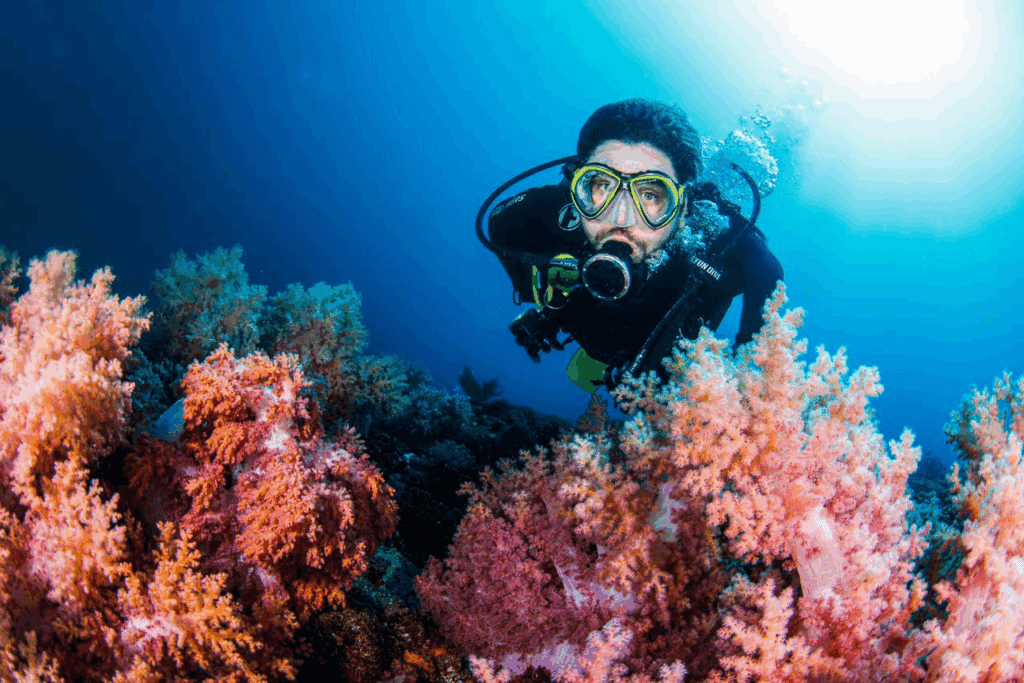
The best dive sites in Búzios
A tour through the main dive sites around Búzios — what to expect in terms of visibility, marine life, and difficulty at each one.
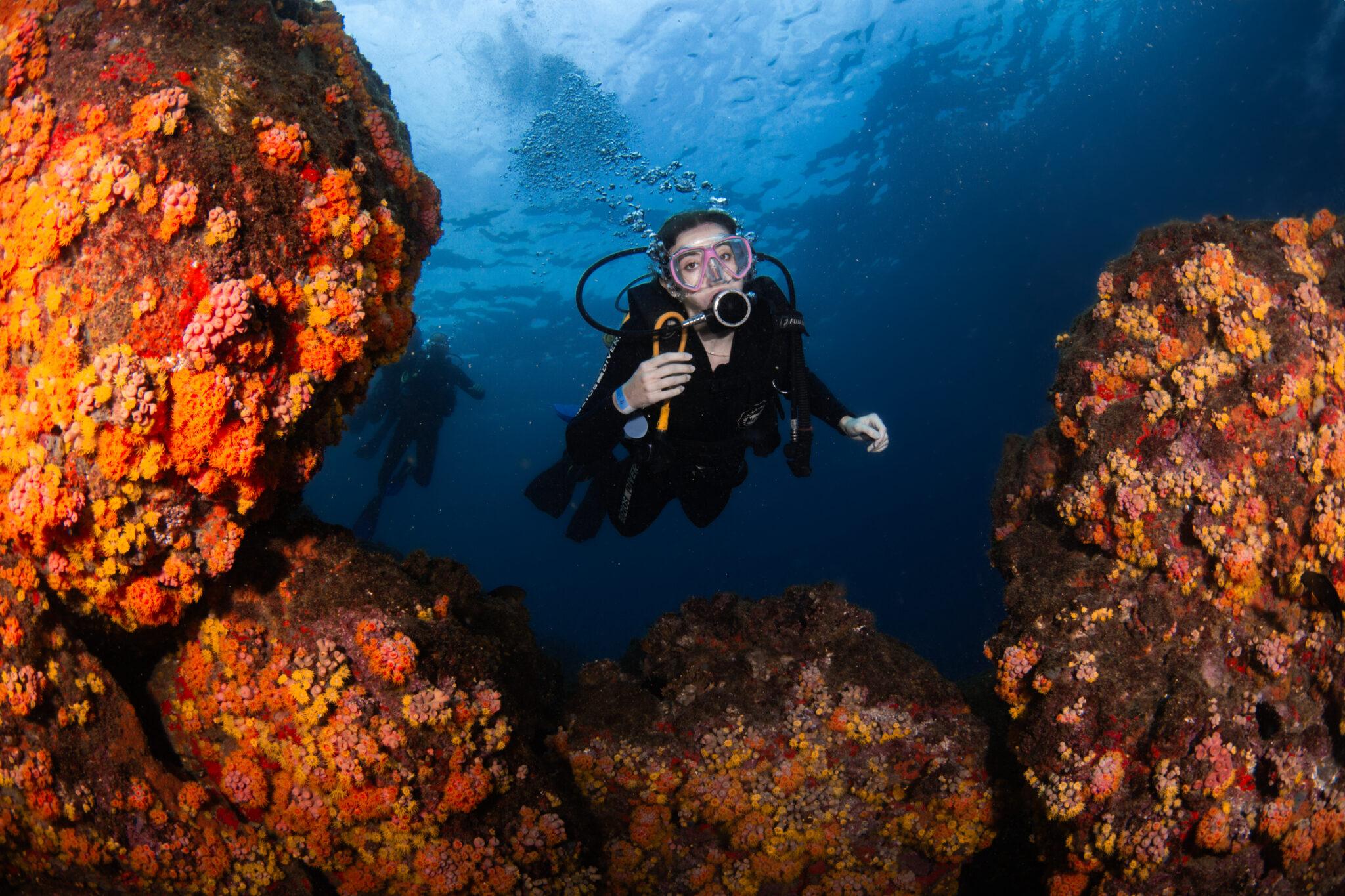
Why is Búzios a great diving destination?
Proximity, beach diversity, and an established diving community: the practical reasons behind Búzios' reputation among Brazilian divers.
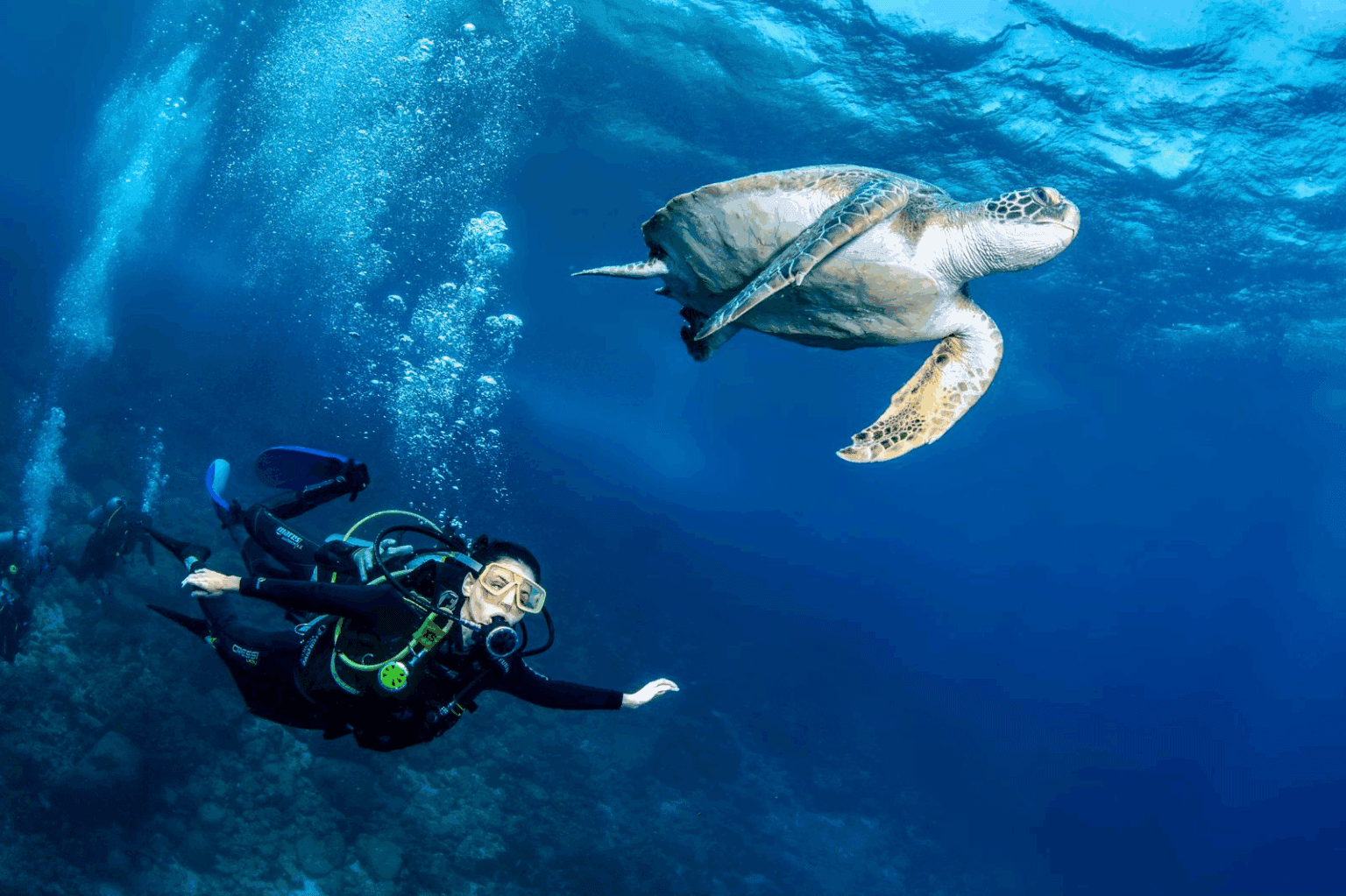
The best scuba diving destinations in Brazil
From Fernando de Noronha to Bonito, by way of Búzios, Arraial do Cabo, and Abrolhos: an overview of Brazil's best-known dive destinations and what makes each one special.