
How to take care of your scuba diving gear
A piece-by-piece guide — regulator, wetsuit, fins, mask, tank, and computer — to keep your gear lasting longer and working better.
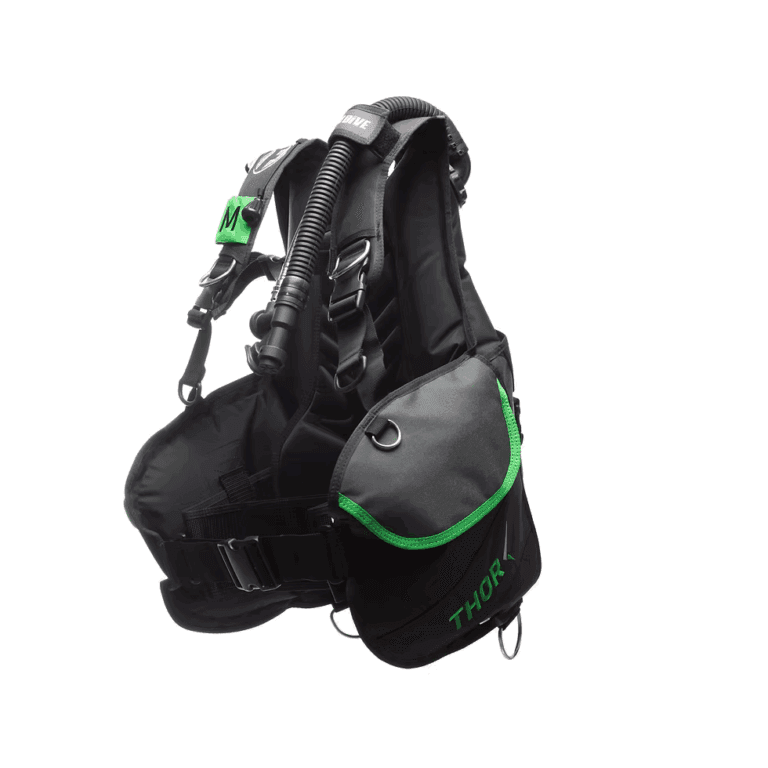
Taking care of your scuba gear is what keeps it working reliably dive after dive, and it significantly extends the life of every piece. It doesn't take any special technical knowledge — just a few simple habits after each use that make a huge difference over time, whether it's your own gear or rental equipment you use often.
The regulator is one of the most sensitive pieces. After every dive, it should be rinsed with fresh water to remove salt, sand, or chlorine residue. One important rule: never submerge the first stage in water without the protective dust cap on the inlet, since moisture getting in there can affect how it performs. Storing it somewhere dry, away from direct sun and chemicals, and taking it for an annual service at a specialized shop round out the basics.
Wetsuits need attention too, since neoprene is sensitive to sun, salt, and chlorine. It's best to rinse with fresh water right after use, avoid harsh detergents — mild soap or neoprene-specific cleaners work well — and dry it in the shade, hung so it keeps its original shape. Storing it on a thick hanger prevents the creases and deformation that thin hangers leave over time.
Fins need a fresh-water rinse after every use to remove sand, salt, and other debris that builds up around buckles and straps. It's worth checking the straps regularly and replacing them if they're cracked or brittle — it's a cheap part to swap and avoids an annoying problem mid-dive. Storing them somewhere cool, away from excessive heat, keeps the material from warping.
The mask is responsible for your view underwater, so it deserves extra care. Rinse it with fresh water and mild soap after every dive, avoid touching the lens with dirty or oily hands, which can leave marks on the glass, and store it in a rigid protective case — that prevents scratches on the lens and deformation of the silicone skirt when it's loose in a bag with other gear.
Tanks need somewhat different care, since they store compressed air. The outside should be rinsed with fresh water to prevent corrosion, especially on steel tanks. It's best to store them with a small amount of residual internal pressure, so outside moisture can't get in and cause oxidation, and periodic hydrostatic testing is required, following local regulations and the manufacturer's recommendations.
The dive computer, being an electronic device, also needs care: rinse with fresh water after use, especially in salt water, check the battery charge regularly, and avoid letting it come into contact with chemicals that could damage the display. The snorkel, simple as it is, benefits from the same fresh-water-and-mild-soap rinse, plus an occasional check of the purge valve and dry storage to prevent mold.
Beyond individual care, it's worth keeping a routine of preventive maintenance: taking your gear — especially the regulator and tank — to a specialized shop regularly, and checking the seals, zippers, and straps on every piece before each dive. This simple habit avoids unnecessary spending on premature replacements and, more importantly, makes sure your equipment works exactly as expected when you need it most.
You might also like
How to choose the right scuba diving regulator
First stage, second stage, balanced or not: a straightforward guide to what to consider before choosing your regulator.
How to choose the right wetsuit for diving
Thickness, suit type, material, and zipper placement: what to consider to pick the right wetsuit for the water you dive in.

Why the pre-dive safety check matters
Meet BWRAF, the buddy check PADI teaches before every dive — and why even experienced instructors never skip it.