
The best scuba diving destinations in Brazil
From Fernando de Noronha to Bonito, by way of Búzios, Arraial do Cabo, and Abrolhos: an overview of Brazil's best-known dive destinations and what makes each one special.
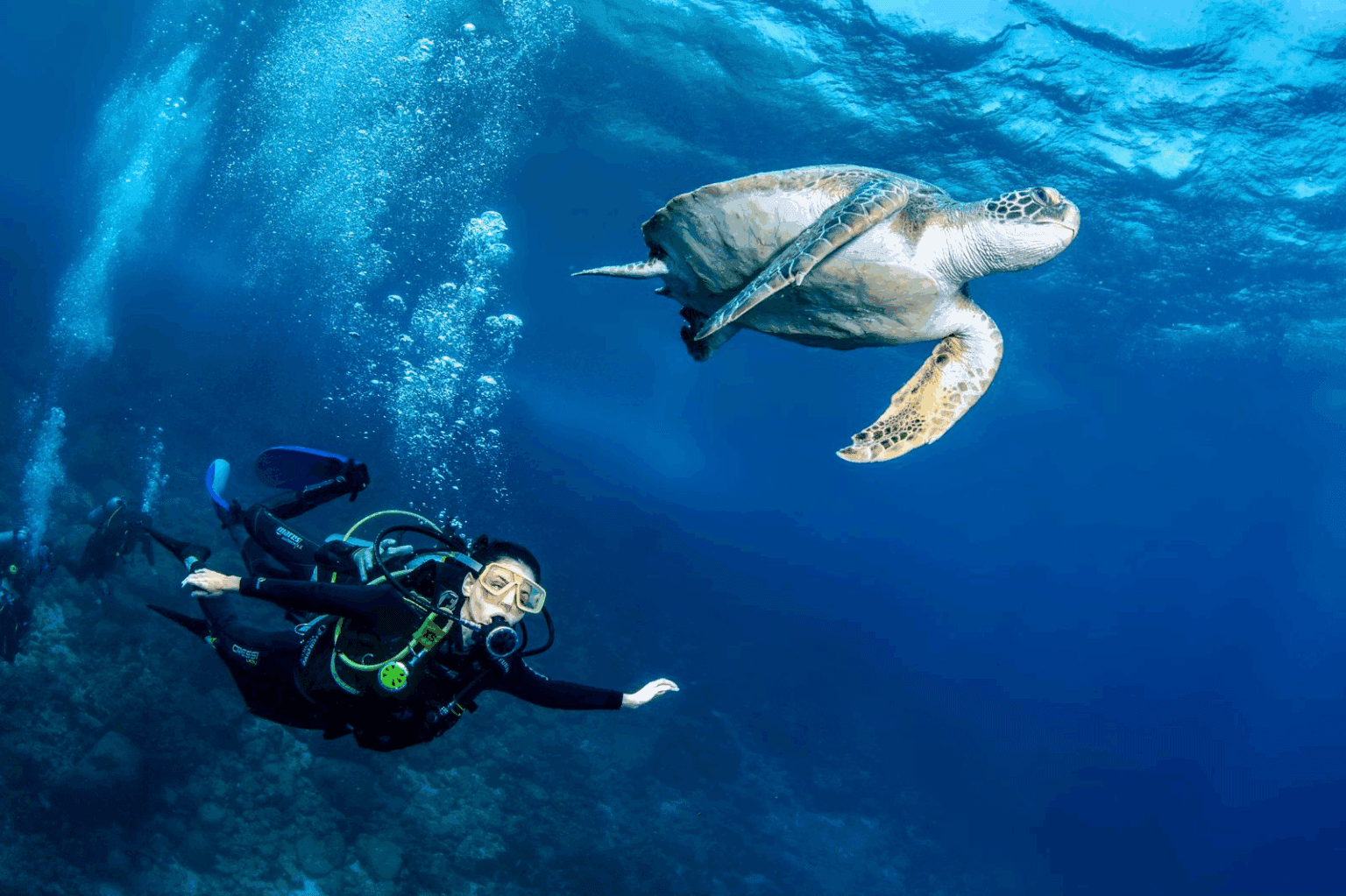
Brazil's dive destinations map out a surprisingly varied country: over 7,000 kilometers of coastline, an oceanic archipelago with some of the clearest water in the Atlantic, and even transparent freshwater rivers inland. Anyone who thinks great diving only happens outside Brazil has probably never heard of Fernando de Noronha, Bonito, or Abrolhos.
Fernando de Noronha, an archipelago roughly 545 km off the coast of Pernambuco, is widely considered Brazil's most spectacular dive destination. The area is a UNESCO World Heritage site, and much of it sits within a marine park with a controlled number of daily visitors, which helps keep the water clean and marine life abundant. Visibility can exceed 30 to 40 meters on good days, and it's common to see sea turtles, harmless reef sharks, and, at Baía dos Golfinhos, large pods of spinner dolphins swimming freely.
Closer to Búzios, Arraial do Cabo is known for an upwelling phenomenon: cold, deep currents rise to the surface carrying nutrient-rich water, which boosts marine life and, on low-turbidity days, leaves the water strikingly clear — earning the town the nickname 'Brazil's Caribbean'. Much of its coastline lies within marine protected areas, helping preserve dive site quality over the years.
At Ilha Grande, on the Costa Verde near Angra dos Reis, the scenery shifts to granite rock formations surrounded by preserved Atlantic Forest, with generally warmer, calmer water than the Lakes Region and frequent sea turtle encounters at the more sheltered sites.
Bonito, inland in the state of Mato Grosso do Sul, is a category of its own: instead of the ocean, the highlight is freshwater rivers with a rare clarity, the result of natural filtering through limestone in the soil. The signature experience is a free-floating snorkel over schools of colorful fish, but the region also has scuba attractions in caves and sinkholes, like Abismo Anhumas, a natural shaft with an underground lake reached by a rappel descent of more than 70 meters.
On Bahia's southern coast lies Abrolhos, Brazil's first marine national park. The archipelago is famous for its 'chapeirões', mushroom-shaped coral formations unique to the Brazilian coast, and as a stopover for humpback whales during their breeding season, roughly between July and November, when they can often be spotted at the surface even without getting in the water.
With so much variety spread across the country, Búzios stands out for a different reason: accessibility. Just a few hours from Rio de Janeiro, with warm water for most of the year and daily dive trips, it's a destination that pairs easy access with a well-established diving scene — great for divers earning their first certification and for those who've already dived elsewhere in Brazil and want to get back in the water without a long trip.
In practice, these destinations don't compete with each other — they complement one another. Each has its own water, marine life, and logistics, and getting to know more than one over the years is part of what makes diving in Brazil an ongoing discovery.
You might also like
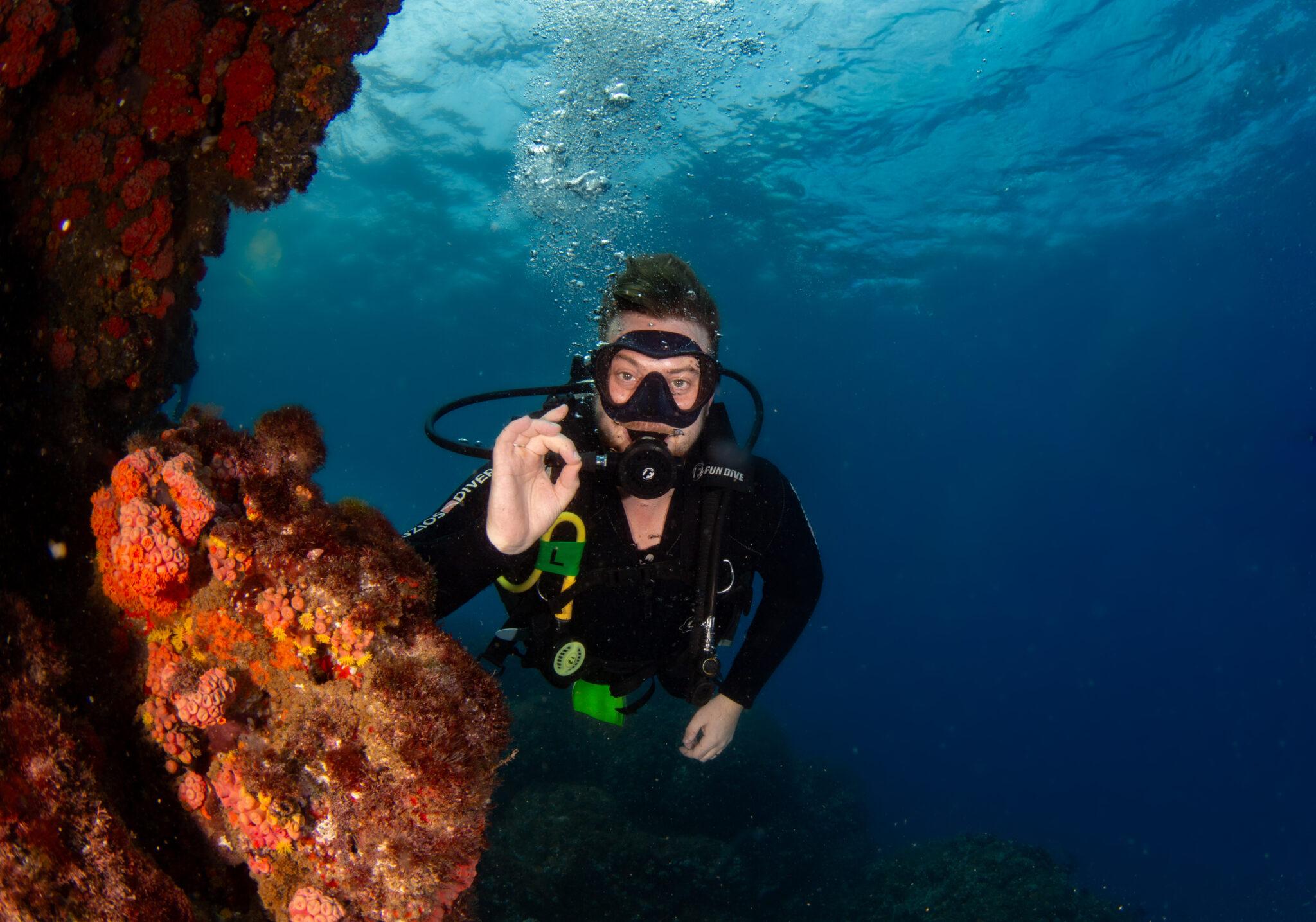
The best dive sites in Rio de Janeiro state
Beyond Búzios, the coast of Rio de Janeiro state offers dive sites like Arraial do Cabo, Cabo Frio, and Ilha Grande — each with its own water, scenery, and diving style.
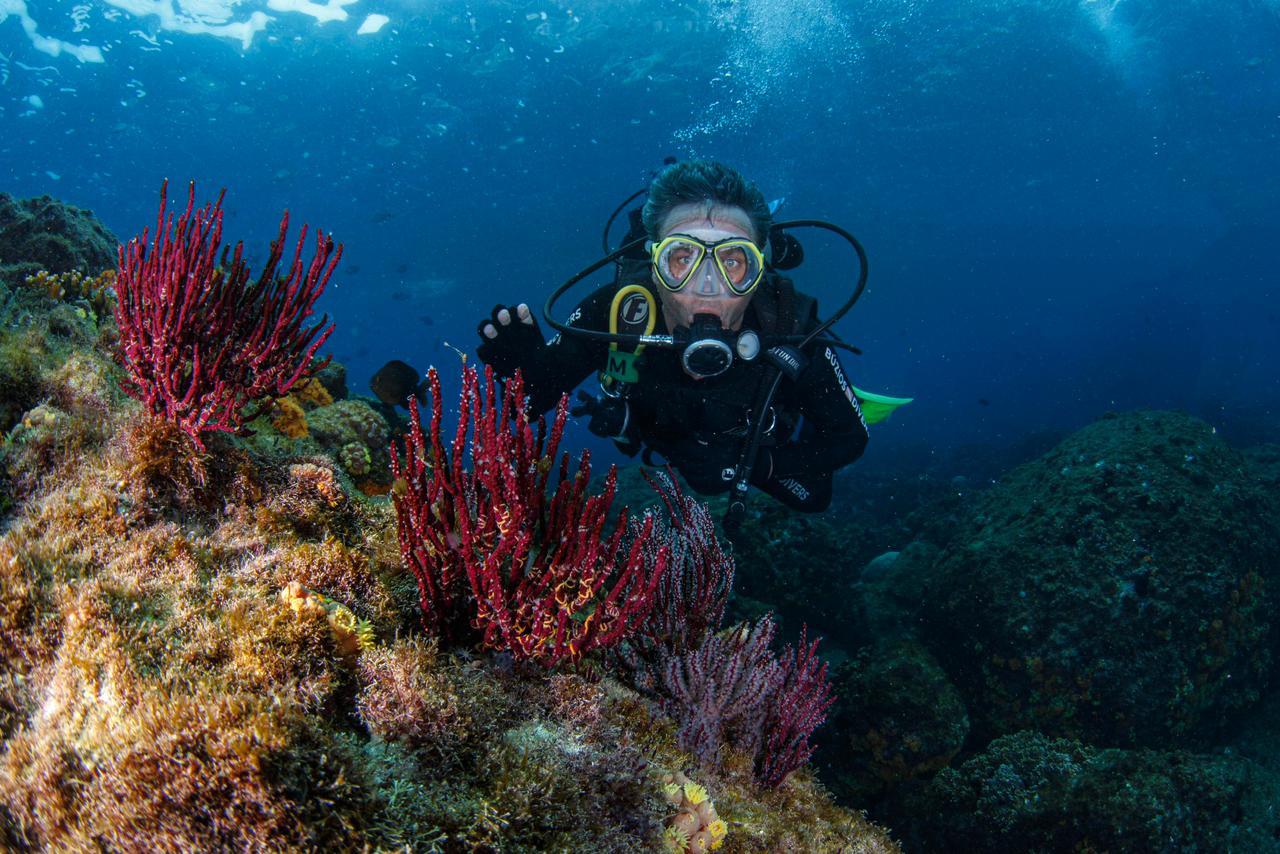
The best scuba diving destinations in South America
From the Galápagos to Malpelo, by way of Coiba and the Brazilian coast: an overview of South America's most legendary dive destinations.
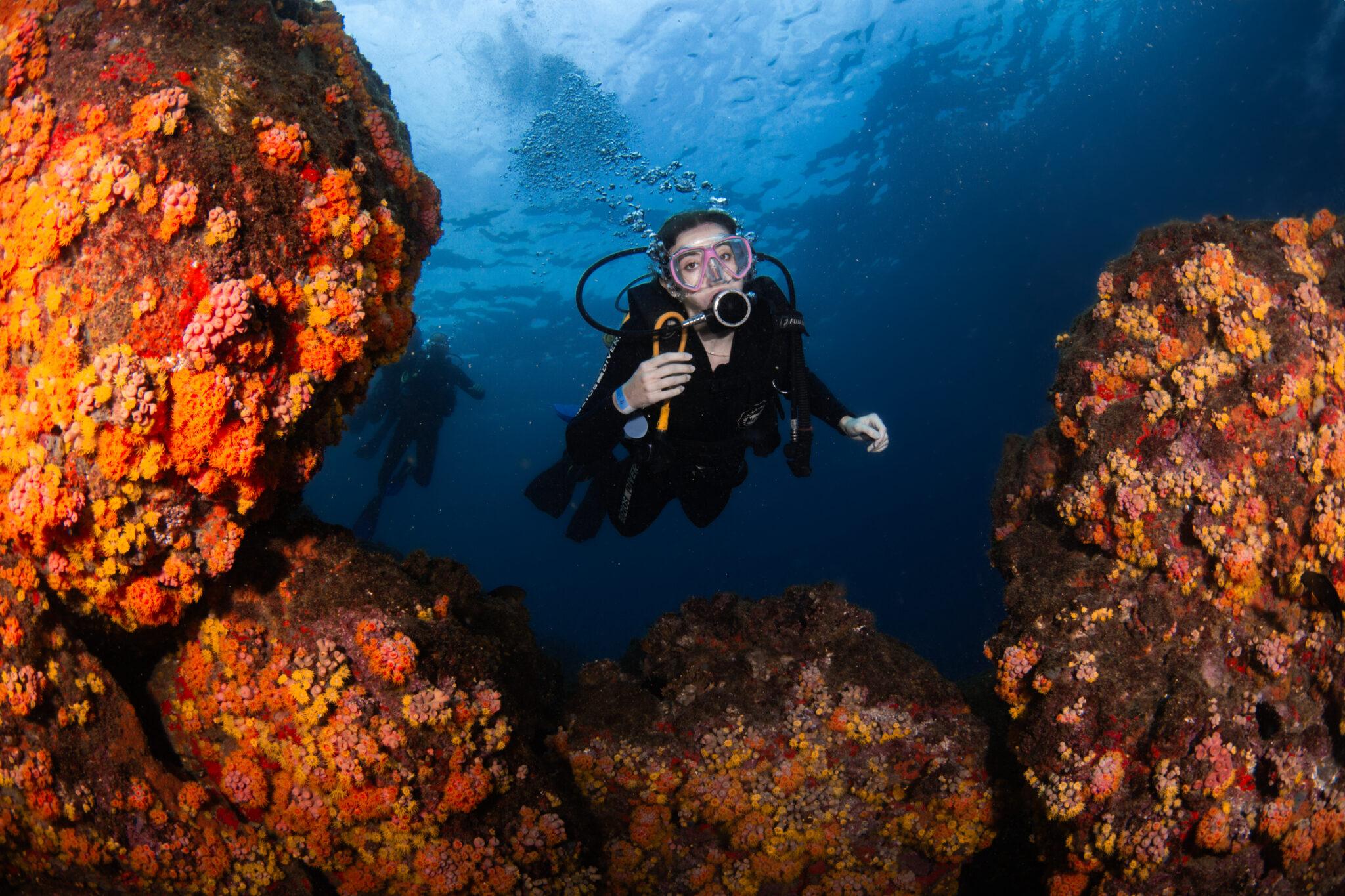
Why is Búzios a great diving destination?
Proximity, beach diversity, and an established diving community: the practical reasons behind Búzios' reputation among Brazilian divers.