
What is nitrox?
Understand what nitrox (enriched air) is, how it differs from regular air, and why it requires specific certification and care.
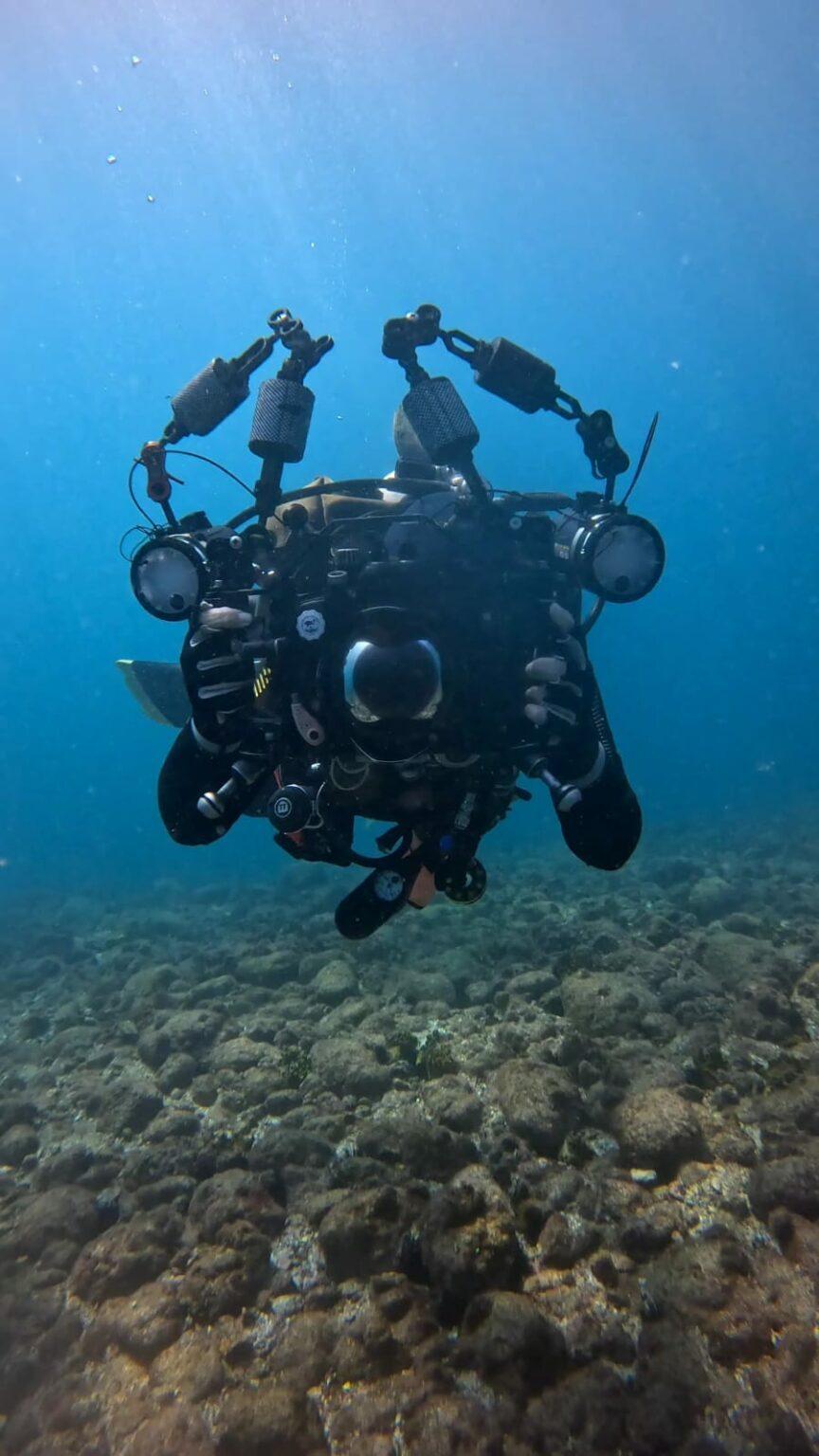
Nitrox, or Enriched Air Nitrox (EANx), is a breathing gas mix of oxygen and nitrogen with a higher oxygen percentage than regular air. While the air we breathe at the surface is about 21% oxygen, the most common nitrox blends used in recreational diving are EANx32 and EANx36, with 32% and 36% oxygen respectively — and, as a result, less nitrogen.
That difference might sound small, but it has a direct effect on dive physiology. It's the nitrogen the body absorbs under pressure that limits how long you can stay at a given depth without decompression risk. Since nitrox contains less nitrogen, the body absorbs less of it during the dive, which in practice translates into longer no-decompression limits at the same depth — and many divers report feeling less fatigued after diving nitrox.
There's a common misconception about nitrox, though: it doesn't let you dive deeper. Quite the opposite — because it has more oxygen in the mix, nitrox actually reduces your maximum operating depth (MOD) compared to diving on regular air, due to the risk of oxygen toxicity at higher partial pressures. In recreational practice, the safe limit is a partial pressure of oxygen (PO2) of 1.4 ATA, with 1.6 ATA as an absolute contingency limit that should never be exceeded.
That's why each nitrox blend has its own recommended maximum depth — the higher the oxygen percentage, the shallower the maximum allowed depth. EANx36, for example, has a shallower operating limit than EANx32.
To dive with nitrox, you need a specific specialty course — the PADI Enriched Air Diver course, in PADI's case — which is usually quick and mostly classroom-based. In it, divers learn to calculate depth and time limits for each blend, correctly set up their dive computer, and, crucially, personally analyze the oxygen percentage of their own tank before every dive.
That personal check, done with an oxygen analyzer, isn't optional — it's a mandatory safety step before any nitrox dive, even when the tank already comes labeled by the operator. It's that check, together with correctly setting the dive computer to match the analyzed blend, that keeps the decompression calculations and depth limits accurate throughout the dive.
In short, nitrox is a safety and comfort tool, not a shortcut to diving deeper. Used within its own limits — with the right certification, analysis, and planning — it can make a real difference to your day of diving, especially on days with multiple dives.
You might also like
Why dive with nitrox?
More bottom time, less fatigue, and a bigger safety margin: see who benefits most from nitrox and how to get certified.
What are the scuba diving certifications?
From a try-dive to the Instructor level: understand the PADI certification ladder and where you can start climbing it.

What is technical diving?
Diving beyond recreational limits: what defines technical diving, what gear it takes, and what the training path looks like.