
Health Conditions for Diving
Why the pre-dive health check exists: an overview of the main conditions covered by PADI/RSTC standards, and the reasoning behind each one.
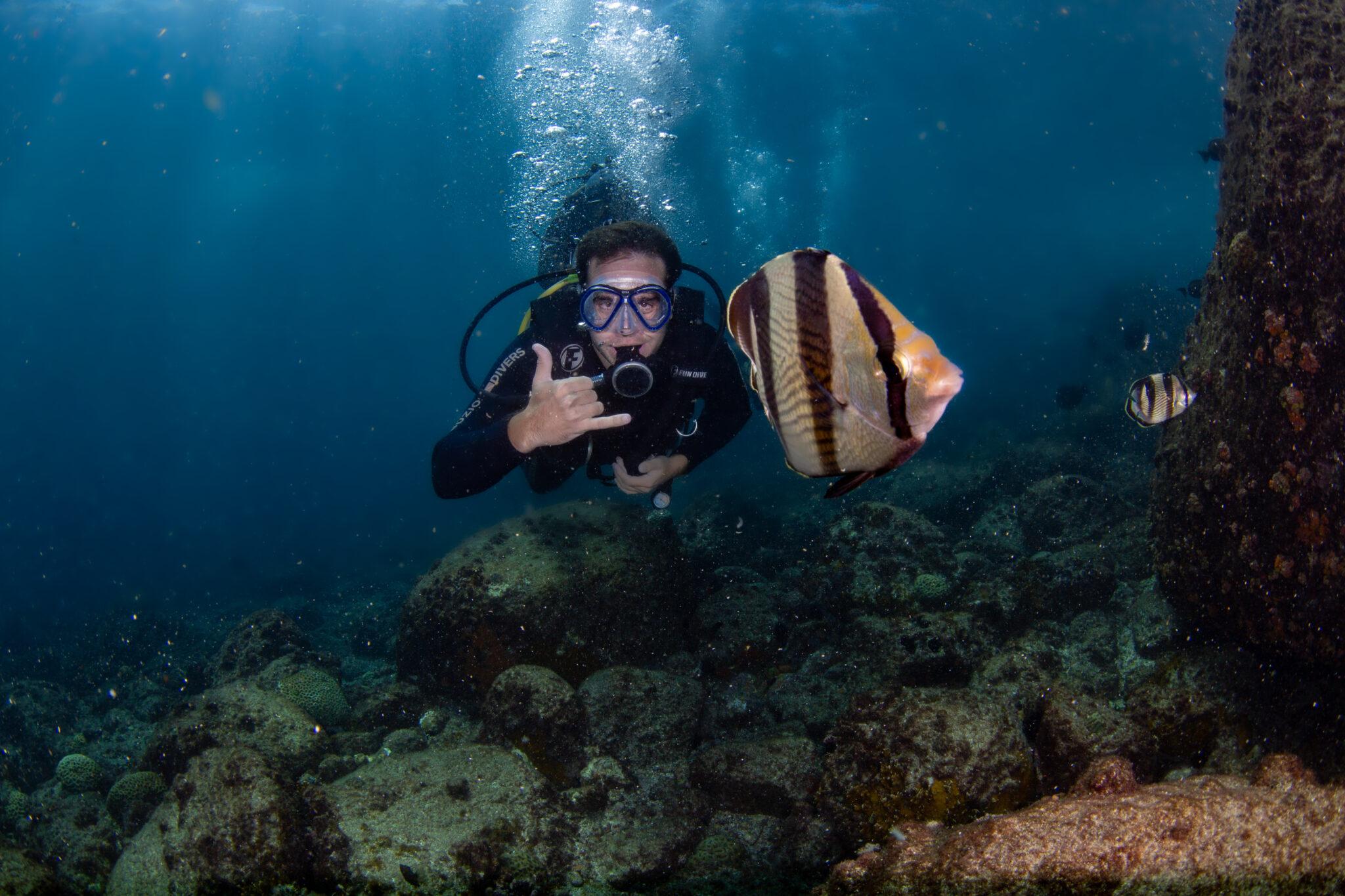
Before any dive — whether it's a Discover Scuba Diving experience or the first day of a course — there's a step that tends to go unnoticed amid the excitement of the moment: the diver's health assessment. It isn't bureaucracy — it's built on decades of understanding how the human body reacts to pressure, physical exertion, and the underwater environment. PADI, the world's largest diving certification agency, follows RSTC (Recreational Scuba Training Council) standards to define which health conditions deserve extra attention before a dive. This article isn't the official questionnaire and doesn't replace a medical evaluation — it's an overview of why these conditions matter.
Cardiovascular Health
Heart disease, uncontrolled high blood pressure, a history of heart surgery, or a pacemaker all fall into this category. The reason is simple: diving demands more from the heart than it might seem at first. Immersion in cold water redistributes blood flow, the physical effort of swimming against current adds to ambient pressure, and a heart condition that would be manageable on land can become a serious emergency underwater, where immediate help doesn't exist in the same way.
Respiratory Health
Asthma, a prior collapsed lung, and other lung diseases are among the most relevant respiratory concerns. Here the logic is even more direct: breathing compressed air means the lungs need to expand and contract freely as pressure changes during ascent and descent. Any condition that traps air inside the lung can cause a lung overexpansion injury during ascent — one of the most serious, though rare, accidents in recreational diving.
Ears and Sinuses
Equalizing pressure in the ears and sinuses is one of the first skills every diver learns — which is exactly why prior ear surgery, significant hearing loss, and recurring sinusitis are on the radar. When equalization doesn't work well, the result ranges from intense pain to barotrauma and, in more serious cases, vertigo underwater — one of the most disorienting situations a diver can face.
Diabetes
Blood sugar control is one area where the standards have evolved considerably in recent years. Today, most divers with well-managed diabetes can dive safely, following specific monitoring protocols before, during, and after the dive. The attention exists because episodes of hypoglycemia or hyperglycemia are harder to notice and treat while submerged.
Seizures and Loss of Consciousness
Epilepsy, seizures, and frequent fainting get special attention for a direct reason: any loss of consciousness underwater, even brief, compromises the ability to keep the regulator in place and control buoyancy — a scenario that can quickly turn into drowning. On land, fainting is rarely fatal; underwater, the risk changes altogether.
Pregnancy
Scuba diving isn't recommended during pregnancy. It isn't a risk condition in the same sense as the others — it's more a matter of precaution: there still isn't enough data on the effects of pressure and nitrogen bubble formation on fetal development, and agencies would rather not take the risk.
Emotional Health
Significant anxiety, panic, or claustrophobia are also part of the conversation — not because they automatically disqualify anyone, but because panic underwater is one of the factors that most contributes to diving accidents, often leading to uncontrolled ascents or a diver spitting out their regulator. Knowing this in advance lets the instructor support that diver more closely and at the right pace.
Worth reinforcing: this overview covers the most relevant areas, but it isn't exhaustive, and having one of these conditions, in most cases, doesn't mean you can't dive — it just means a doctor's clearance is an extra step before the activity. The official questionnaire, based on RSTC/PADI standards, is more detailed, and any doubt about your specific case should be cleared up with a doctor. At Búzios Divers, we follow these standards across all our courses and dives, and our team is always available to help clarify anything you need before you get in the water.
You might also like
What you need to know before your first dive
Common questions from first-timers — health, fear, ears, glasses, and what actually matters before getting in the water.
How does a scuba dive actually work?
From the first briefing on the sand to the return to the boat: understand the step-by-step of a recreational dive, no mystery involved.