
What to pack for a scuba diving trip
A practical packing checklist for a scuba diving trip: from your certification card to reef-safe sunscreen, item by item.
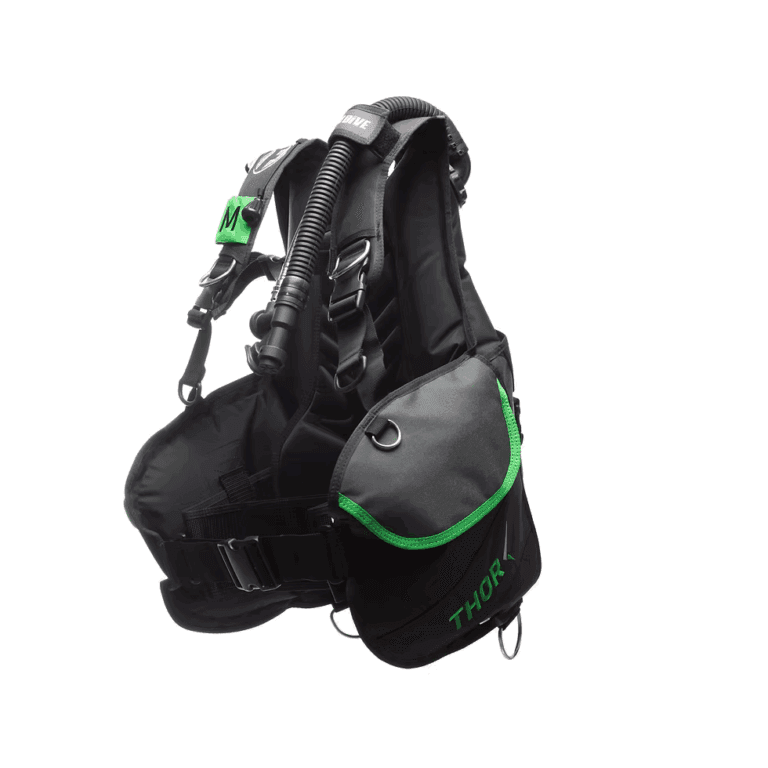
Once you've picked a destination and booked a dive center, it's time to pack — and the packing list for a scuba diving trip looks a bit different from a regular vacation list. Some items are non-negotiable, others are optional but add comfort, and the good news is that almost none of it takes up much weight or space.
The first item, without exception, is proof of your certification. That can be the physical card (the C-card) or the digital version, like the certification card available in the PADI app — which most dive centers now accept precisely to avoid the risk of a forgotten or lost physical card. Along with that, bring your logbook too, whether physical or digital, especially if you're doing a specialty course or advancing a level during the trip.
Personal gear is the second block. Your own mask and fins, if you already own them, are worth packing: besides fitting more comfortably than rental gear, you already know how they behave in the water. That doesn't mean owning gear is mandatory — most dive centers rent everything you need — but regular divers tend to prefer at least their own mask.
For sun and skin protection, always choose reef-safe sunscreen, formulated without oxybenzone and octinoxate — chemicals linked to coral bleaching at high concentrations. A rash guard also helps protect against sun exposure and small scrapes from contact with rock or coral, plus adds a bit of extra thermal comfort in cooler water.
Don't forget the basics of any beach trip: swimwear, a quick-dry towel, and a waterproof bag or dry bag to protect your phone, wallet, and other electronics during boat trips. A small first-aid kit with band-aids, insect repellent, and motion sickness medication — if you're prone to seasickness — rounds out the health essentials.
Documents deserve their own folder, physical or digital: ID or passport, proof of travel insurance with diving coverage, and, if applicable, medical clearance to dive. Keeping digital copies of these documents, saved on your phone or in the cloud, is an extra layer of security in case anything gets lost.
One last simple tip: pack an organized bag, but leave some extra room. Plenty of divers come home from a trip with at least one new item — a pair of fins that became a favorite, or a souvenir from the destination — so it's worth leaving that little bit of space.
With this list ready, you're mostly set: certification, personal gear if you own any, proper sun protection, a dry bag, a basic first-aid kit, and organized documents. The rest — tank, BCD, regulator — your dive center has covered.
You might also like
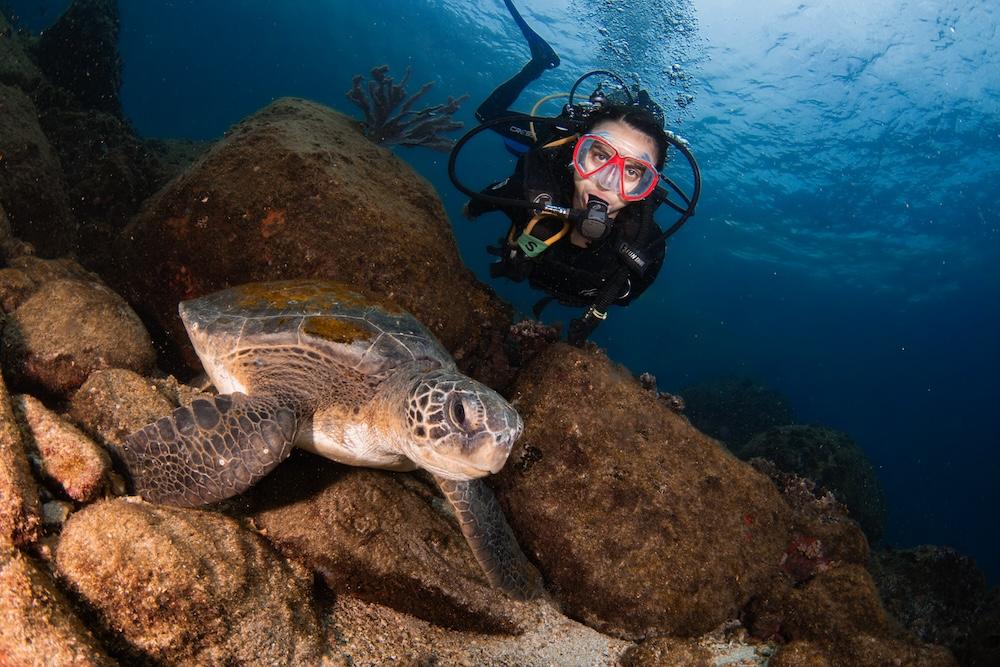
How to plan your first scuba diving trip
Choosing a destination, checking the season, booking a trustworthy dive center, and a few more practical steps to organize your first trip built around diving.
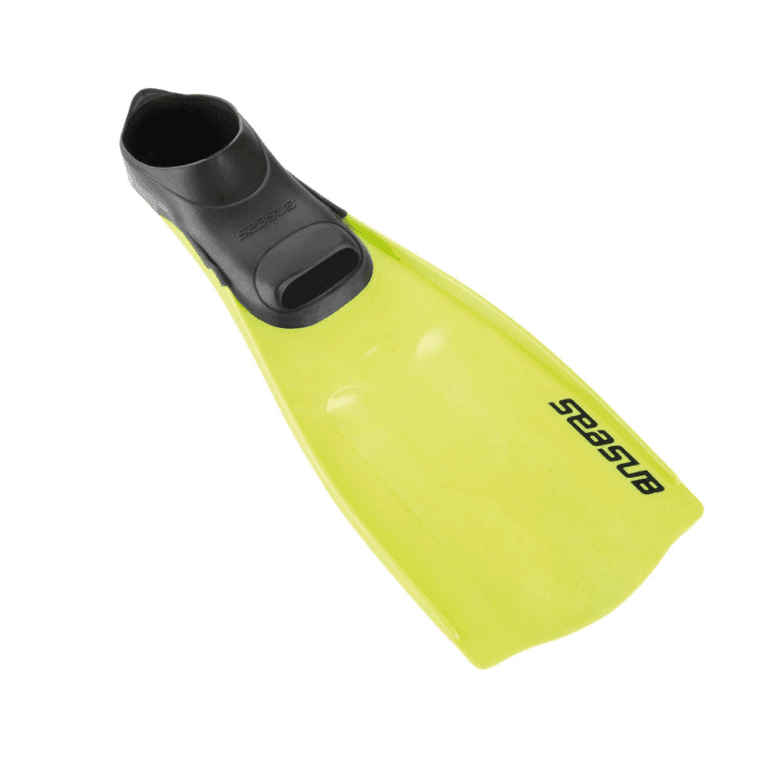
Why owning your own scuba diving gear is worth it
Buy or keep renting? See how fit, hygiene, familiarity, and buoyancy factor into the decision — and when renting is still the smarter call.
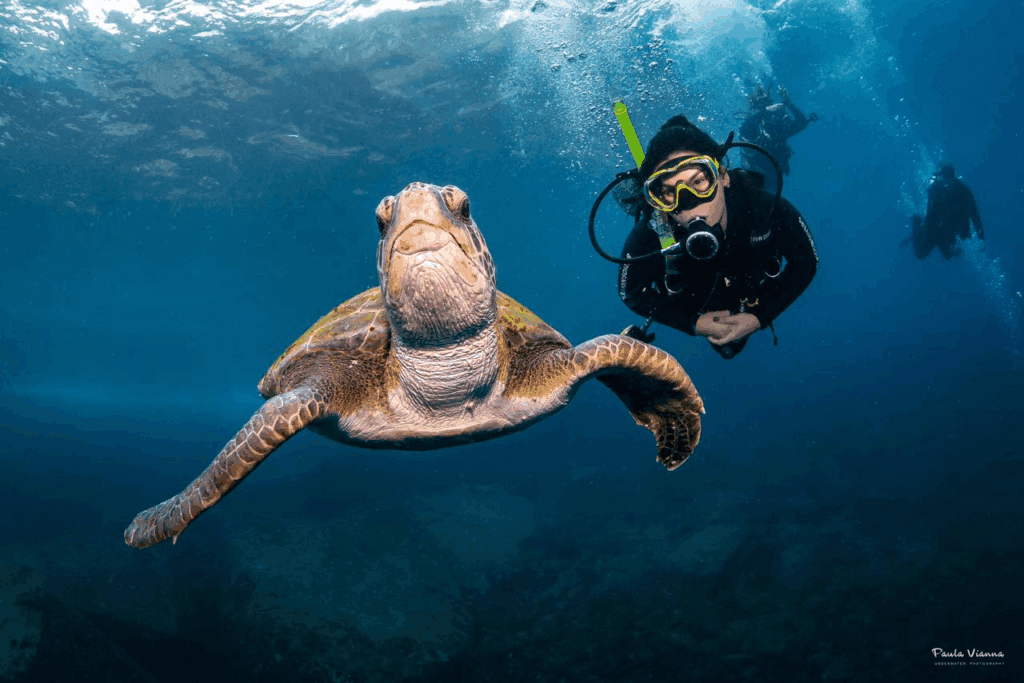
How to avoid seasickness on the boat
Simple, practical tips for arriving at the dive site feeling good, even if boats aren't your usual thing.