
The best scuba diving destinations in the world
A quick tour of the world's most legendary dive destinations: the Red Sea, Raja Ampat, the Great Barrier Reef, the Maldives, the Galápagos, and Palau.
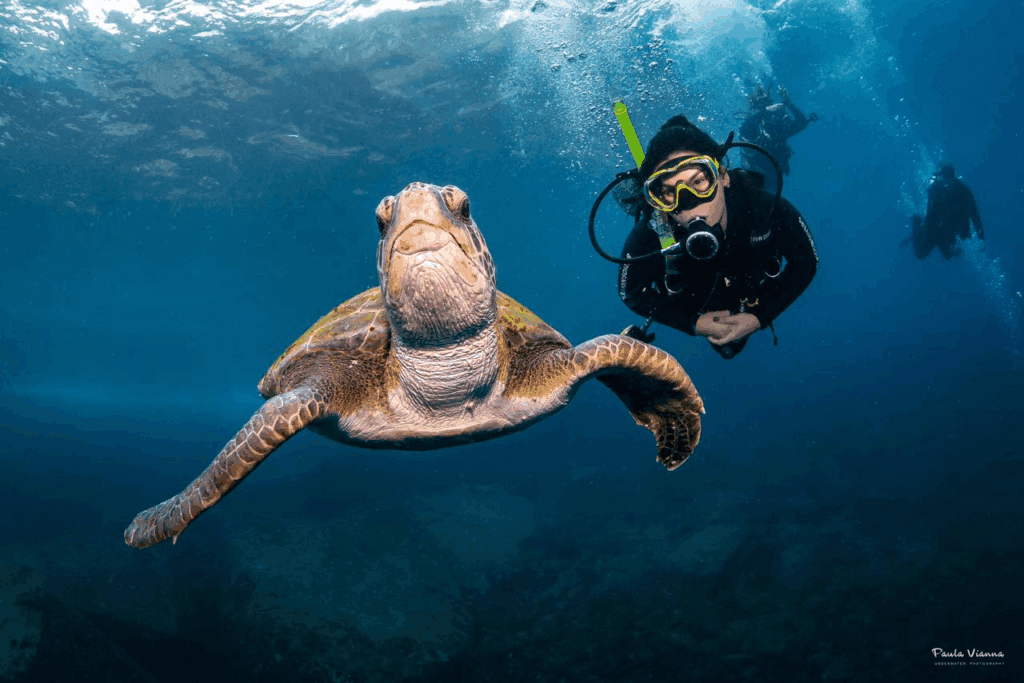
The world's dive destinations form a list that every passionate diver gradually gets to know, trip after trip. You don't need to visit all of them to have a rich diving life — Búzios alone delivers warm water and marine life year-round — but knowing the list helps plan future trips as experience grows.
The Red Sea, in Egypt, is one of the most traditional destinations in international diving. The combination of warm water, excellent visibility for most of the year, and well-preserved coral reefs — plus famous historic wrecks like the SS Thistlegorm — makes the region a destination for beginners at resorts as much as for advanced technical divers.
Raja Ampat, in Indonesia, is considered by the scientific community to have the highest marine biodiversity on the planet, sitting within the so-called 'Coral Triangle'. Hundreds of coral species and thousands of fish species pack a relatively small area, turning every dive there into a hands-on marine biology lesson. It's a remote destination, usually accessed by liveaboard.
The Great Barrier Reef, in Australia, is the world's largest coral reef system, visible even from space, stretching more than 2,300 km along Australia's northeast coast. Despite the conservation challenges it faces from ocean warming, it still holds one of the greatest concentrations of marine life on Earth and remains a must for any diver.
The Maldives, in the Indian Ocean, are known for coral atolls surrounded by crystal-clear water and for relatively predictable manta ray and whale shark encounters at certain sites and times of year, plus resorts built specifically around diving.
We've already mentioned the Galápagos in other posts about South America, but it earns a permanent spot on any global list: cold, nutrient-rich water, large hammerhead shark schools, and a biodiversity that helped shape Darwin's own theory of evolution.
Finally, Palau, in the Pacific, is famous for spectacular wall dives, the historic Jellyfish Lake — a lake where the jellyfish have lost their ability to sting due to a lack of predators — and for being one of the first countries in the world to declare its entire maritime economic zone a shark sanctuary.
Each of these destinations has its own logistics, ideal season, and recommended experience level. The good news is the journey to reach them starts the same way for everyone: with certification, dive hours, and confidence in the water — the kind of foundation that gets built at accessible destinations like Búzios.
You might also like
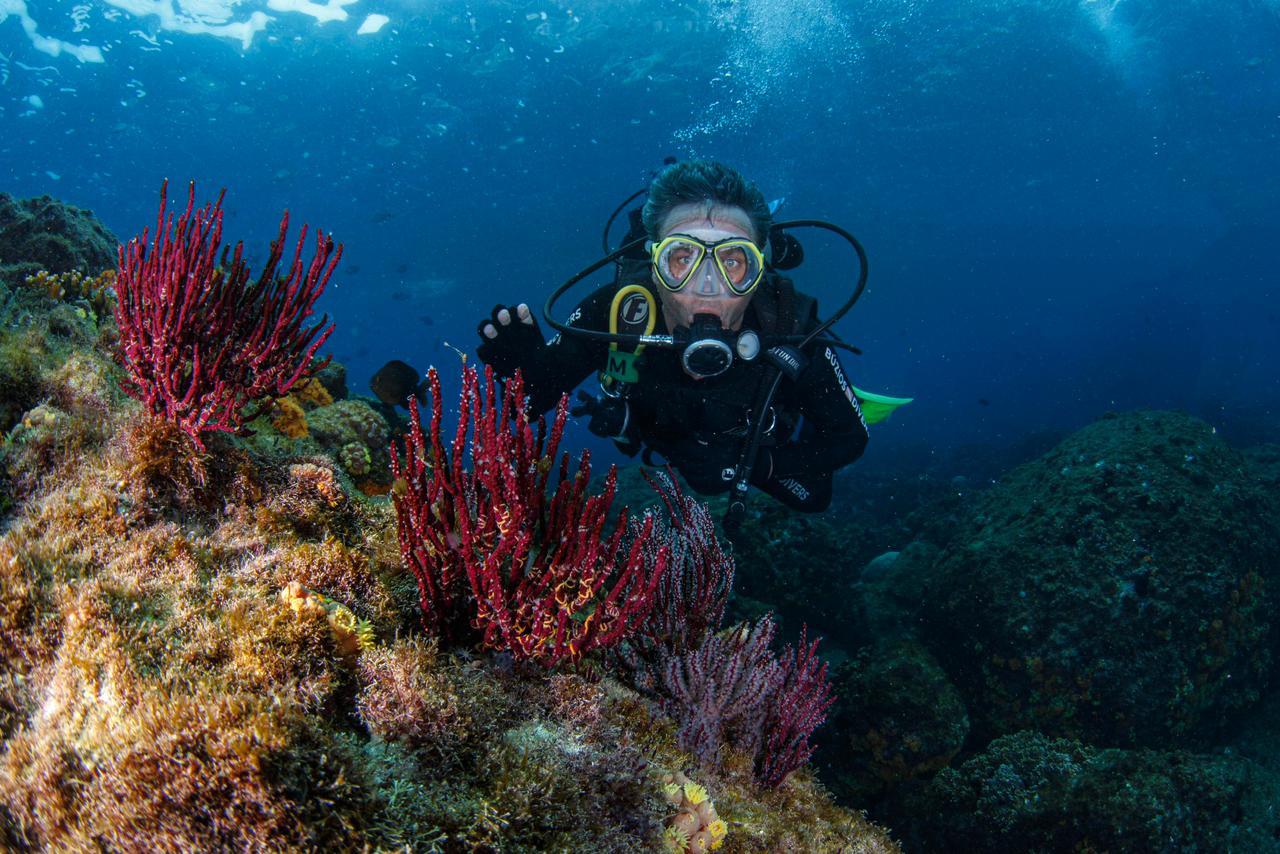
The best scuba diving destinations in South America
From the Galápagos to Malpelo, by way of Coiba and the Brazilian coast: an overview of South America's most legendary dive destinations.
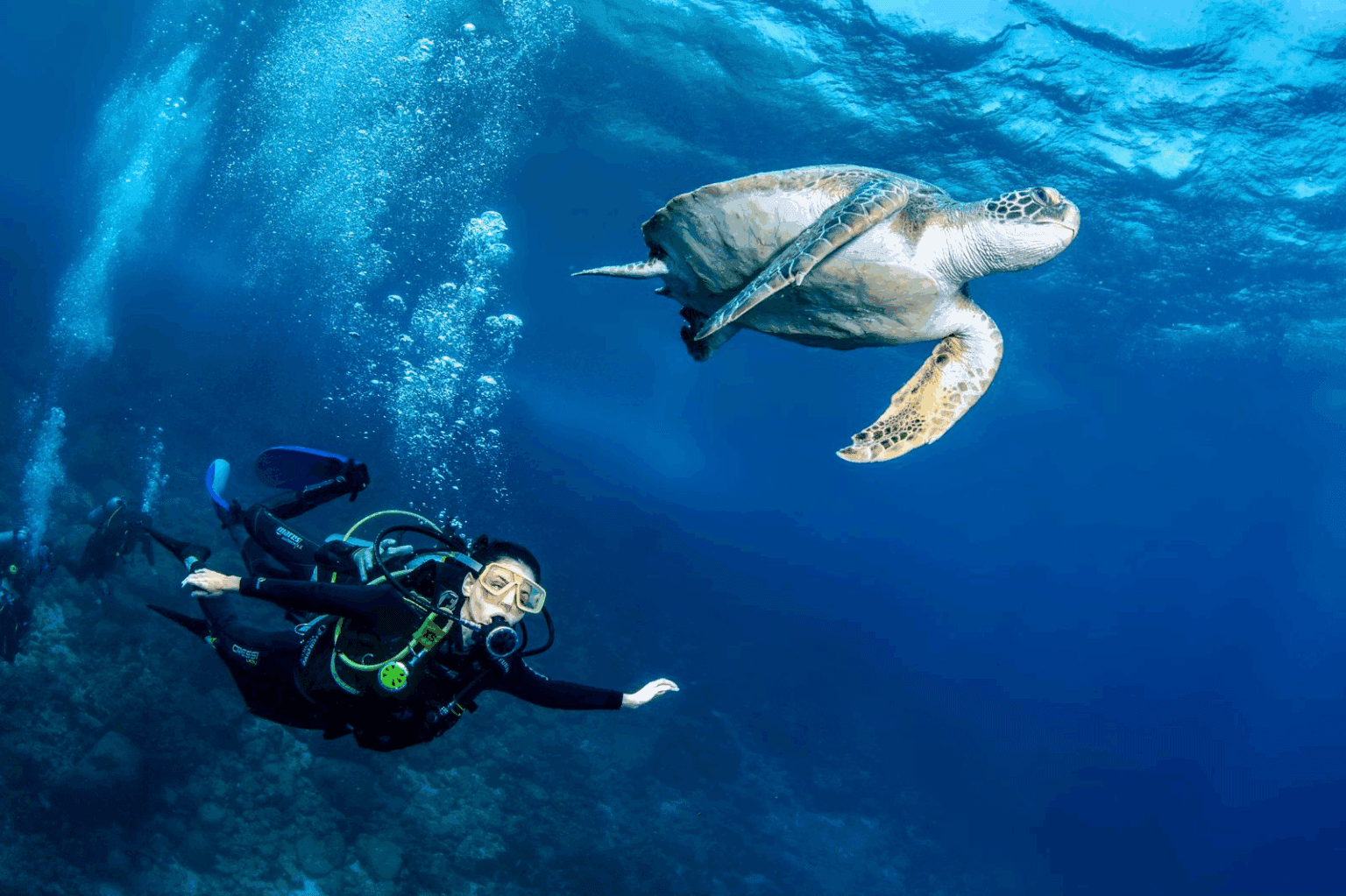
The best scuba diving destinations in Brazil
From Fernando de Noronha to Bonito, by way of Búzios, Arraial do Cabo, and Abrolhos: an overview of Brazil's best-known dive destinations and what makes each one special.
The world's major coral reef systems
From the Great Barrier Reef to the Coral Triangle: get to know the planet's largest reef systems and why protecting them matters to every diver.