
What was the Aqua-Lung, and how it changed diving
The first practical self-contained diving system in history, created in 1943 by Cousteau and Gagnan — and how it gave rise to modern recreational diving.
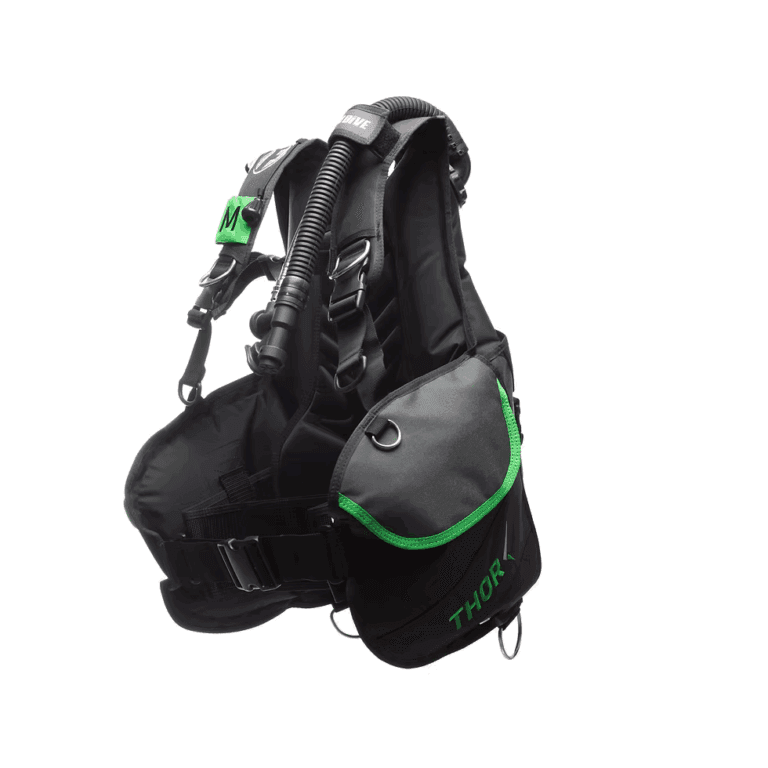
The Aqua-Lung was the first truly practical self-contained diving system in history — the piece of equipment that turned diving from an activity restricted to military and professional use into something accessible to anyone willing to learn. Created in 1943, in the middle of World War II, it's considered the starting point of modern recreational and scientific diving.
The Aqua-Lung was born from the partnership between French naval officer Jacques Cousteau and engineer Émile Gagnan, who worked for the company Air Liquide. Together, they solved a problem that had limited diving for centuries: how to supply compressed air to a diver automatically, without relying on hoses connected to the surface or heavy helmets.
In practice, the Aqua-Lung consisted of one or more compressed air tanks connected to a demand regulator — the mechanism that released air only when the diver inhaled, and cut it off on the exhale. That simple design made the equipment light, efficient, and above all safe, since it automatically adjusted the air pressure delivered to the diver's depth.
Before the Aqua-Lung, diving meant being tethered to a heavy suit, a metal helmet, and a hose that limited both range and mobility. With tanks on their back and no connection to the surface, a diver could finally swim freely, exploring reefs, shipwrecks, and caves with a freedom that simply hadn't existed before.
The invention was patented under the name CG45 and, starting in 1946, began being manufactured commercially in France. It reached the United States a few years later through U.S. Divers, a company founded to distribute the equipment in the American market, and quickly spread around the world — kicking off the recreational diving industry as we know it today, with schools, certification agencies, and dive tour operators.
Beyond democratizing recreational diving, the Aqua-Lung opened doors for marine science, giving researchers a level of access and freedom underwater that hadn't existed before. It also fueled underwater cinema and photography, popularized by Cousteau himself through films and documentaries that introduced the underwater world to a global audience.
The modern regulators used today in recreational courses and dives — including the ones used at Búzios Divers — are direct descendants of that mechanism created more than eighty years ago. The basic principle remains the same: deliver air to the diver exactly when they need it, no sooner, no later.
You might also like
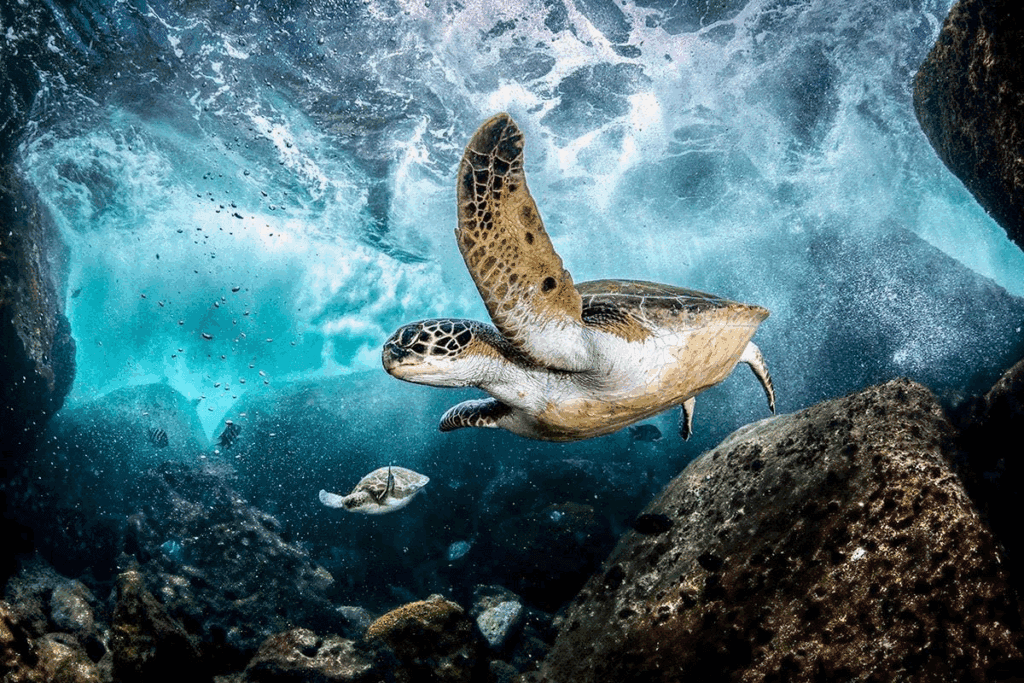
Jacques Cousteau: the pioneer of scuba diving
How a French naval officer with a passion for the ocean helped invent the Aqua-Lung and forever changed the way the world dives and sees the seas.
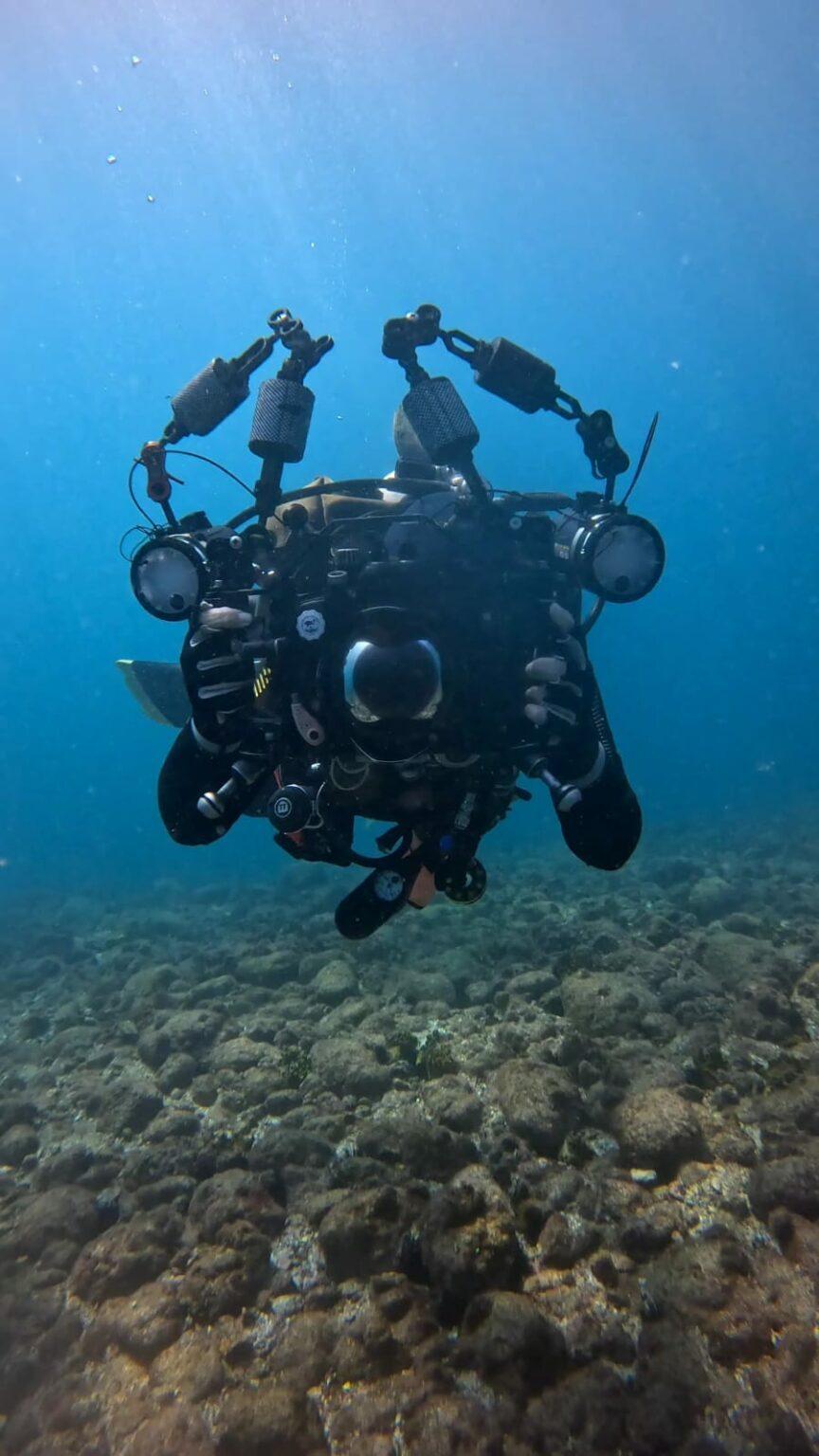
Émile Gagnan: the genius behind the dive regulator
The French engineer behind the demand valve that made the Aqua-Lung possible — an invention still at the heart of every dive regulator used today.
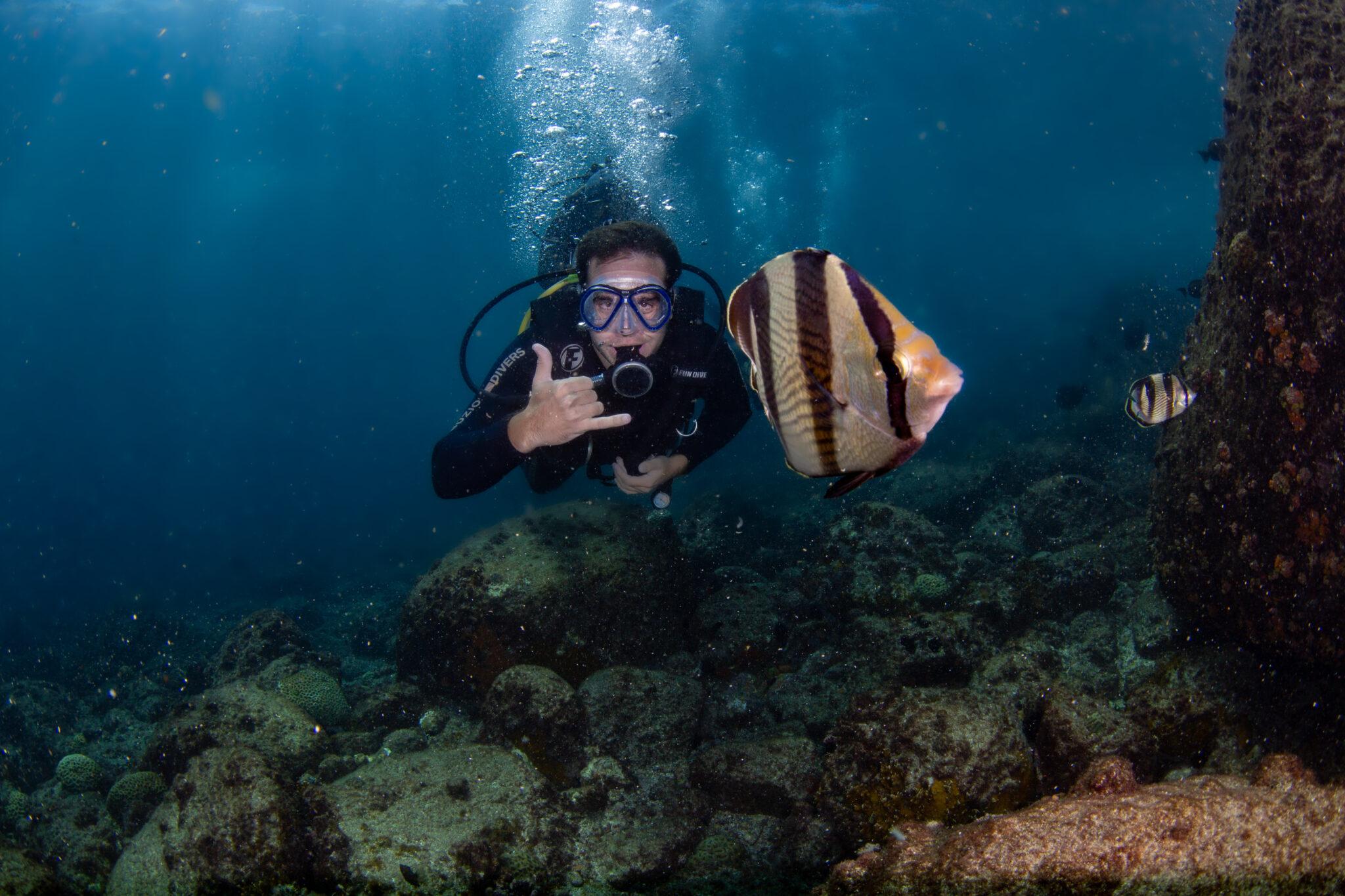
How a scuba diving regulator works
From tank to mouthpiece: understand the two-stage mechanism that turns compressed air into natural breathing underwater.