
Why dive with nitrox?
More bottom time, less fatigue, and a bigger safety margin: see who benefits most from nitrox and how to get certified.
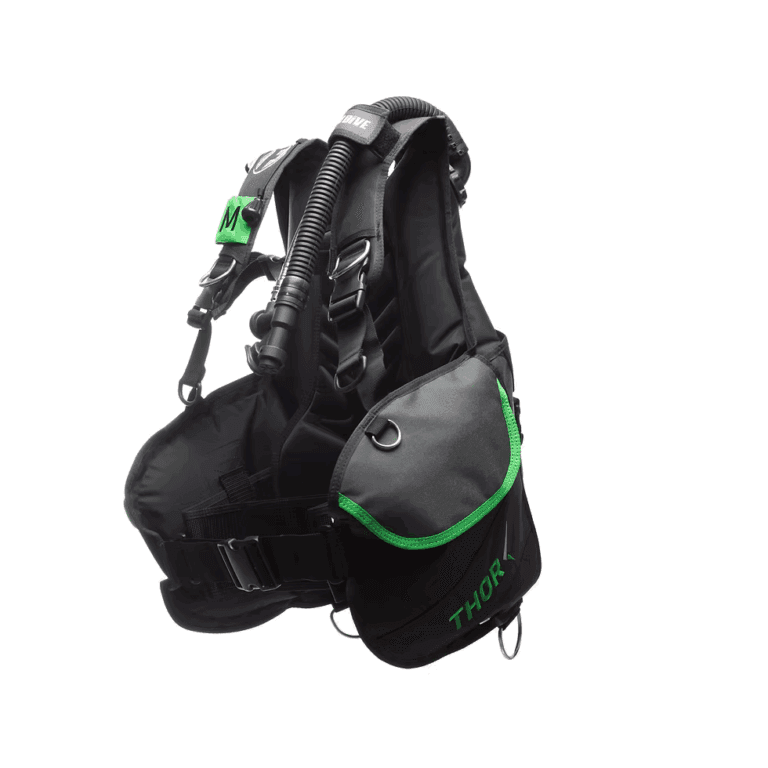
Once you understand what nitrox is, the natural next question is: is it worth diving with it? For a lot of certified divers, the answer is yes — especially for anyone doing repetitive dives over the course of a day, or multiple dives across several days, like on a typical dive trip.
The main benefit of nitrox is bottom time. Since the blend has less nitrogen than regular air, the body absorbs less of it during the dive, which extends the no-decompression limits at the same depth. In practice, that means more minutes enjoying the reef or watching marine life before you have to end the dive.
Another benefit frequently reported by regular nitrox divers is feeling less fatigued afterward — something especially noticeable on days with two or three dives back to back, when residual nitrogen tends to add up. That doesn't mean eliminating decompression risk, but it does mean gaining an extra safety margin within the same depth and time limits.
In practice, the divers who benefit most from nitrox are the ones who already dive fairly often: people doing multiple dives in the same day, people traveling specifically to dive for several days in a row, or simply anyone who wants to get more out of every dive within recreational limits, without having to surface as soon as their computer nears the no-decompression limit.
To dive with nitrox, you need the Enriched Air specialty — PADI calls it the Enriched Air Diver course — a quick, mostly classroom-based course that, in many formats, doesn't require extra practice dives. A practical upside is that, in many cases, this specialty can be combined with the Open Water Diver course itself, so a diver can get certified with nitrox skills built in from the start.
It's worth remembering that diving with nitrox comes with a few practical habits that don't exist when diving on regular air: you need to personally analyze the oxygen percentage of your tank before every dive, confirm it's correctly labeled, and set your dive computer to match the analyzed blend. Dive planning also shifts slightly, since each blend has its own maximum operating depth.
At the end of the day, nitrox isn't required to enjoy diving — plenty of people dive their whole lives on regular air and have amazing experiences. But for anyone who dives often, especially on trips and multi-dive days, it's a specialty that usually pays off the time invested. If you're interested, talk to our team about adding this certification to your next course or your next dives in Búzios.
You might also like
What is nitrox?
Understand what nitrox (enriched air) is, how it differs from regular air, and why it requires specific certification and care.
What are the scuba diving certifications?
From a try-dive to the Instructor level: understand the PADI certification ladder and where you can start climbing it.
6 tips to improve your air consumption while diving
Buoyancy, breathing, body position, and relaxation: see what actually makes a difference in stretching your tank and extending your bottom time.