
How to plan your first scuba diving trip
Choosing a destination, checking the season, booking a trustworthy dive center, and a few more practical steps to organize your first trip built around diving.
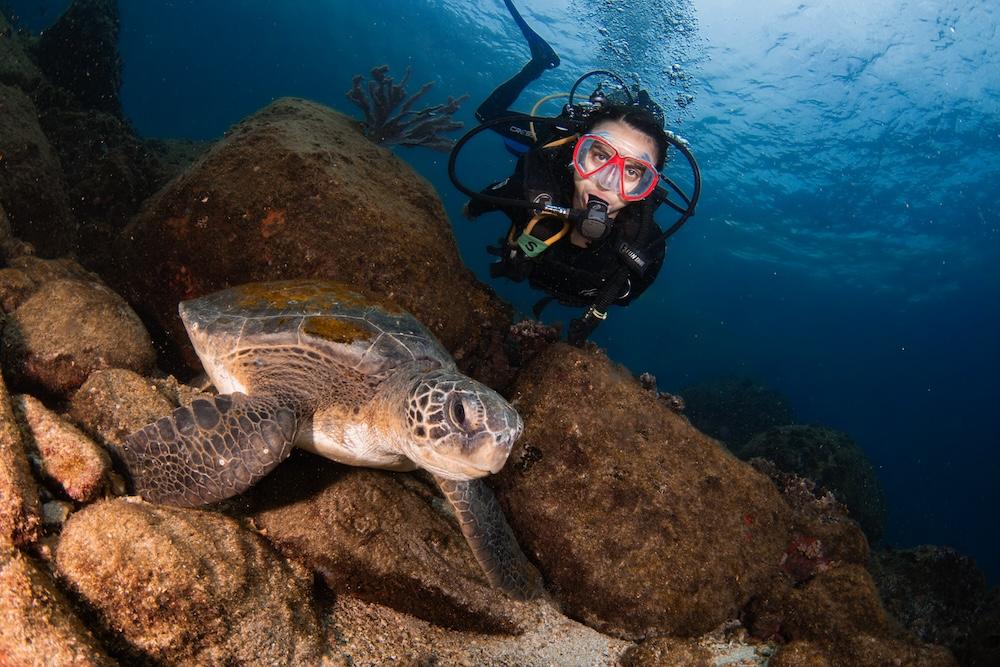
Planning your first scuba diving trip is different from planning a regular vacation: beyond flights and lodging, you also need to factor in your certification level, water conditions, and the reliability of the dive center that will guide you. With a bit of organization, you can avoid the most common surprises first-timers run into.
The first step is being realistic about your certification level and experience. A newly certified Open Water diver with just a handful of logged dives has far more to enjoy at destinations with calm water and generous visibility than at sites with strong current and depths that call for advanced certifications. Choosing a destination that matches your current experience — not the experience you wish you had — avoids frustration and, more importantly, keeps the dive safe.
Next comes the season. Practically every dive destination has a window of months with better visibility, warmer water, or less chance of rain and strong wind, and another, more challenging window. Researching this ahead of time — rather than just comparing flight prices — usually makes the difference between a trip full of good underwater memories and one of murky water and plans canceled by bad weather.
Booking a trustworthy dive center in advance is another step worth not leaving to the last minute, especially in high season. It's worth checking whether the center is affiliated with a recognized certification agency (PADI, for example), has good recent reviews, and caters to your experience level and the courses or trips you want to do. A good dive center will also brief you on local conditions, required gear, and boarding logistics.
One often-overlooked item is travel insurance with specific diving coverage. Standard travel health plans don't always cover activities like scuba diving, and insurance built for divers usually includes coverage for a hyperbaric chamber in the event of a decompression accident — rare, but worth the peace of mind of being covered.
It's also worth planning your arrival logistics: whenever possible, arrive at the destination at least a day before your first dive. That gives you time to rest after a long trip, hydrate properly, and adjust to the time zone and local climate, which reduces the chance of seasickness, fatigue, or feeling off on your first day in the water.
Finally, set aside time to organize your paperwork: your certification card (physical or digital), logbook, and, if applicable, medical clearance if any health condition requires prior sign-off. Having all of this ready before the trip avoids last-minute scrambling and lets you spend your first days thinking about the water, not paperwork.
With a destination chosen, the season checked, a dive center booked, insurance in place, and paperwork organized, the rest of the trip tends to flow naturally. If your first dive trip is to Búzios, our team can help plan trips around your certification and current conditions — just reach out before booking.
You might also like
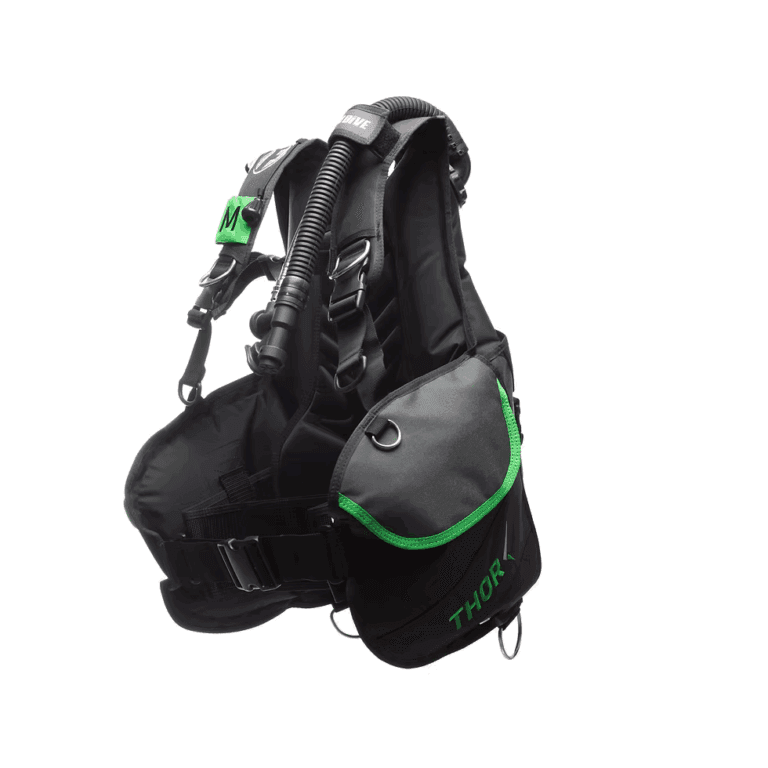
What to pack for a scuba diving trip
A practical packing checklist for a scuba diving trip: from your certification card to reef-safe sunscreen, item by item.
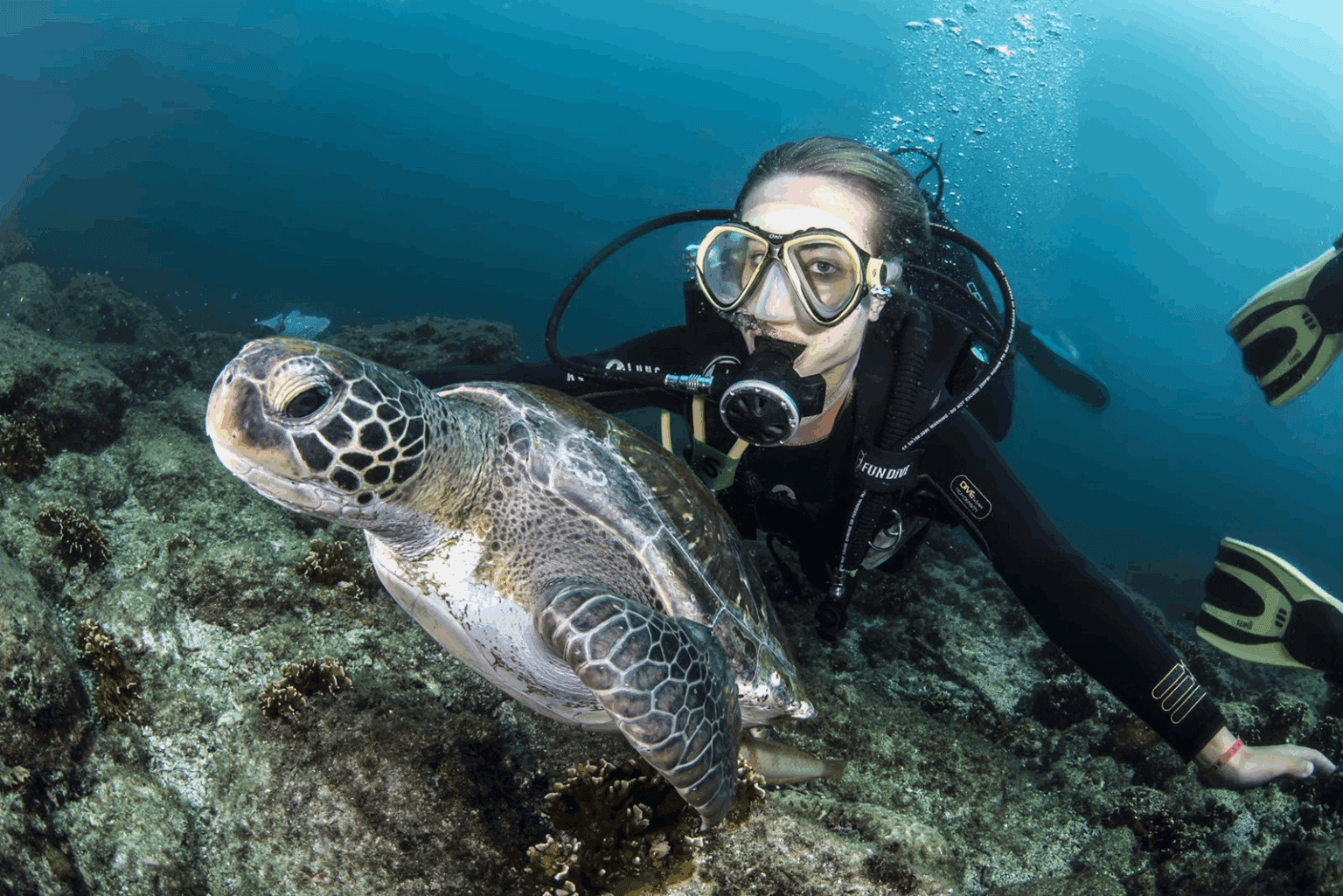
What you need to know before your first dive
Common questions from first-timers — health, fear, ears, glasses, and what actually matters before getting in the water.
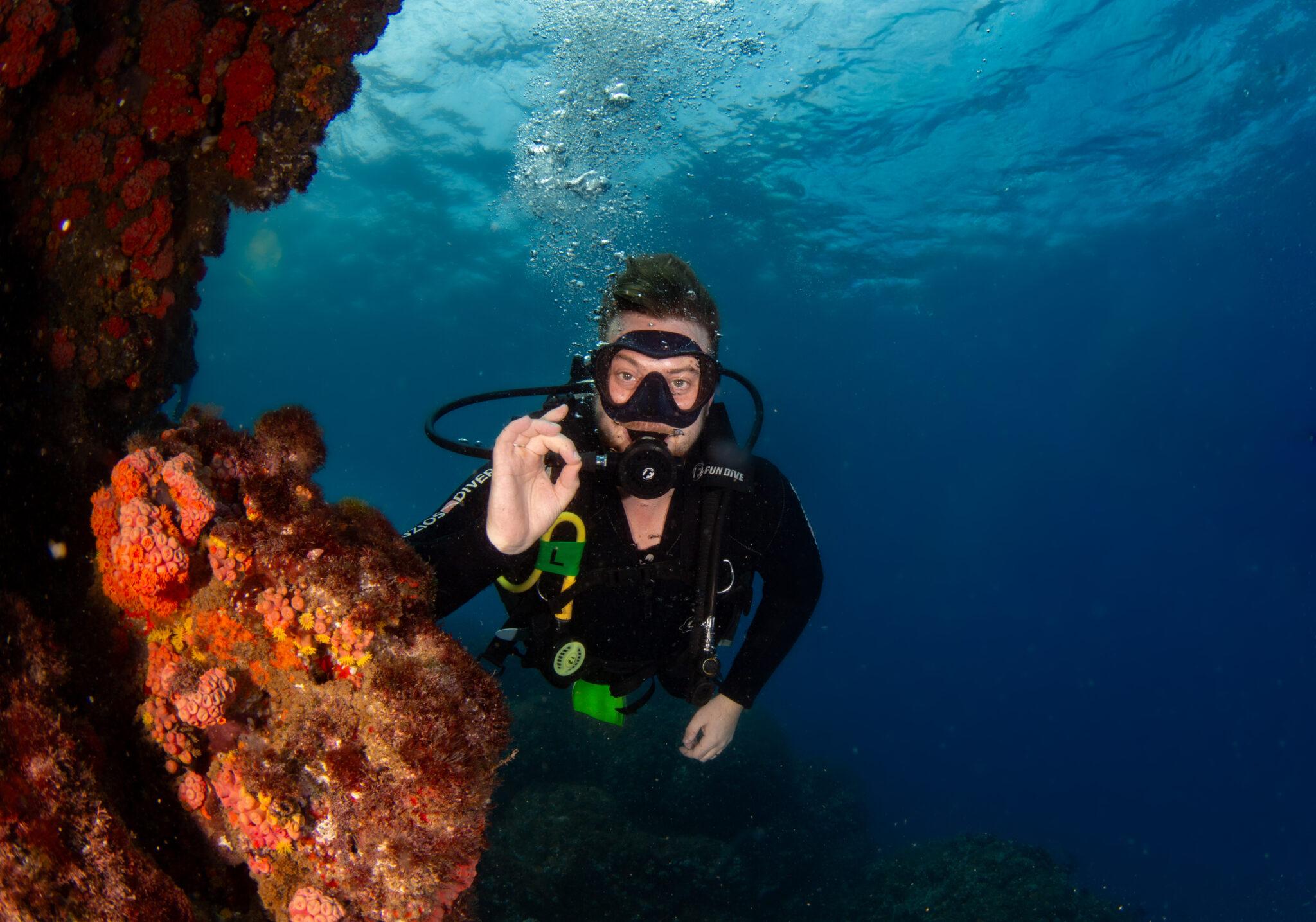
How to choose a dive center
Not every dive operator is the same. Here are the criteria that actually matter when choosing where to dive.