
Is scuba diving safe?
An honest answer to the question we hear most from first-timers: yes, within your training and the safety rules — and you can try it with zero commitment.
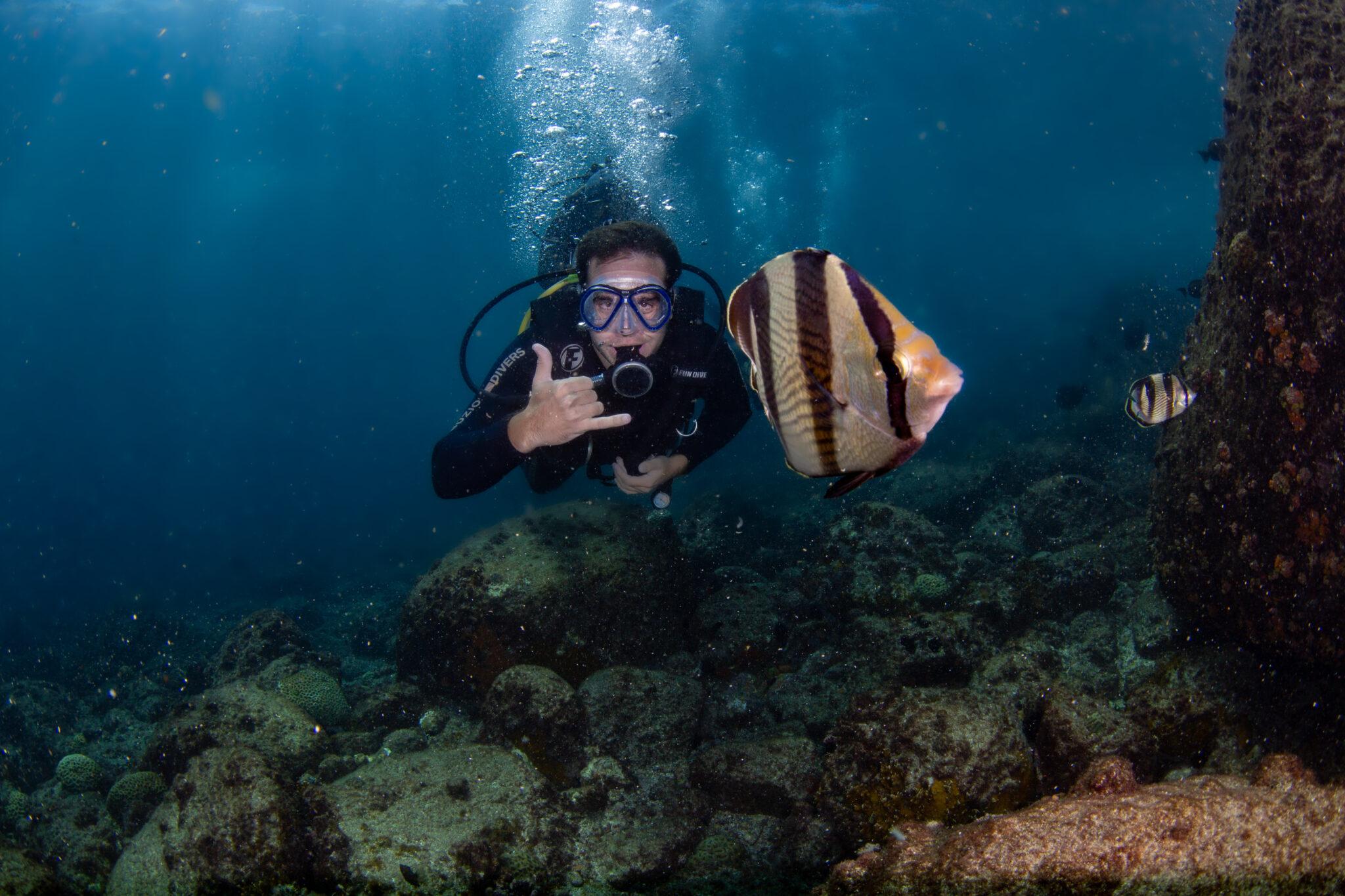
'Is scuba diving safe?' is probably the question we hear most from people considering trying it for the first time. The honest answer is yes — diving is a low-risk activity when practiced within the limits of your training, with a certified instructor or buddy, and by following the basic safety rules every certification course teaches.
We won't quote some '1-in-however-many' statistic here, because numbers like that tend to be imprecise or taken out of context when repeated without a source. What actually makes diving safe isn't luck — it's discipline: a small, well-established set of rules that, followed consistently, drastically reduce risk.
The first rule is simple and has no exceptions: never hold your breath while breathing from a tank. Breathe continuously, always. The second is to ascend slowly, at the recommended rate, without rushing — fast ascents are the most avoidable cause of pressure-related problems. The third is doing a safety stop, a few minutes at a shallow depth before surfacing, even on shallow dives.
The fourth rule is diving within your certification limits — depth, environment, conditions — without pushing beyond what you were actually trained to do. And the fifth is the pre-dive check, done with your buddy before every single entry into the water, to confirm all your gear is working the way it should.
None of these rules depend on luck or natural talent; they're taught, practiced, and repeated in every serious course, from a first hands-on session with the gear all the way through advanced certifications. It's this structured training — not the absence of risk itself — that lets people of nearly all ages and reasonable fitness levels dive safely around the world.
If you're still unsure whether you'd enjoy the experience or feel comfortable underwater, there's a way to find out with zero commitment: Discover Scuba Diving. In it, you dive with one-on-one, constant supervision from an instructor, who handles all the technical side while you focus on breathing and taking it in.
At the end of the day, safety in diving isn't about trusting luck — it's about trusting your training, your instructor, and the rules that exist precisely to keep the experience smooth from start to finish.
You might also like

Why the pre-dive safety check matters
Meet BWRAF, the buddy check PADI teaches before every dive — and why even experienced instructors never skip it.
Health Conditions for Diving
Why the pre-dive health check exists: an overview of the main conditions covered by PADI/RSTC standards, and the reasoning behind each one.
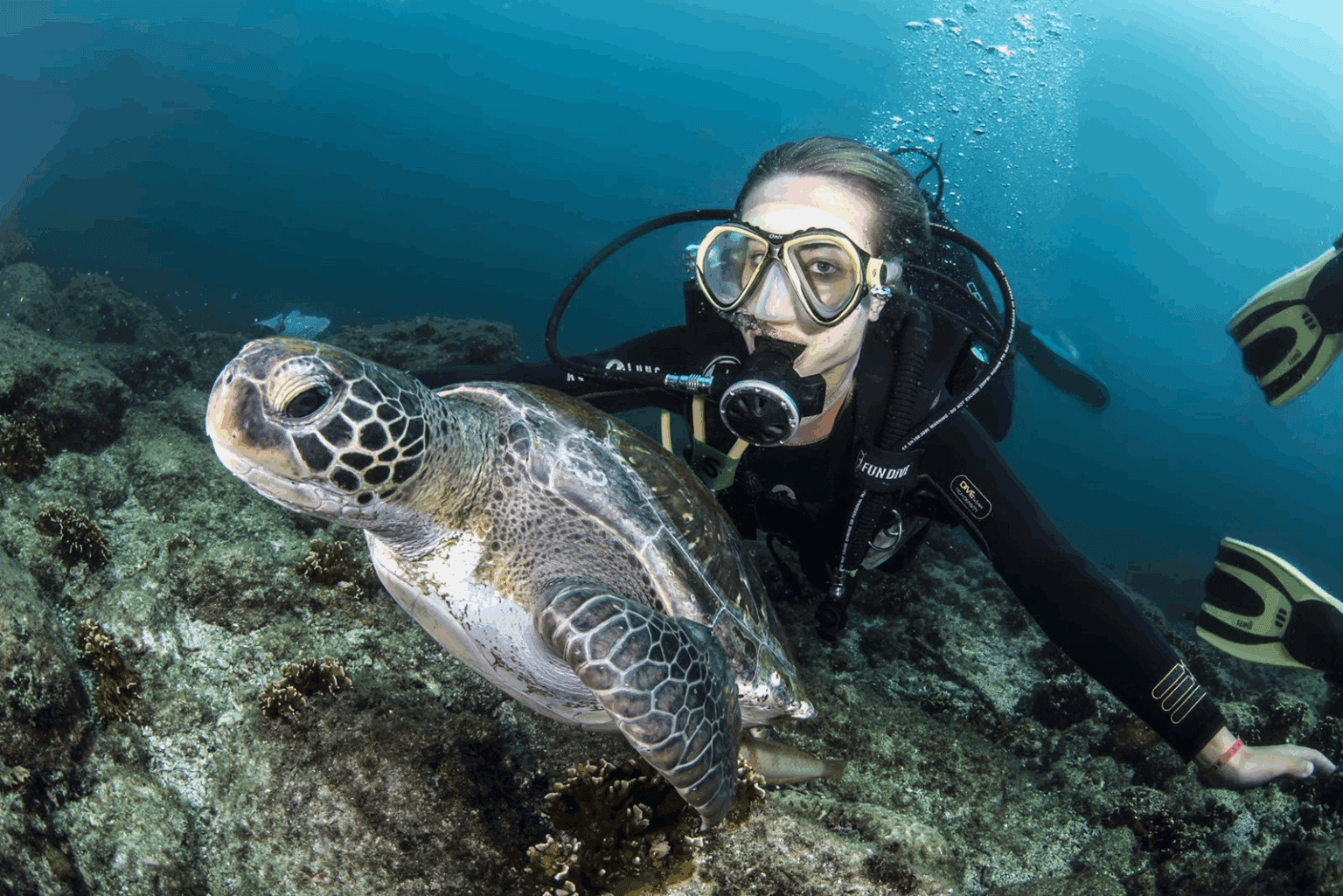
What you need to know before your first dive
Common questions from first-timers — health, fear, ears, glasses, and what actually matters before getting in the water.